
Flying Mexico City to London? Crossing 6–7 time zones east means jet lag typically lasts 5–7 days. Here's the science and a day-by-day recovery plan.
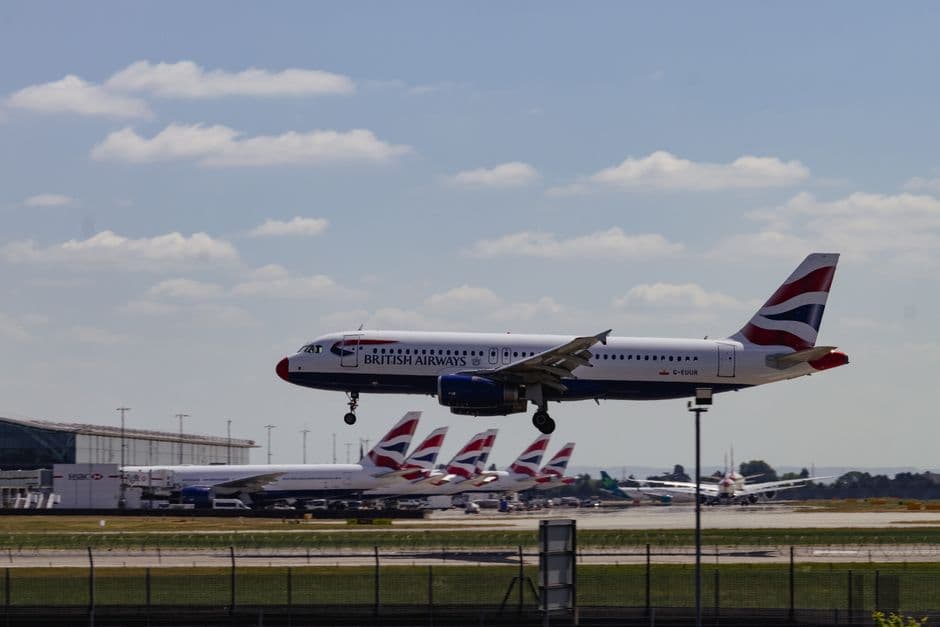
Flying from Mexico City (UTC-6) to London (UTC+1 in summer) places you 7 time zones east. That gap means your body clock owes roughly 7 hours of forward advancement — and since the human circadian system can shift by only 1 to 1.5 hours per day under ideal conditions, expect 5 to 7 days before you feel fully resynchronised. Travelling westward on the return is significantly easier: most people recover in 3–4 days.
- Time zone gap
- 6–7 hours east
- UTC-6 to UTC+0–+1
- Flight duration (MEX-LHR)
- approx. 11–12 hours non-stop
- Jet lag duration (eastbound)
- 5–7 days typical
- Jet lag duration (return westbound)
- 3–4 days
- Rule of thumb
- ~1 day recovery per time zone crossed
- Hardest symptom window
- Arrival days 1–3 (early waking, afternoon crash)
Why the Mexico-to-UK Direction Is the Harder One
The brain's master clock — the suprachiasmatic nucleus (SCN) in the hypothalamus — advances (shifts earlier) more slowly than it delays. Eastward travel forces an advance: your body must learn to feel sleepy at 11 pm London time when it still registers that as 4 pm Mexico City time. Westward travel only requires delaying sleep, which the SCN handles about 30–50 pct faster.
On the Mexico-to-UK route specifically:
- Mexico City (Benito Juárez, MEX) sits at UTC-6 Central Standard Time year-round (as Mexico permanently abolished daylight saving time in 2022, except for select border municipalities)
- The effective gap for summer itineraries (during BST) is 7 hours, while in winter (GMT) it is exactly 6 hours
- Non-stop flights on Aeromexico (MEX-LHR) and British Airways (MEX-LHR via partner codeshares) run approximately 11 to 12 hours, arriving in the morning London time
Your Day-by-Day Recovery Timeline
| Day | What You Will Likely Feel |
|---|---|
| Arrival day | Deceptively alert in the morning (it's still afternoon back home); energy collapse by 2–4 pm London time |
| Day 1 | Waking at 3–5 am unable to get back to sleep; drowsy by early evening |
| Day 2 | Sleep slightly improved but concentration poor; digestive rhythm still offset |
| Day 3 | Most travellers reach roughly 60–70 pct normal; afternoon nap temptation is strong |
| Days 4–5 | Appetite and sleep timing align closer to local schedule |
| Days 6–7 | Full resynchronisation for most healthy adults under 50 |
The Four Strategies That Compress Recovery
1. Pre-shift Before You Fly
Starting three nights before departure, move bedtime 30 minutes earlier each night. By the time you board, you will have banked 90 minutes of clock advancement — roughly one full time zone — before the flight begins.
2. Use Light Strategically in London
Light is the single most powerful circadian signal available without a prescription:
- Seek outdoor daylight between 7 am and 11 am London time on every recovery morning — even overcast UK skies deliver 10,000–20,000 lux, enough to signal the SCN
- A 10,000-lux SAD lamp such as the Lumie Arabica (
£55) or Beurer TL30 (£40) used for 20–30 minutes at breakfast amplifies the effect on grey days - Avoid bright screens after 9 pm during the first week; blue light signals midday to a clock still on Mexico time
3. Melatonin — Dose and Timing Are Everything
The most cited evidence comes from a 2002 Cochrane review (Herxheimer & Petrie) showing melatonin significantly reduces jet lag on eastward routes crossing five or more time zones. The key finding: lower doses work better than high ones.
- 0.5 mg fast-release melatonin taken at 10 pm London time on nights 1–4 is more effective than the 5 mg tablets common in Mexican pharmacies and US stores
- In the UK, melatonin is prescription-only (Circadin, 2 mg prolonged-release); bring your own supply from Mexico or the US (legal to import for personal use up to 3 months' supply under UK Border Force guidelines)
- Do not take melatonin during daylight hours — it will delay your clock rather than advance it
4. The Nap Rule
A 20-minute nap before 3 pm local time blunts the worst of the afternoon crash without pushing back night-time sleep onset. Any nap taken after 3 pm London time will very likely extend your full recovery from 5 days to 8 or 9. Set an alarm and stick to it.
The Fastest Single Change You Can Make
Book a morning arrival into London (Heathrow Terminal 2/4/5 or Gatwick). Most MEX-LHR flights depart late evening Mexico City time and land mid-morning London time. Walk straight into daylight, skip the airport hotel nap, and push through to 10 pm. That single discipline cuts one full day off most people's recovery.
Who Takes Longer to Recover
- Travellers aged 50+: circadian amplitude weakens with age; budget 7–9 days rather than 5–7
- People with prior sleep debt: arriving already tired compounds the disruption significantly — prioritise a full night's sleep the two nights before departure
- Frequent short-trip travellers: if you are returning to Mexico within 10 days, do not attempt full resynchronisation; stay partially on Mexico time (late to bed, late to rise) and avoid the double disruption
When Jet Lag Needs Medical Attention
Symptoms lasting beyond 10 days, severe mood disruption, or complete inability to sleep at night may indicate a circadian rhythm disorder rather than simple jet lag. An NHS GP can prescribe short-course zopiclone (a sleeping tablet) or refer you to a sleep clinic. Book via the NHS App or walk into a local pharmacy for an initial consultation.
Quick Recovery Checklist
- Shift bedtime 30 min earlier for 3 nights before flying
- On the flight, set your watch to London time and eat/sleep on London schedule
- Get outside into daylight within 1 hour of landing — no dark airport hotel rooms
- Take 0.5 mg melatonin at 10 pm London time for the first 4 nights
- No naps after 3 pm; no alcohol on the flight or day 1 in London
- Stay hydrated — cabin air at the 8,000 ft pressure equivalent dehydrates at double the ground rate
Follow all six steps consistently and most travellers from Mexico City are fully functional by day 5, with many feeling normal by day 4.
Mexico-to-UK travel timing
Queries about Mexico flight time and Mexico-to-UK jet lag mix two different questions: the flight duration varies by departure airport and routing, while jet-lag recovery depends on the time-zone shift and sleep schedule. Check the exact itinerary with your airline and use the recovery steps in this guide after arrival.


 Flights

 Medication