 Transport
Find out whether Seoul's short-term Climate Card saves money for tourists, what it covers and when a standard transit card is better.
Seoul's short-term Climate Card is worth buying when you will make several subway and bus journeys each day inside its coverage. It is not the automatic choice for every visitor, because airport travel, out-of-area trips and a slow sightseeing schedule can make ordinary pay-as-you-go transit cheaper and easier.
What tourists can buy
Seoul offers short-term passes for one, two, three, five and seven days. The Seoul Metropolitan Government says these short-term passes can be purchased using international credit cards. The attraction is simple: unlimited eligible public transport for the chosen period, rather than calculating each subway or bus fare.
The one-, two-, three- and five-day tourist products were introduced at ₩5,000, ₩8,000, ₩10,000 and ₩15,000 respectively; confirm today's price and sales points before relying on those figures. Short passes begin on the day they are charged, so do not load a one-day pass late at night if you plan to use it mainly tomorrow.
What it covers
The core coverage is eligible Seoul subway and bus travel. The broader 30-day product can also include services such as Ttareungi bike and Hangang Bus depending on the version, but tourists should not assume every line, bus or airport journey is included. The airport railroad has different services and segments, and travel beyond Seoul's coverage can require a separate fare.
Check the official map or use a transit app for every big day trip. A pass is only good value if the rides you take are eligible. If you expect to spend a day at Incheon Airport, take KTX, head to Suwon or visit Busan, it is not a replacement for all other tickets.
When it pays off
It suits a compact Seoul itinerary: hotel in the city, morning subway, bus to a museum district, another bus to a market, then a late subway home. It also removes the friction of small top-ups for a family moving around frequently. It is less compelling for a walker who makes two rail rides a day, a visitor staying mainly in one neighbourhood, or a traveller whose first and last days are airport transfers.
Compare the pass price with your likely daily rides, not your most ambitious plan. A normal T-money card is more flexible for Korea-wide transport and remains a useful backup even if you buy the Climate Card.
How to buy and use it
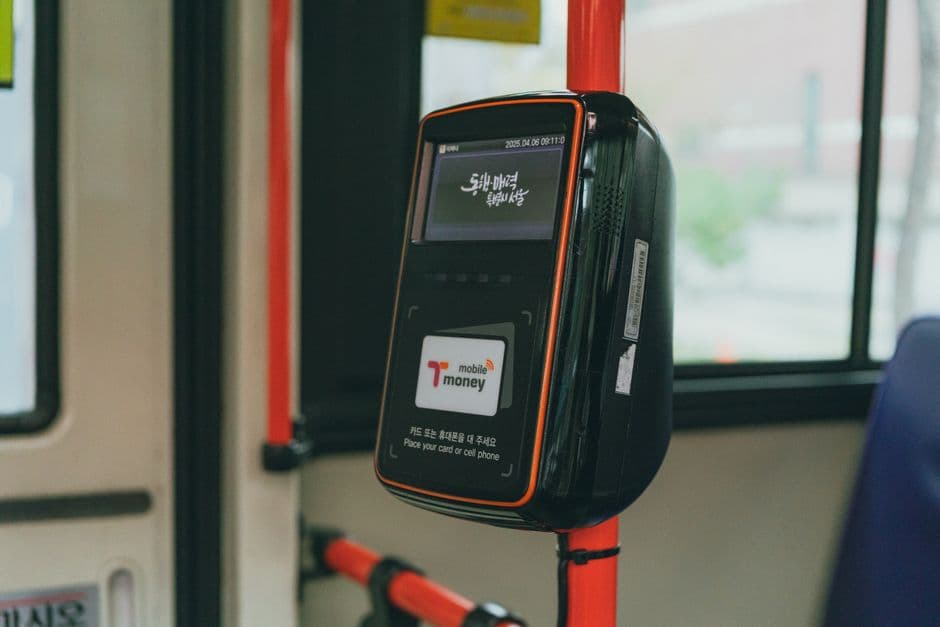
Buy an eligible physical card at listed subway customer centres or participating convenience stores, then charge the correct pass at an approved machine. Keep the card until the trip ends and tap in and out normally. Read the coverage and refund conditions before loading: a refund is not as simple as returning unused cash credit.
Use the official Seoul Climate Card page for current pass types, coverage and sales information. Buy it because your itinerary needs many eligible city rides, not because “unlimited” sounds automatically cheaper.
Before leaving the sales counter, check the duration and first-use rule. Keep a second payment method for routes outside the pass area. That small backup makes an excellent city pass a reliable travel tool rather than a constraint.