
 Regional Breakdown Geography
Gangnam is polish, Myeongdong is commerce, Jongno is history. Know which Seoul district matches your trip before you book your hotel.
Seoul's Han River splits the city cleanly in two: Gangbuk (north bank, older Seoul) and Gangnam (south bank, built from the 1970s onward). That single geographical fact explains most of what feels different between the city's districts. Pick the wrong side and you'll spend the week crossing bridges you didn't budget time for.
Gangnam: Polished, Wealthy, Spread Out
Where it is: South of the Han River, centered on Gangnam-gu. The district is served by Line 2 (green) and the Sinbundang Line, both fast and clean.
The vibe: Think Beverly Hills without the car dependency. Teheran-ro is Korea's answer to Silicon Valley's Sand Hill Road, lined with glass headquarters of Samsung, Kakao, and the major chaebols. Apgujeong-dong and Cheongdam-dong contain the flagship stores for every luxury brand that operates in Korea, plus the high-end Korean skincare clinics (medical tourism is a real industry here). The streets are wide, the buildings are new, and the restaurants have English menus more often than not.
What to do here:
- COEX Mall (World Trade Center area): one of Asia's largest underground malls, home to the Starfield Library (free entry, absolutely photogenic) and an aquarium
- Apgujeong Rodeo Street: independent Korean fashion labels and the original Gangnam cosmetic surgery strip
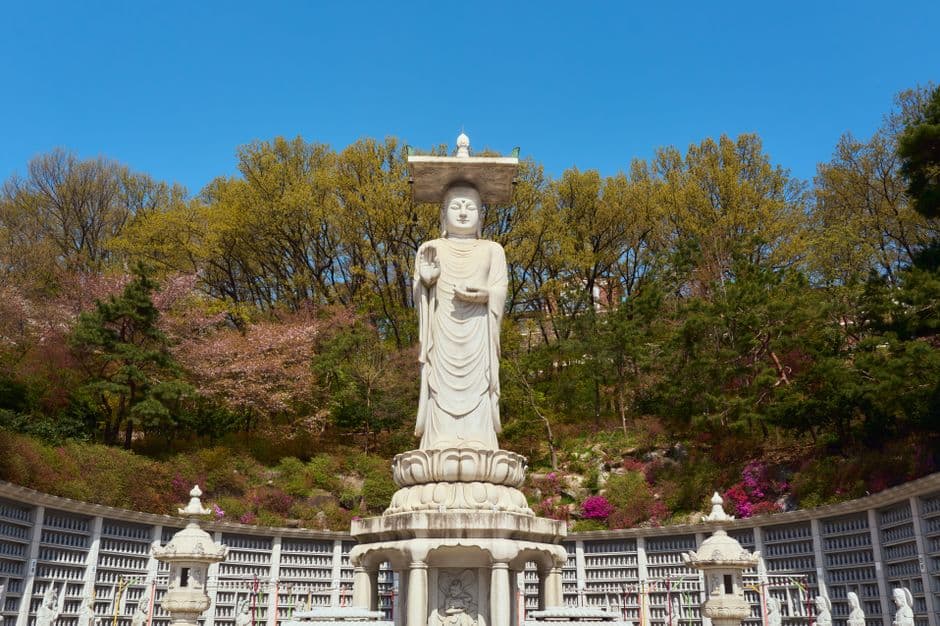
- Bongeunsa Temple: a functioning Buddhist temple wedged between skyscrapers, free entry, drum ceremony at 6:00 AM on weekends
- The nightlife hub is Sinchon/Hongdae (technically a different district but easy on Line 2), Gangnam itself goes quiet after midnight outside of Cheongdam
Practical note: Gangnam accommodations run 20–40 pct more expensive than comparable rooms in Jongno. The trade-off is proximity to the airport via the AREX line connecting at Seoul Station, reachable in one transfer.
Myeongdong: Tourism Concentrated, Strategically Located
Where it is: Central Seoul, north of the river, Line 4 (blue) at Myeongdong Station. Walking distance from City Hall and Namdaemun Market.
The vibe: Myeongdong is where Korean beauty brands fight for your wallet at street level. The pedestrian shopping street runs roughly 500 meters and is dense enough that on weekends in autumn you genuinely shuffle rather than walk. Every major K-beauty label, Innisfree, Etude House, COSRX, Laneige, has a flagship or pop-up here. Sheet masks cost 500–1,500 KRW each (about $0.40–$1.10), routinely cheaper than online.
What to do here:
- Eat tteokbokki (spicy rice cakes) and hotteok (sweet pancakes) from the street stalls that line the alleys parallel to the main drag
- Myeongdong Cathedral: a 19th-century Gothic Catholic church that survived the Korean War, free to enter, quiet inside
- Namdaemun Market (10-minute walk): the oldest continuously operating market in Seoul, open from 4:00 AM, excellent for seafood pancakes and wholesale prices on socks and kitchen goods
- Currency exchange booths in Myeongdong consistently beat bank rates and hotel desks, bring cash euros or dollars if you need KRW
Honest caveat: Don't stay here more than a day. Once you've done the main street and the cathedral, the area is commercially saturated. It earns its place as a base because nothing is far: Gyeongbokgung Palace is 20 minutes by subway, Insadong is a 15-minute walk north.
Jongno: Where Old Seoul Is Still Legible
Where it is: North of the Han River, roughly between Lines 1 and 3. The Jongno-gu district includes Insadong, Bukchon Hanok Village, and the five grand Joseon palaces.
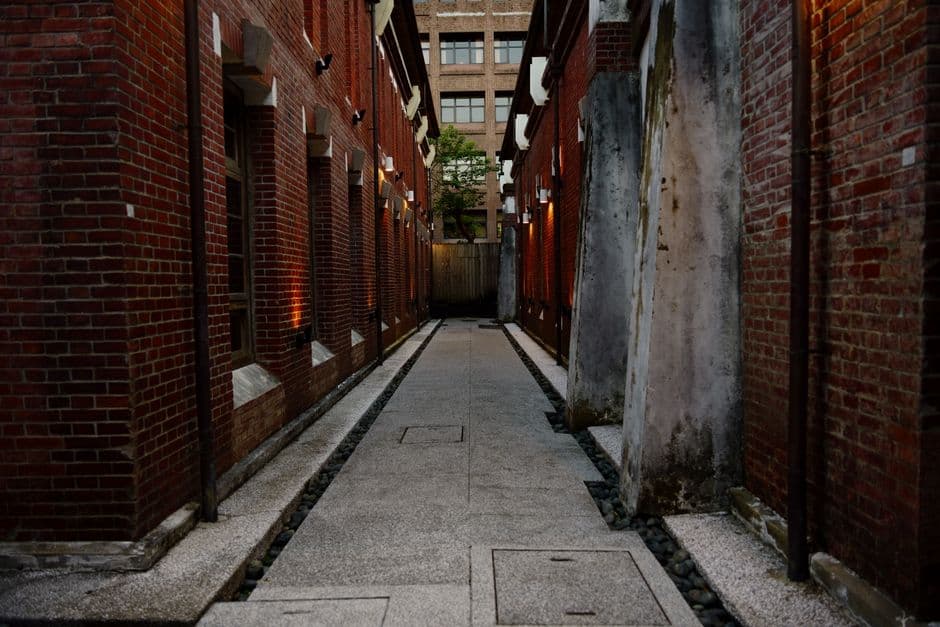
The vibe: This is the Seoul that existed before the 1970s development boom reshaped the south bank. Narrow alleyways open onto hanok (traditional wooden houses), most of them now tea houses, galleries, or guesthouses. The pace is slower. Street food here leans older: bindaetteok (mung bean pancakes) at Gwangjang Market have been made by the same family stalls since the 1970s.
What to do here:
- Gyeongbokgung Palace: open Tuesday–Sunday, 3,000 KRW entry. Rent a hanbok (traditional dress) from one of the stalls outside and enter free
- Bukchon Hanok Village: walk the residential alley called Bukchon-ro 11-gil for the classic rooftop view. Arrive before 10:00 AM or after 5:00 PM to avoid the crowds and respect the residents (noise ordinance applies)
- Insadong: antique shops, traditional paper (hanji), and the Ssamziegil courtyard market, more curated than Myeongdong, fewer tourists
- Tapgol Park: the site of Korea's 1919 independence declaration, with original stone pagoda from 1348
Where to stay: Jongno hanok guesthouses (called hanok stays) run 80,000–150,000 KRW per night and book out weeks ahead. Standard hotels in the area are cheaper than Gangnam by roughly 15 pct.
The decision framework: Stay in Jongno if history and walking culture matter. Use Myeongdong as a shopping base for two to three nights. Go to Gangnam for business, nightlife, or if you want a quieter neighborhood with excellent transit. All three are on Seoul's core subway network, and a single T-money card covers every trip between them for under 1,500 KRW a ride.
 Regional