 Sacred Historical Site Etiquette
Torii gate = Shinto shrine. No gate = Buddhist temple. Learn the key differences and exact etiquette for visiting both as a tourist in Japan.
The first thing to know before visiting any sacred site in Japan: the red gate standing at the entrance tells you everything. A torii gate means you are entering a Shinto shrine (jinja). No torii, and you are almost certainly at a Buddhist temple (otera). That single visual cue prevents most tourist mistakes before you even step through.
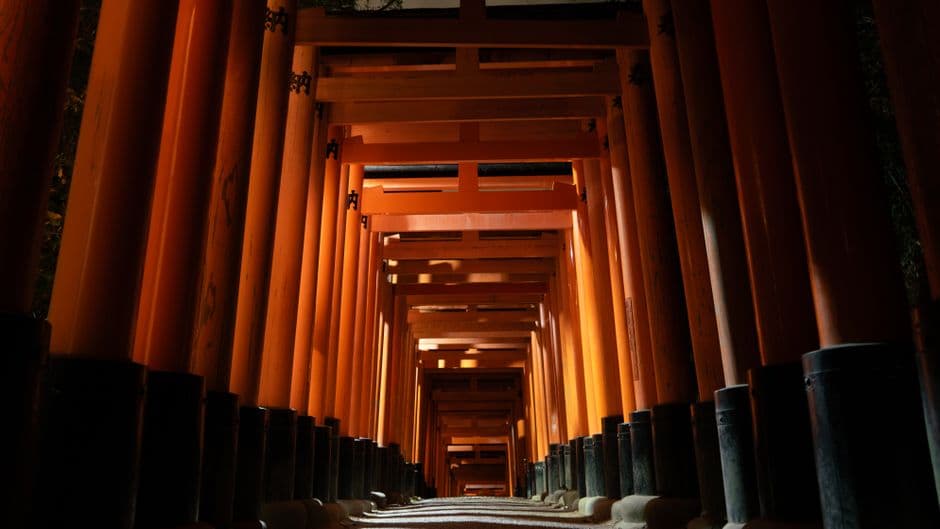
- Shrine (jinja)
- Shinto
- torii gate at entrance
- Temple (otera)
- Buddhist
- no torii
- Shoe removal
- Only inside buildings, not grounds
- Purification fountain
- Shrines only: rinse hands before entering
- Photography
- Outer grounds OK, inner sanctums check signs
The Core Difference in Five Seconds
Shrines are dedicated to kami: the spirits of Shinto, Japan's indigenous religion. They enshrine natural forces, ancestors, and deities like Inari (foxes, harvest) or Hachiman (war, archery). The atmosphere tends toward simplicity: unpainted wood, gravel paths, white paper streamers called shide.
Temples are Buddhist. They house statues of the Buddha, bodhisattvas, and other figures. Look for incense burners (koro) at the entrance: wafting smoke over yourself before entering is an act of purification here. You will often see large paper lanterns, elaborate painted gates (sanmon), and a five-story pagoda (goju-no-to).
One more visual shortcut: temple gates are typically staffed by fearsome wooden guardian statues (Nio) flanking the entrance. Shrine gates have no such guardians: just the torii itself.
What to Do at a Shinto Shrine
- Bow once as you pass under the torii. Walk to the side of the path, not the center: the center lane is reserved for the kami.
- Purify your hands at the temizuya (stone water basin). Ladle water over your left hand, then right, then cup your left to rinse your mouth (spit onto the gravel, not back into the basin). Skip the mouth step if you prefer: most younger Japanese do now.
- At the main hall (haiden): toss a coin into the offering box (saisen-bako), ring the bell if there is one, bow twice deeply, clap twice, bow once more. This sequence, 2 bows, 2 claps, 1 bow, is the standard nirei nihakushu ichirei.
- Omamori charms sold on-site are perfectly fine to buy as souvenirs. They carry no taboo for non-believers.
What to Do at a Buddhist Temple
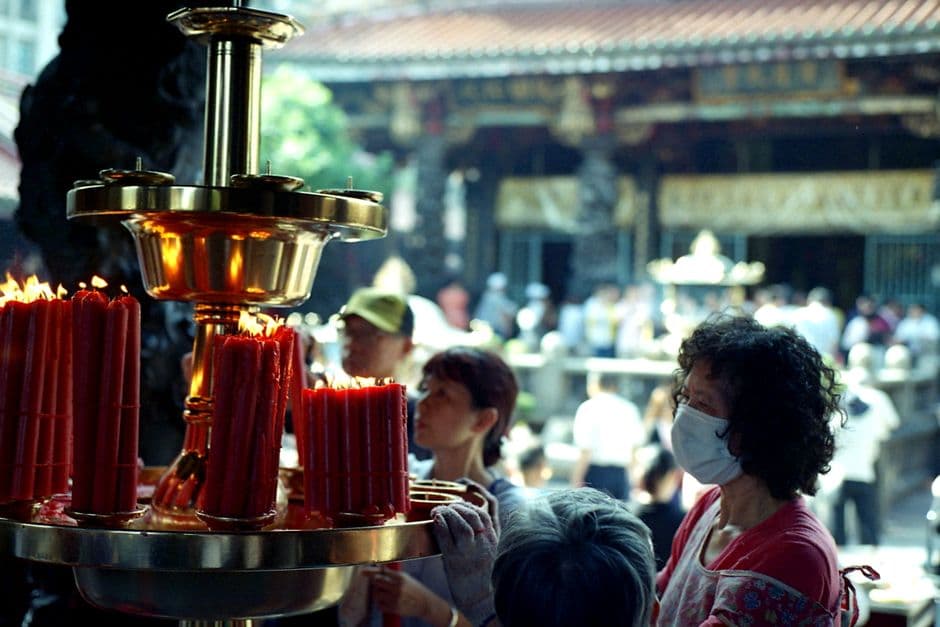
- Light incense at the burner outside the main hall if you wish. Wave the smoke toward yourself: it is believed to purify the body.
- No handclapping at the main hall. Buddhist prayer is silent: press your palms together (gassho), bow, and hold the posture briefly.
- Remove shoes before entering any enclosed building: a step (shikidai) and shoe rack will make this obvious.
- Graveyard etiquette: many temples have active cemeteries. Walk around grave markers, never between them, and keep voices low.
Photography: the Practical Rule
Outer grounds are almost always open to photography at both shrines and temples. The restriction kicks in at the inner sanctum (honden at shrines, hondo or kondo at temples): look for posted signs before raising your camera. When in doubt, use the phrasebook above: staff universally appreciate the effort to ask.
Flash photography is prohibited everywhere without exception. Many temples that display National Treasure statues (Todai-ji's Great Buddha in Nara, Byodoin's Amida in Uji) explicitly ban all photography inside and employ attendants to enforce it.
Sites That Are Both
Roughly 10 percent of Japan's sacred sites are jingu-ji: hybrid complexes that house both a shrine and a temple on the same grounds, a legacy of the pre-Meiji era when Shinto and Buddhism were deliberately merged. Nikko Toshogu is the most visited example. Here you will see torii and incense burners within meters of each other. Apply shrine etiquette at the shrine sections and temple etiquette at the Buddhist halls: signage usually makes the boundary clear.
The single biggest mistake tourists make at sacred sites in Japan is treating them as interchangeable backdrops. They are active places of worship. Move quietly, follow the ritual sequence, and the experience shifts from sightseeing into something considerably more memorable.
 Sacred Historical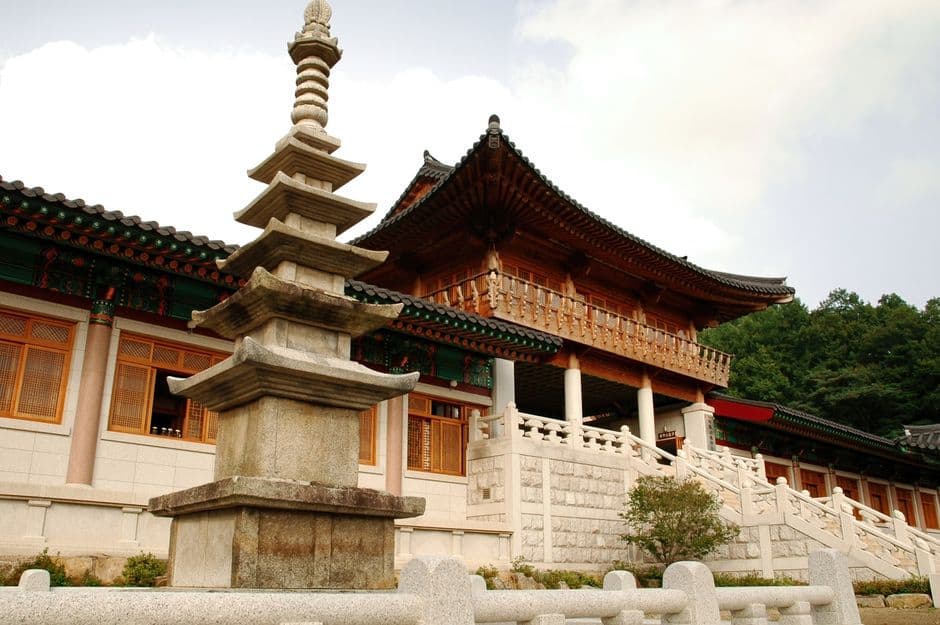
 Sacred Historical