 Country
Visas, trains, money, etiquette, power and connectivity: everything a first trip to Japan actually needs, in one practical guide.
Japan rewards a little preparation. The rules are mostly unwritten, the trains are gloriously punctual, and a few small habits will make you feel like less of a tourist. Here is the practical groundwork: the things first-timers always ask about.
Money: cash still matters
Japan is more cash-friendly than card-friendly outside big cities. Pull yen from a 7-Eleven or Japan Post ATM, and carry a coin purse: you will accumulate ¥500 coins fast. Tax-free shopping exists for tourists above a spending threshold; keep your passport handy.
Getting around
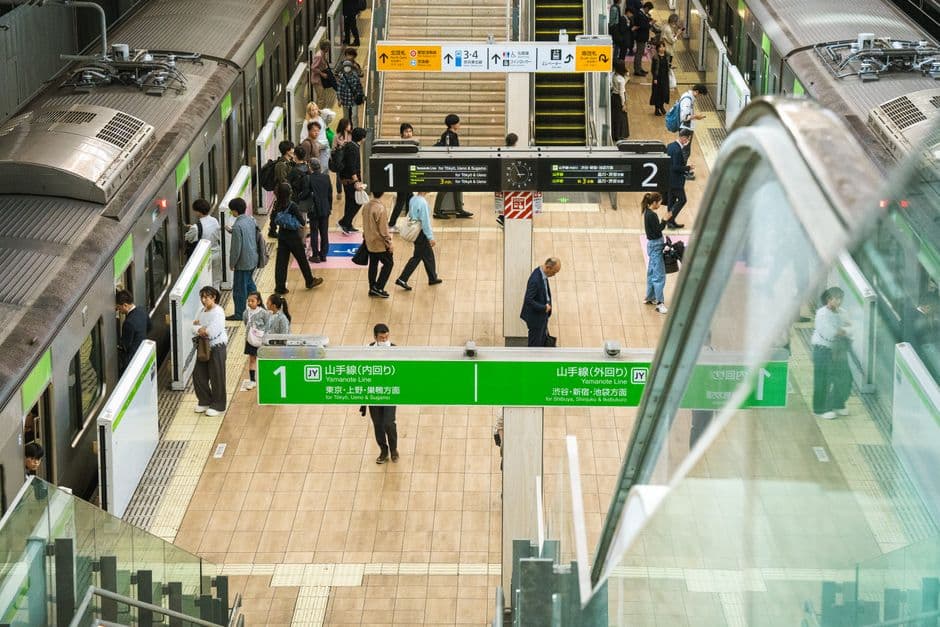
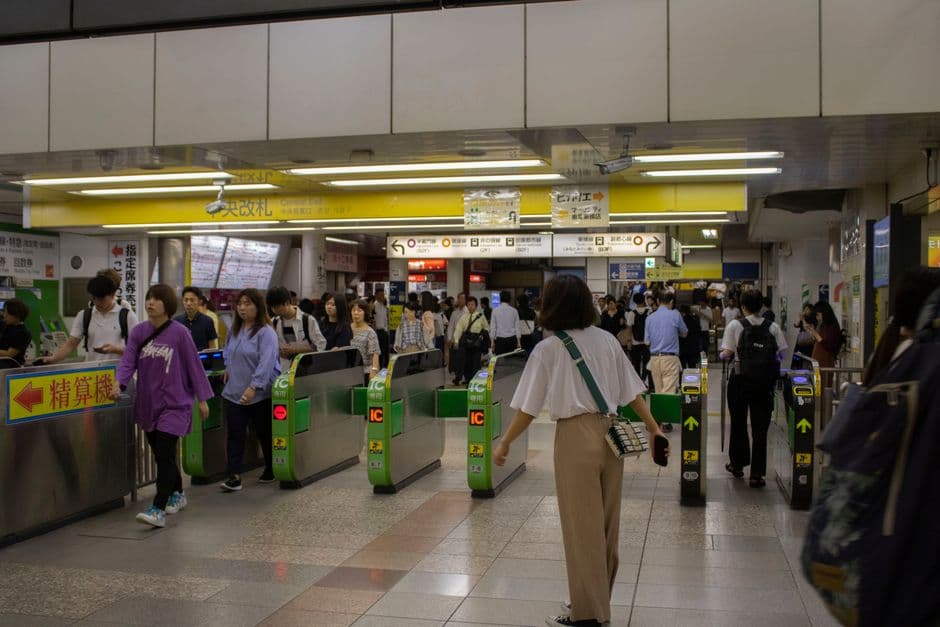
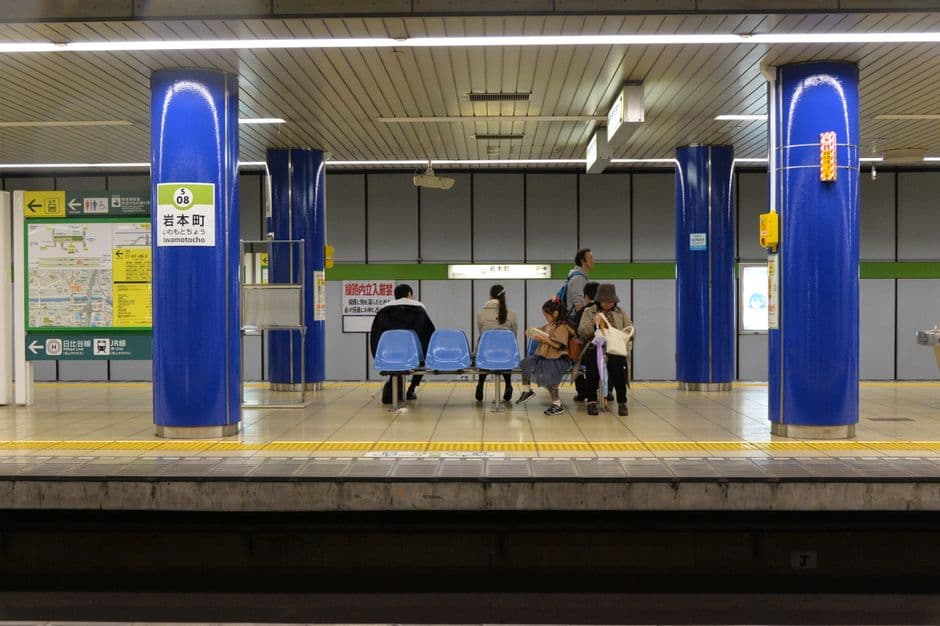
Get a rechargeable IC card (Suica or PASMO) on day one: tap on/off trains, buses, and even vending machines. For long distances, the Shinkansen is faster than flying city-to-city.
Distances and speeds are signed in metric. If you think in miles, this helps:
Stand on the left of the escalator in Tokyo, the right in Osaka. Locals notice.
Power & plugs
Japan runs on 100 V, with Type A/B plugs (the same shape as North America, but lower voltage). Most phone and laptop chargers handle it; high-wattage hair tools may not.
Tap water & emergencies
Tap water is safe everywhere: refill your bottle. Keep these numbers handy just in case.
Tap water is safe and good to drink nationwide.
Eating with dietary needs
Show this card if you have restrictions: staff will understand instantly.
Show this in Japanese:
Etiquette, fast
- Don't eat while walking; finish your snack by the shop.
- Slurping noodles is fine, even polite.
- Tipping is not expected and can confuse staff.
- Keep phone calls off on trains; switch to silent ("manner mode").
A few words go a long way
A simple Arigatou gozaimasu (thank you) and Sumimasen (excuse me / sorry) cover an astonishing number of situations.
Plan the rest of your trip in voyageons: drop these stops onto your timeline and the itinerary builds itself.