 Accessibility Dietary Nuances
Dashi fish stock hides in almost every Japanese dish. Here's how to spot it, avoid it, and find genuinely vegan meals at Japanese chains.
Japaneseで見せましょう:
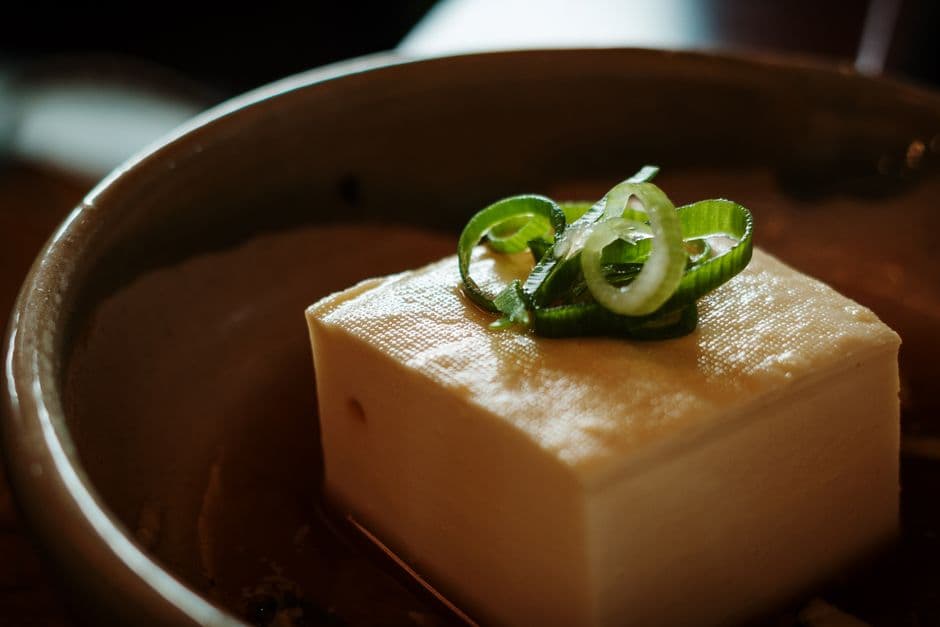
The single biggest obstacle to eating vegan in Japan is not the food: it is an invisible ingredient. Dashi, a stock made from dried bonito fish flakes (katsuobushi) or dried sardines (niboshi), is the flavour backbone of Japanese cuisine. It appears in miso soup, noodle broths, simmered vegetables (nimono), rice seasonings, and sauces that look, to every visible indicator, completely plant-based. A dish of braised tofu or green beans listed nowhere near fish on the menu is almost always cooked in dashi.
Why "Vegetarian" Does Not Mean Vegan Here
Japanese food culture has no mainstream tradition of veganism. The word "vegetarian" (ベジタリアン, bejitarian) is understood but unevenly applied. Many restaurants consider a dish vegetarian if it contains no visible meat or fish: dashi, fish sauce (nanpla), small dried shrimp, and bonito flakes used as a garnish are all categorised mentally as "seasoning," not animal ingredients. Even Buddhist shojin ryori cuisine, the closest Japanese equivalent to plant-based cooking, sometimes includes dashi in non-temple restaurant versions.
Carry these phrases on your phone. The dashi question in particular will often prompt a kitchen check that a general "is this vegetarian?" question does not.
The Specific Traps
- Miso soup: almost universally made with katsuobushi dashi, even in apparently vegetarian restaurants. Ask explicitly for kombu dashi (kelp-only) or skip it entirely.
- Edamame and gyoza dipping sauces: often contain bonito extract.
- Convenience store onigiri: many "vegetable" fillings, including pickled plum (umeboshi), are seasoned with katsuobushi.
- Tempura batter: the dipping sauce (tentsuyu) is nearly always dashi-based; the batter itself is vegan.
- Instant ramen and packaged soups: read the kanji 鰹 (katsuo, bonito) and 煮干 (niboshi, dried sardines) on ingredient labels.
Chains With Verified Vegan Options (2025–2026)
Mos Burger labels allergens and has offered soy-patty burgers; confirm current availability as the menu rotates seasonally.
Komeda's Coffee has a dedicated soy-milk menu section. Their "Komeda no Okara" soy pulp patty sandwich has been available without egg mayo on request.
Gyumon and Saizeriya are outliers in the izakaya/family-restaurant category: both publish allergen matrices online in English and Japanese, making it possible to cross-reference dashi-free options before you sit down.
7-Eleven, FamilyMart, Lawson (convenience stores): look for the "Vegetables" (野菜) onigiri label and the ingredient panel. FamilyMart has stocked a tofu salad (豆腐サラダ) with no fish ingredients in its major city locations. The dressing is the danger zone: check every packet.
Afuri ramen (Tokyo, Ebisu and Nakameguro branches): offers a yuzu shio vegan ramen made with kombu and vegetable dashi. It is listed explicitly on the menu as ヴィーガン対応.
T's TanTan in Tokyo Station (inside the Keiyo Street food hall) is arguably the most reliable fully vegan ramen counter in Japan. Every broth is plant-based.
The Safest Street-Level Strategy
Convenience stores beat many restaurants for reliable vegan eating. A plain steamed rice ball with sesame salt (塩むすび), a block of cold silken tofu from the refrigerated section, and edamame in pods (rinse them before eating, the salt coating sometimes contains extract) will get you through a meal safely when restaurants feel opaque.
In restaurants, ordering a dish and asking "dashi wa haitte imasu ka" is more effective than asking if something is vegan. Staff who cannot answer a broad dietary question can usually answer a direct ingredient question.
Japan's vegan scene is growing fast in Tokyo and Kyoto. Apps like HappyCow and vegewel.com (Japanese-language but filterable) list dedicated vegan restaurants with English menus. The challenge is not that vegan food in Japan is impossible: it is that the default assumption is almost always that dashi is welcome. Once you know to ask about it by name, the conversation becomes possible.
Is dashi vegan or vegetarian?
The answer depends on the stock. Traditional dashi commonly uses bonito flakes or other seafood, so a dish that contains no visible meat may still be unsuitable for vegans or vegetarians. Ask specifically for kombu-only or vegan dashi.

 Accessibility

 Accessibility