 Emergencies First Aid Urgent Care
Where to find English-speaking doctors in South Korea, from Seoul's international clinics to provincial hospitals. Real names, costs, and tips.
South Korea has world-class medical infrastructure, but outside Seoul's international clinics, English fluency among staff varies sharply. Knowing the right facilities before you need them can cut critical time when it counts.
The Best English-Language Hospitals in Seoul
Severance Hospital (Yonsei University Health System, Sinchon) operates a dedicated International Health Care Center on the first floor of the main building. The center is staffed with coordinators who speak English, Japanese, Chinese, and Arabic. Walk-ins are accepted; most consultations run ₩30,000–₩80,000 before tests. Address: 50-1 Yonsei-ro, Seodaemun-gu, direct access from Sinchon Station (Line 2, exit 3).
Seoul National University Hospital (SNUH) in Jongno-gu has an International Medical Center (IMC) at the main building entrance. Appointment booking is available in English at imc.snuh.org. Average outpatient consultation: ₩50,000–₩120,000.
Samsung Medical Center in Gangnam-gu is the facility most foreigners in the finance and tech sectors use. Its Global Healthcare floor on B1 handles international patients with English-speaking nurses and physicians. Expect ₩60,000–₩150,000 for a specialist visit; walk-in urgent care is available 24 hours via the ER.
Asan Medical Center (Songpa-gu, near Olympic Park) is South Korea's highest-volume hospital and its international center handles complex cases well, useful if you need specialist referrals or imaging.
Clinics for Minor Issues and Everyday Care
For non-emergencies, a prescription refill, a sinus infection, a sprained ankle, neighborhood clinics (의원, uiwon) are far cheaper and faster than hospital outpatient departments. Many clinics in Itaewon, Hongdae, Gangnam, and Insadong have at least one English-speaking physician on staff.
Itaewon Foreign Clinic (Itaewon-ro, Yongsan-gu) was established specifically for the expatriate and military community and runs almost entirely in English. Consultations typically cost ₩20,000–₩40,000 before medication.
The Korea Health Information Center hotline 1339 (dial from any Korean number, 24 hours) connects you to a nurse who can triage your issue in English and direct you to the nearest appropriate facility.
Outside Seoul: What to Expect
In Busan, Pusan National University Hospital has an international patient department. In Jeju, Jeju National University Hospital handles foreigners regularly due to tourist volume, and English-speaking staff are rostered at the main reception.
In smaller cities and rural areas, English fluency drops considerably. Your best strategy: use the Naver Papago app for real-time translation of medical vocabulary, carry a printed card listing your conditions and medications in Korean (many travel clinics abroad can prepare these), and call 1339 before setting out, operators will phone ahead to the clinic to arrange a translator.
Costs and Insurance
South Korea uses a National Health Insurance (NHI) system, but tourists are not enrolled. As a foreigner, you pay the uninsured rate, which is still modest by Western standards:
- GP/clinic visit: ₩15,000–₩40,000
- Hospital outpatient specialist: ₩50,000–₩150,000
- Emergency room visit (excluding treatment): ₩80,000–₩200,000
- Prescription drugs from a pharmacy (약국, yakguk): typically ₩5,000–₩20,000
Most international travel insurance policies reimburse these costs on submission of receipts. Carry your policy number and the insurer's 24-hour claim line; Samsung Medical Center and Severance both have staff who handle direct billing with major insurers including AXA and Allianz.
Pharmacy First
Korean pharmacists (약사) are highly trained and can treat minor issues, cuts, mild infections, digestive problems, without a doctor visit. Pharmacies are marked with a green cross and are open until 9–10 pm in urban areas. Night pharmacies (당직 약국) are listed on the 1339 hotline.
Key Numbers to Save
- Emergency (ambulance and fire): 119
- Police: 112
- Health triage in English: 1339
- Korea Tourism Helpline (English, 24h): 1330, can also help locate nearby clinics
 Emergencies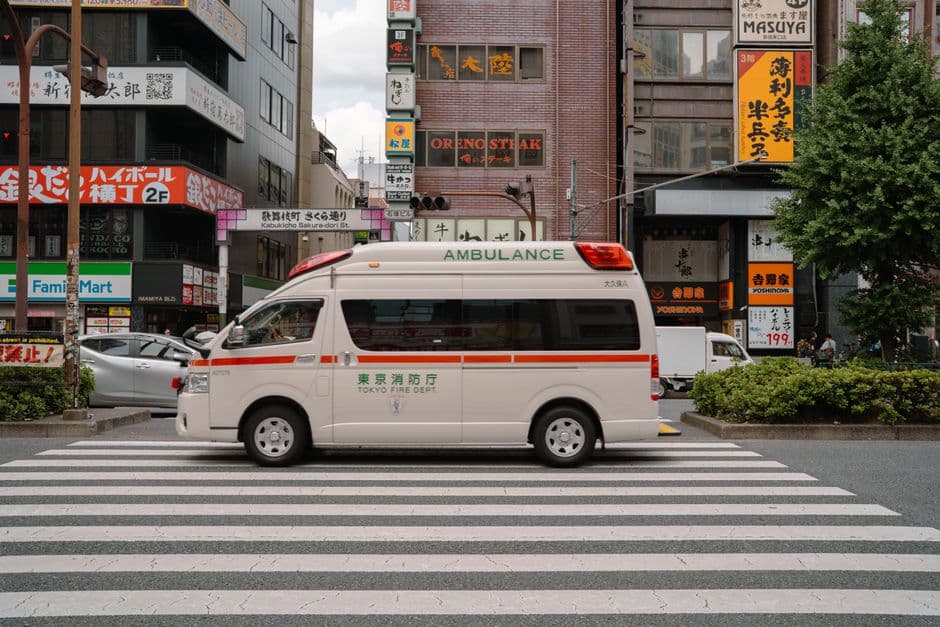
 Emergencies