 Water Safety Hydration Metrics
Japan's tap water is safe to drink nationwide, but locals rarely do. Here's what the water quality data says, and what to buy instead.
Japan's tap water meets World Health Organization standards in every major city. You can drink straight from the tap in Tokyo, Osaka, Kyoto, Sapporo, and Fukuoka without a filter or purification tablet. The infrastructure is genuinely world-class.
Tap water is safe and good to drink nationwide.
That said, watch your glass at a restaurant: it will almost certainly be filled with tap water, and nobody in the room will think twice about it. Japanese locals do drink tap water, especially at home. The nuance is that many also keep a countertop water purifier (a Brita-style pitcher or an under-sink Cleansui unit) because chlorine levels, while safe, can give a faintly chemical taste to water in older urban pipes.
- Tap water
- Safe to drink nationwide
- Tokyo tap source
- Tama River (treated)
- Hot spring areas
- Check locally (mineral content varies)
- Vending machine water
- ~120 yen per 500ml
- Convenience store water
- ~100 yen per 600ml
The One Exception: Hot Spring Towns
In onsen resort towns (Beppu, Hakone, Kinosaki, Noboribetsu) the local water supply can carry elevated sulfur or mineral content drawn from the same geothermal sources that feed the baths. It is not dangerous, but it can taste strongly mineral and may not suit sensitive stomachs. Hotel rooms in these areas typically stock bottled water for drinking and brushing teeth, and the front desk will confirm tap safety on request.
What Locals Actually Drink
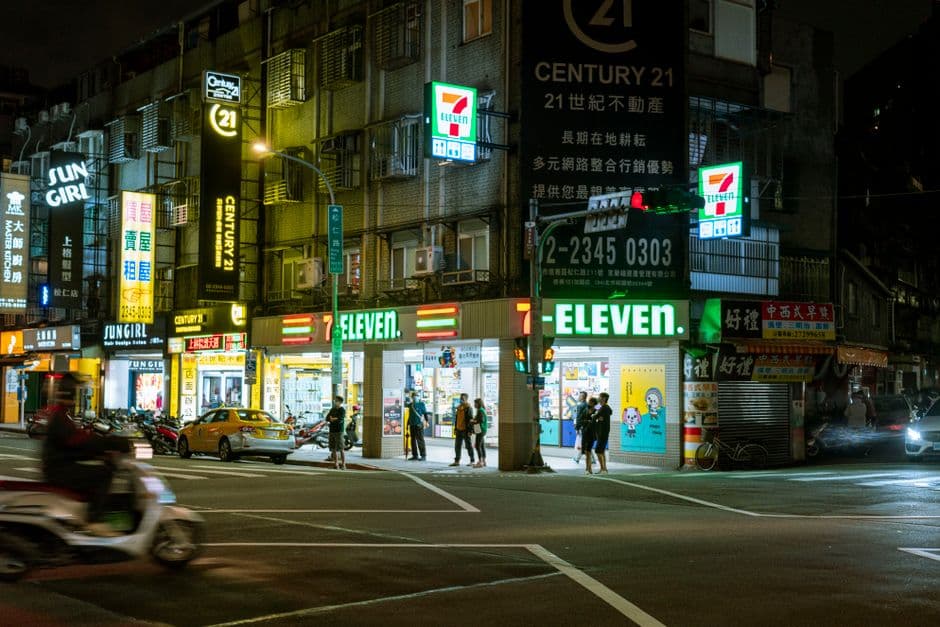
Walk into any 7-Eleven, FamilyMart, or Lawson and you will find an entire chilled shelf dedicated to water. The dominant options are:
- Suntory Tennensui: soft mineral water from the Southern Alps (Yamanashi), about 100 yen for 550 ml. Neutral taste, widely loved.
- Pocari Sweat: an electrolyte drink (not water) that functions as a light sports drink, popular after summer heat or long walking days.
- Evian and Volvic: imported and priced at a premium (150–180 yen), common in urban convenience stores targeting tourists.
For everyday hydration, most tourists end up buying a 600 ml bottle once or twice a day at a konbini. The cost is trivial and the cold chain is reliable: convenience store coolers are restocked continuously.
The Vending Machine Ecosystem
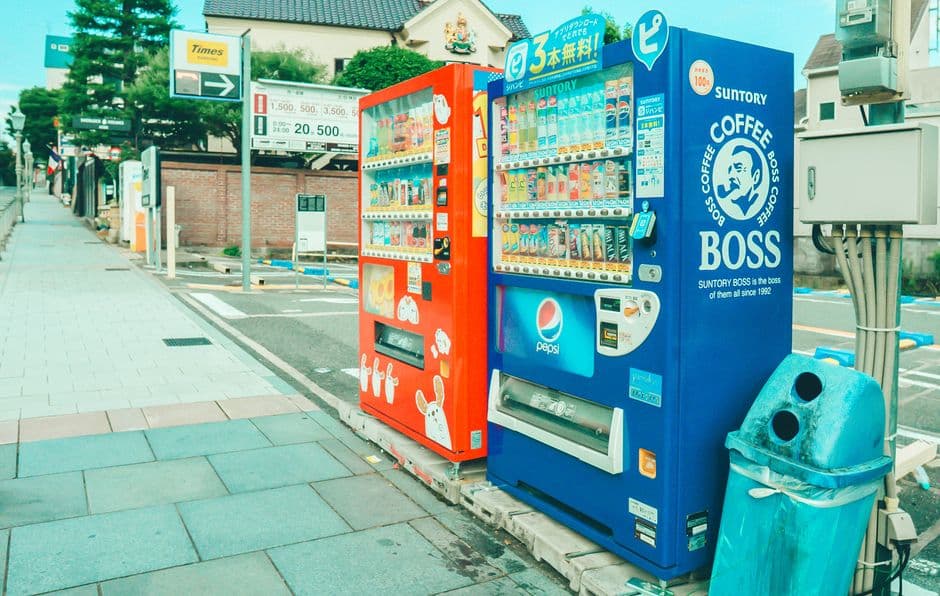
Japan has roughly one vending machine per 23 people, about 5.5 million nationwide. Every station exit, temple approach, and suburban street corner has one. Cold water starts at 100 yen for a small bottle; premium brands (Evian, Suntory Premium Minami Alps) run to 130–150 yen. In summer, many machines stock both "cold" (blue label) and "hot" (red label) options in the same unit: the hot side offers green tea and corn soup, not water.
Practical tip: carry a reusable bottle and refill it from the tap in your hotel or from the drinking water stations (marked 飲料水, inryosui) found at most large train stations and major parks. Tokyo Waterworks even runs a campaign called "Tokyo Water" promoting city tap water as premium-grade: you can pick up branded bottles at tourist offices.
Hydration in Summer Heat
If you visit between June and September, Japan's humidity makes dehydration a real risk. The combination of walking, public transport, and 35°C days can drain you faster than you expect. Drink before you feel thirsty, target around 1.5–2 litres per day, and supplement with electrolytes if you are sweating heavily. Pocari Sweat or Aquarius (a Coca-Cola Japan product, lighter than Pocari) are available in every vending machine and ideal for this purpose.
The bottom line: Japan's tap water is among the safest in the world. Drink it freely, refill your bottle where you can, and lean on the extraordinary vending machine and convenience store network when you need something cold on the go.
 Water Safety
 Water Safety