 Nightlife Culture Cover Charges Safety After Dark
Tokyo club cover charges explained: what's included, how drink tickets work, table minimums, and what to expect at the door in Roppongi and Shibuya.
Japan's club entry system is nothing like a European or American door charge. The cover, called チャージ料 (chāji-ryō) or simply カバーチャージ, is structured, enforceable, and almost always bundled with something tangible. Knowing what you are actually paying for saves you from sticker shock at the door and from being upsold the moment you walk in.
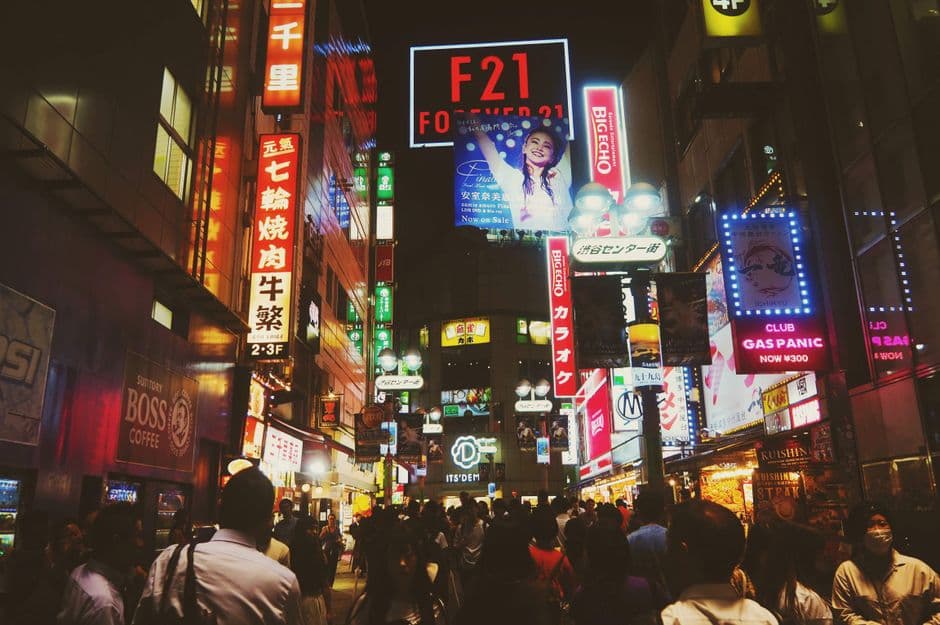
- Average cover (Roppongi)
- 2000-4000 yen
- Average cover (Shibuya)
- 1500-3000 yen
- Cover usually includes
- 1-2 drink tickets
- Table minimum
- 20000-80000 yen
- Last train
- 11:30 PM-1 AM depending on line
- First train resumes
- 4:30-5 AM
What the Cover Charge Actually Buys You
In most Tokyo clubs the cover price is not just admission: it is a drink-ticket bundle. A 3,000-yen door charge at a Roppongi venue like Muse or V2 Tokyo typically comes with one or two drink tickets redeemable at the bar for any standard highball, beer, or soft drink. Premium spirits are always excluded; ask at the door if you want the exact list.
Some venues, particularly the larger electronic music clubs such as Womb in Shibuya or Ageha in Shinkiba, separate the admission from drinks entirely. You pay to enter (2,000–3,500 yen depending on the night and DJ lineup) and buy every drink at the bar à la carte at 700–1,200 yen each. The no-tickets model is common in the underground and dance-music circuit where the music, not the bar, is the draw.
A third format is the all-you-can-drink (飲み放題, nomi-hōdai) cover, more common at bar-adjacent venues than pure clubs. For 3,000–4,500 yen you get unlimited pours for 90 or 120 minutes. Drinks are usually limited to draft beer, house wine, basic cocktails, and soft drinks. If you see "nomi-hōdai" on the door sign, check the time limit: it starts when you enter, not when you first order.
Table Minimums: A Different Financial Instrument
If someone invites you to a table, be aware that table minimums (テーブルチャージ) are separate from the door charge and operate on a completely different scale. In Roppongi's upscale venues (Esprit Tokyo, V2 Tokyo VIP floors) table minimums commonly run 20,000–80,000 yen for a group booking and cover a bottle package rather than individual drinks. Splitting a table minimum between four to six people can make it economical. Showing up expecting to pay the standard door charge and then sitting at a reserved table is a guarantee of an awkward conversation with a host.
How to Pay and What to Watch For
Payment is almost always cash at the door. Even clubs that allow card payment for table packages often require cash for walk-in cover charges. Bring yen from a convenience-store ATM (7-Eleven and Lawson ATMs reliably accept foreign cards) before heading out.
A few operational details that matter:
- Re-entry policy: Most venues void your wristband the moment you leave. Stepping outside for air costs you another cover charge. Confirm re-entry rules with staff before going out.
- Guest lists: Promoters at Shibuya and Roppongi clubs actively hand out free or discounted entry cards outside the venue. A genuine guest list entry (registered in advance via the club's LINE account or promoter contact) typically halves the cover charge or removes it entirely before midnight.
- Women's discount: Many Tokyo clubs apply a lower female entry price, sometimes half the standard charge. This is posted on the venue's website and almost never advertised at the door in English.
- International nights: Certain nights at venues like Womb and Sound Museum Vision price foreign-passport holders the same as Japanese guests. Others quietly charge a higher "foreigner" rate: informal and unenforceable, but real in practice at some Roppongi spots.
The Train Gap Problem
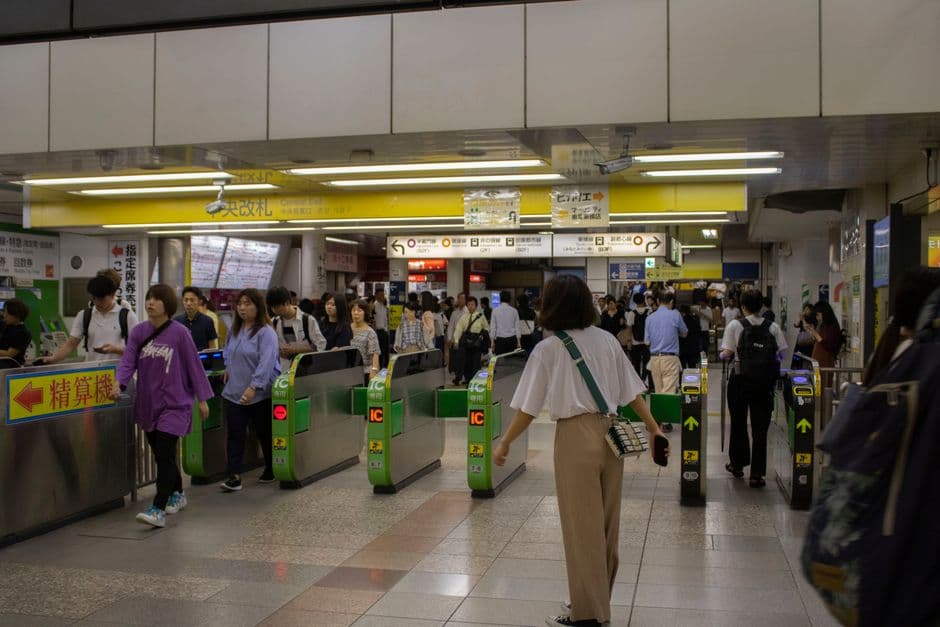
Tokyo's first trains stop between 11:30 PM and 1 AM depending on the line. The next service resumes around 4:30–5 AM. If you enter a club after midnight, factor in a taxi home (4,000–8,000 yen across central Tokyo) or plan to stay until first train. Taxis queue reliably outside major Roppongi and Shibuya clubs from about 2 AM onward. Rideshare apps (Uber, DiDi) operate in Tokyo but surge pricing at 4 AM is substantial: often equal to or higher than the metered taxi rate.
The math is simple: a 3,000-yen cover, two drinks at 1,000 yen each, and a 5,000-yen taxi home puts a single night at roughly 10,000 yen per person before you account for any food. Budget accordingly, carry cash, and know the re-entry rules before you light a cigarette outside.
 Nightlife
 Nightlife