 Customs Duty Free Allowances Prohibited Imports
Exact Japan customs allowances for alcohol, tobacco and goods: and how the 200,000 yen duty-free threshold works for tourists arriving in 2026.
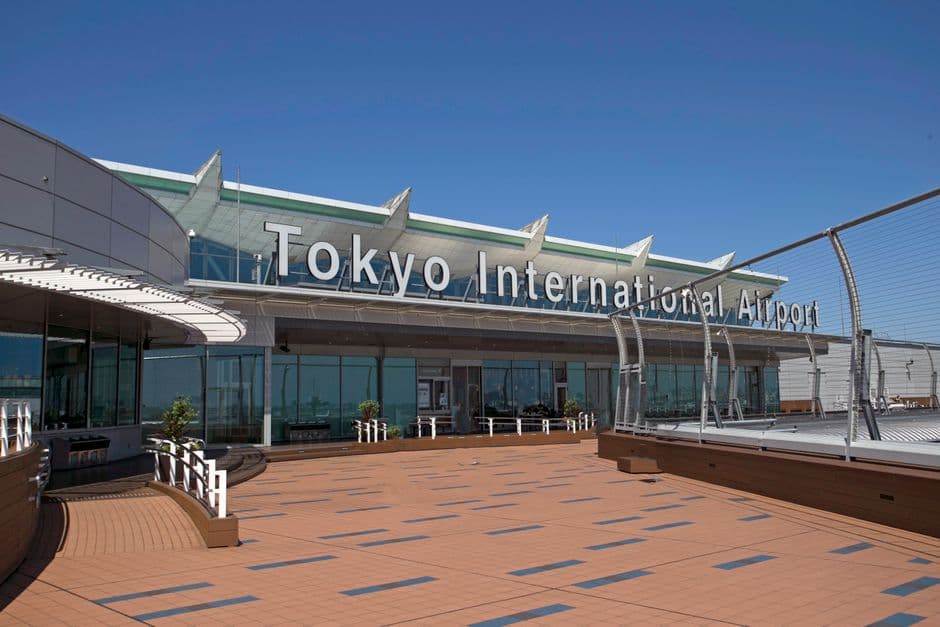
Japan Customs applies a precise set of allowances the moment you land. Knowing the exact numbers before you arrive keeps you out of the red channel and prevents an on-the-spot duty bill at Narita, Haneda, Kansai, or Chubu.
- Alcohol
- 3 bottles (760ml each)
- Cigarettes
- 200 cigarettes or 50 cigars
- Perfume
- 2 oz
- Currency (declare)
- Over 1 million yen
- Duty-free goods
- Up to 200000 yen market value
- Prohibited
- Firearms, narcotics, counterfeit goods, certain plants
The Alcohol Allowance
You may bring in 3 bottles of alcohol, each up to 760 ml, roughly a standard wine bottle. The type of spirit does not matter: whisky, wine, shochu, beer. Three bottles, full stop. A fourth bottle is taxable from the first unit. If you are carrying premium whisky as a gift, count every bottle individually, not by alcohol content.
You must be 20 years of age or older to import alcohol. Japan's domestic drinking age is 20, and customs applies the same threshold to arrivals.
Tobacco Limits
The allowance is 200 cigarettes (one standard carton) or 50 cigars or 250 g of other tobacco. Heat-not-burn sticks such as IQOS HeatSticks follow the same 200-unit cap. You cannot combine categories: 100 cigarettes plus 25 cigars does not equal 200 units under Japanese customs rules; each category is evaluated separately.
Vaping devices and e-liquid containing nicotine are regulated under Japan's Pharmaceutical and Medical Device Act: nicotine e-liquid is classified as a quasi-pharmaceutical. The personal-use import limit is 120 ml (approximately a one-month supply) and no more than 2 devices. Quantities above 120 ml require a Yunyu Kakunin-sho (see medication article). Nicotine e-liquid cannot be purchased inside Japan; bring what you need from home. Nicotine-free e-liquid has no restriction.
Perfume
The allowance is 2 oz (roughly 56 ml) of perfume. This is rarely a problem for most travellers but matters if you are bringing duty-free purchases from a departure airport: two 100 ml bottles of eau de parfum already exceed the limit.
The 200,000 Yen Duty-Free Cap
This is the rule most tourists misunderstand. Japan permits you to import goods (excluding alcohol and tobacco) up to a combined market value of ¥200,000 without paying customs duty. Market value means the retail price in the country of purchase, converted to yen.
A few practical notes on how the cap works in practice:
- Gifts count. Everything in your luggage counts toward the ¥200,000 total, including items you plan to give away. Customs does not distinguish between personal use and gifts.
- Worn items are generally exempt. Clothes or shoes already on your body or in daily-use condition are not assessed.
- New electronics attract attention. A single unopened laptop or camera body can consume most of the allowance on its own.
- Receipts help. If an agent stops you, presenting original purchase receipts speeds up the assessment. Without them, customs estimates value: sometimes generously, sometimes not.
When goods exceed ¥200,000 in total value, duty applies only to the portion above the threshold, not the entire amount. Standard rates range from 0 pct to 30 pct depending on the product category, with luxury goods and textiles at the higher end.
Currency and Cash
Japan is still heavily cash-based, and many tourists arrive with large amounts. You are required to declare any cash or monetary instruments exceeding ¥1,000,000 (roughly €6,000 at mid-2026 rates) or the equivalent in foreign currency. Non-declaration is a criminal offence under the Foreign Exchange and Foreign Trade Act.
What Is Prohibited
A short but firm list. Japan prohibits:
- Firearms and ammunition (including replica weapons that resemble real firearms)
- Narcotics and stimulants: methamphetamine laws are particularly strict; a conviction carries a minimum 1-year sentence
- Counterfeit goods, including fake branded bags or watches
- Certain agricultural products and plants subject to phytosanitary rules: fresh soil, some seeds, and specific fruits require a phytosanitary certificate from the exporting country
Medication rules are separate and more nuanced: some common cold remedies containing pseudoephedrine, and any controlled substances, require prior permits. That topic deserves its own article.
The Declaration Form
Every arriving passenger completes a Customs Declaration Form (税関申告書), available on the plane or at the airport. If you have nothing to declare, tick the "no" boxes and proceed to the green channel. If you carry goods above any threshold, use the red (declaration) channel. Under-declaration discovered by X-ray or secondary inspection leads to duty plus a penalty surcharge.
Japan Customs staff at major airports are professional and multilingual assistance is available at Narita and Haneda. The process is efficient if your paperwork is in order.
 Customs
 Customs