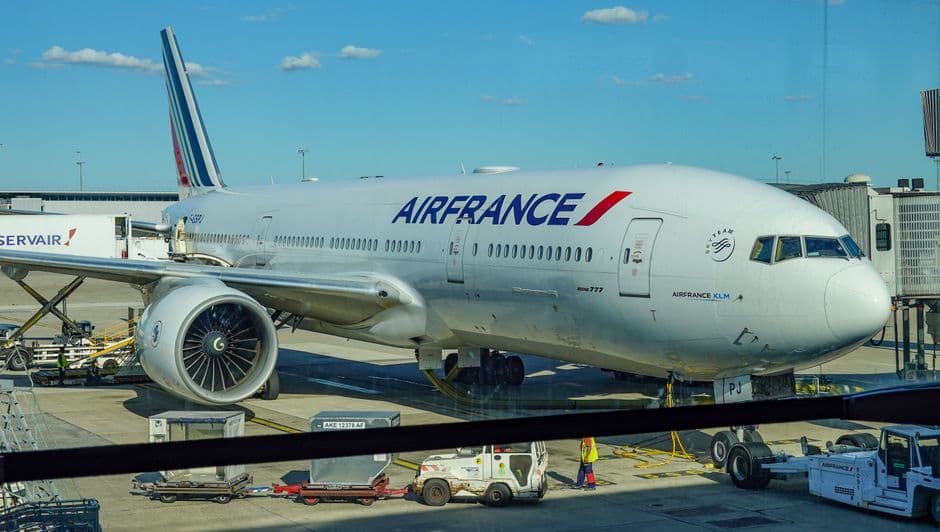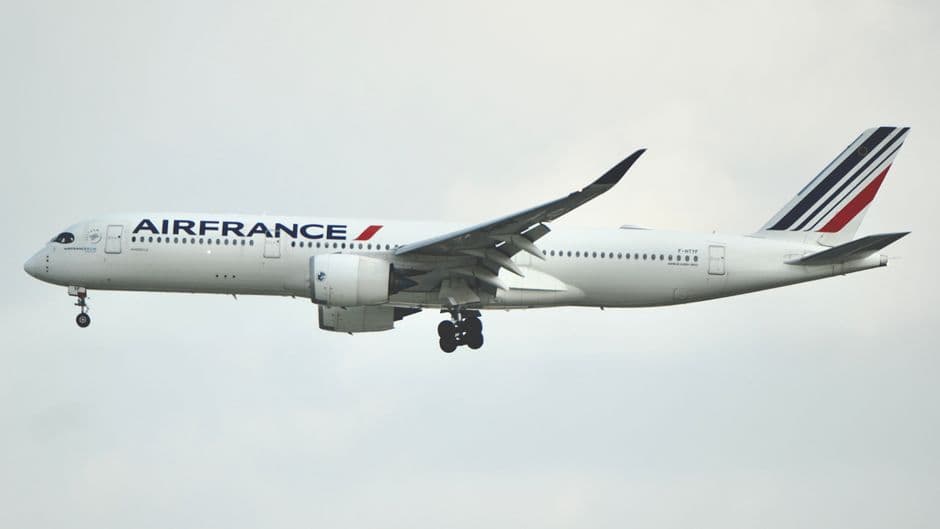
Air France now offers free Starlink WiFi on 60pct of its fleet. Here's how to connect, which planes have it, and what to do on older aircraft.
Air France WiFi is now free on most of its long-haul fleet, powered by SpaceX Starlink. You need a Flying Blue account (free to create) and nothing else.
- Provider
- SpaceX Starlink (rolling out)
- Panasonic (older aircraft)
- Cost
- Free with Flying Blue account
- Free to join
- Yes, at flyingblue.com
- First flight with Starlink
- 1 September 2025 (Paris to Hamburg)
- Fleet covered
- ~60pct as of June 2026 (target: 100pct by end of 2026)
- Devices
- Multiple simultaneously
- Network name
- AirFranceCONNECT
- Portal
- connect.airfrance.com
How to connect
- Put your phone, tablet, or laptop into airplane mode.
- Turn WiFi back on and select the AirFranceCONNECT network.
- Your browser opens automatically to connect.airfrance.com.
- Log in with your Flying Blue number and password.
- You're online, gate to gate, on every device you want.
No app to download, no credit card required. If you don't have a Flying Blue account yet, sign up for free at flyingblue.com before you board, it takes two minutes.
Which planes have Starlink right now
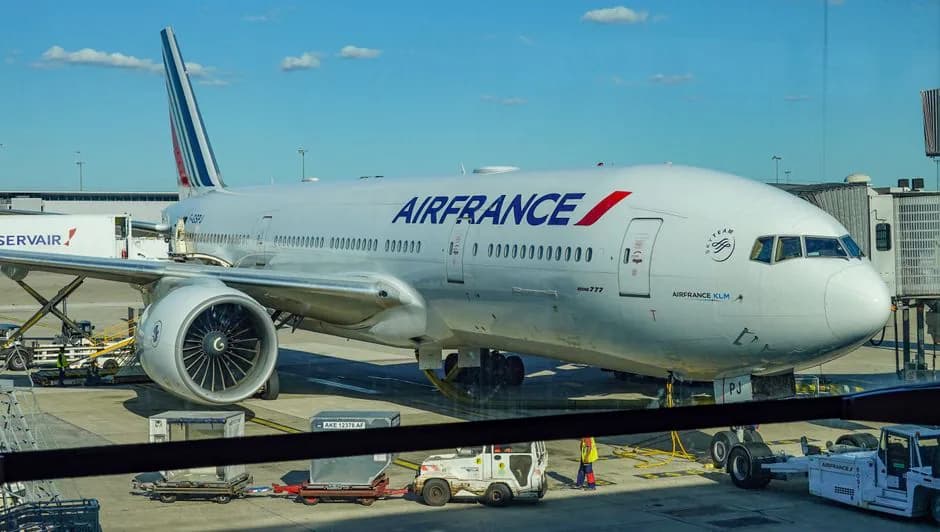
Air France launched Starlink on 1 September 2025, starting with an Embraer 190 from Paris to Hamburg. Rollout has been fast: by June 2026, roughly 60pct of the fleet is equipped, with full fleet coverage targeted by end of 2026.
Aircraft already receiving Starlink (June 2026 installation rates):
| Aircraft | Equipped |
|---|---|
| Boeing 777-300ER | ~90pct (28 of 31) |
| Airbus A220-300 | ~80pct (45 of 56) |
| Embraer E190 | ~80pct (24 of 30) |
| Airbus A350-900 | ~73pct (30 of 41) |
| Airbus A320 | ~11pct (3 of 28) |
Aircraft not receiving Starlink: the A321, 777-200ER, 787-9, E170, and any model retiring before spring 2027.
Before your flight, check your booking at airfrance.com or on the app. Aircraft type is listed on the seat map page, and SeatWiFi.com tracks individual tail numbers.
If your plane doesn't have Starlink
Older Air France aircraft run a Panasonic-based system with three paid tiers. Flying Blue members get the Message Pass for free (WhatsApp, iMessage, Messenger: text only, no photos or video).
For more than messaging, you pay:
| Pass | Short-haul | Medium-haul | Long-haul |
|---|---|---|---|
| Surf (browsing + email) | ~3 EUR | ~5 EUR | ~18 EUR or 6,000 miles |
| Surf (1 hour only) | - | - | ~8 EUR or 2,700 miles |
| Stream (video + browsing) | - | - | ~30 EUR or 10,000 miles |
Pay with Visa, Mastercard, Amex, PayPal, or Flying Blue miles. La Premiere and Flying Blue Ultimate members get the full Surf or Stream pass free even on older aircraft.
Check your tail number before you buy a pass
The same route can be operated by a Starlink-equipped aircraft one day and an older plane the next. If you're on a non-Starlink flight and need real internet (not just messaging), the Stream Pass at 30 EUR is the only option. On Starlink aircraft, everything is free. Confirming the tail number on SeatWiFi.com the day before saves you from paying unnecessarily.
What the connection is actually like
Starlink uses a network of low-earth orbit satellites, which means latency stays low enough for video calls, live streaming, and cloud apps. Think of it as a strong home broadband connection, not the slow, drop-heavy WiFi you may have experienced on older in-flight systems.
On Starlink-equipped Air France flights, passengers report being able to stream video without buffering, join Zoom calls, and work normally in cloud tools like Google Docs. The service runs from gate to gate, not just at cruising altitude.
On older Panasonic-equipped planes, speeds are noticeably slower, and streaming can be choppy even on the Stream Pass. The free Message Pass works reliably for text.
Air France ranks second globally (after United Airlines) in the total number of Starlink-equipped aircraft, and third in fleet percentage coverage as of mid-2026.