 Emergency Warnings Natural Disaster Protocols
Taiwan sits on one of the world's most active fault lines. Here's exactly what to do during a quake, where buildings are safe, and how alerts work.
Taiwan averages roughly 1,000 perceptible earthquakes per year. The island sits at the collision boundary between the Eurasian and Philippine Sea plates, making seismic activity not a matter of if but when. Visitors who understand the alert system, know which buildings are safe, and have practised the three basic responses will be far better positioned than those who freeze.
How Taiwan's Early Warning System Works
Taiwan's Central Weather Administration (CWA) operates one of the most sophisticated earthquake early warning networks in the world, with over 700 seismograph stations across the island.
When a quake registers magnitude 4.0 or above, the system broadcasts alerts via:
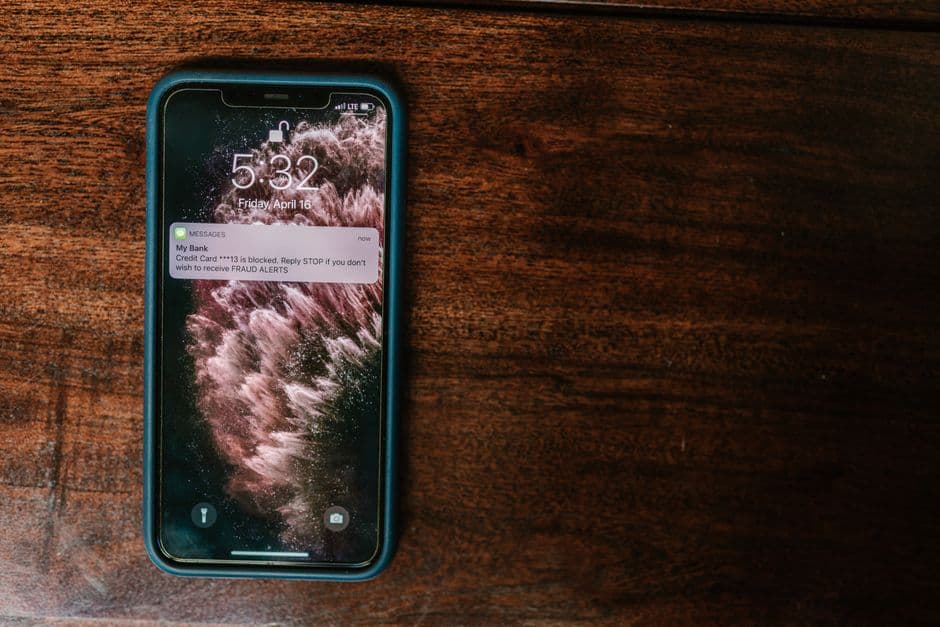
- PWS (Public Warning System): an unmistakable buzzing alarm pushed to every mobile phone on Taiwanese networks, including foreign SIM cards and roaming devices on local towers.
- Television and radio: mandatory interruption on all broadcast channels.
- Outdoor sirens: activated in high-risk zones.
The alert typically arrives 10 to 30 seconds before shaking begins for locations distant from the epicentre. That window is enough to move under a table or away from glass. Do not waste it.
Are Hotel and Tourist Buildings Safe?
Taiwan enforced a sweeping Building Code revision in 1999 following the 921 Jiji earthquake (magnitude 7.6, 2,415 deaths). Any structure built or fully retrofitted after that date must meet seismic resistance standards calibrated to a 475-year return-period ground motion, among the strictest in Asia.
What this means in practice:
- Post-1999 construction (the majority of major hotels, shopping malls, and tourist facilities in Taipei, Kaohsiung, and Tainan) is generally earthquake-resistant and will sway rather than collapse in a moderate quake.
- Pre-1999 low-rise buildings in older urban neighbourhoods and rural areas carry more risk. Look for the 「耐震標章」(Seismic Performance Certificate) placard near the entrance, some older buildings display retrofit certification.
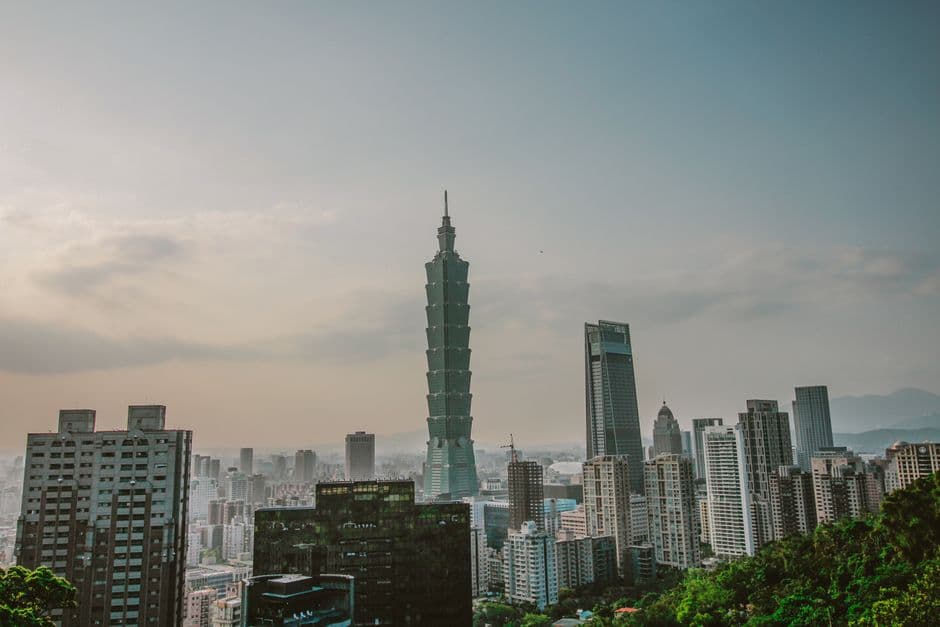
- Taipei 101 uses a 660-metric-ton tuned mass damper on floors 87–92, one of the largest in the world. The tower is designed to withstand a magnitude 7 quake at 100-year return period.
If you are staying in a heritage guesthouse or older structure in cities like Tainan or Hualien (which sits directly above the Longitudinal Valley Fault), ask the host about retrofitting. It is a normal question here.
The Three Responses: Drop, Cover, Hold On
The 「趴下、掩護、抓緊」(Drop, Cover, Hold On) protocol is drilled into every Taiwanese schoolchild. Follow the same sequence:
- Drop to hands and knees immediately. This prevents being knocked over and frees your hands to crawl.
- Cover your head and neck under a sturdy table or desk. If none is available, crouch against an interior wall away from windows, and cover your head with your arms.
- Hold on until the shaking stops completely. Quakes often come in waves, do not stand up too early.
Do not:
- Run outside during shaking (falling debris is the primary cause of injury).
- Stand in a doorframe (a 1950s myth; modern buildings offer no special protection there).
- Use elevators after a quake until inspected.
After the Shaking Stops
- Check for gas leaks (smell, hissing sound) and open windows before switching on lights if you suspect a leak.
- Expect aftershocks, in Taiwan's 2024 Hualien earthquake (magnitude 7.4), hundreds of aftershocks followed over 72 hours.
- Tune to ICRT 100.7 FM (Taiwan's English-language radio station) or follow the CWA official site (seismcenter.cwb.gov.tw) for updates.
- The 119 number covers fire, ambulance, and disaster rescue; 110 is police.
Download Before You Land
Install the free "地震速報" (Earthquake Early Warning) app by the CWA before arriving. It delivers alerts in both Chinese and English and works independently of carrier push systems.
Taiwan's frequency of seismic activity is exactly why its infrastructure and public awareness are so well developed. A visitor who knows the alert tone, picks a post-1999 hotel, and can execute Drop-Cover-Hold On is as prepared as any local.
 Emergency
 Emergency