 Emergency Warnings Natural Disaster Protocols
That jarring siren on your phone in Japan is J-Alert: a real earthquake warning. Here is what it means, how long you have, and exactly what to do.
The J-Alert Sound
A loud, rising siren plays on all phones simultaneously. It means a quake of significant magnitude is 10-30 seconds away. You will hear it even with your phone on silent: Japan overrides all mute settings for disaster alerts.
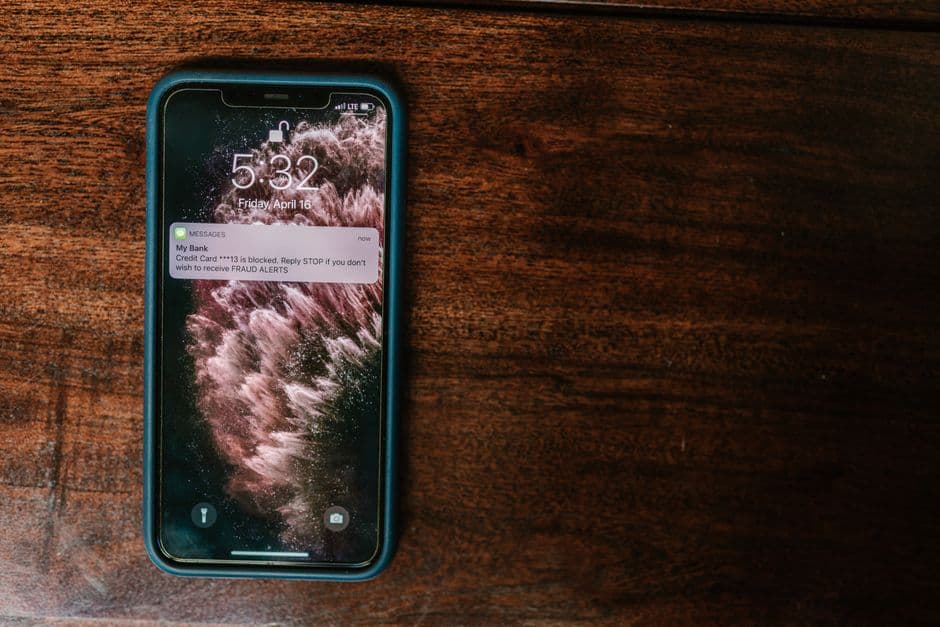
Your phone erupts with a sound unlike any notification you have heard before: a shrill, escalating warble accompanied by the word 地震 (jishin) flashing on screen. Every other phone in the room does the same thing at the same moment. This is Japan's Earthquake Early Warning system (緊急地震速報, Kinkyuu Jishin Sokuhou), broadcast nationally via J-Alert. You have between 10 and 30 seconds before shaking begins.
What J-Alert Actually Is
The Japan Meteorological Agency (JMA) operates a network of seismographs across the country. When sensors detect the fast-moving but harmless P-wave that precedes a quake, the system calculates the epicenter and estimated intensity, then pushes alerts to every carrier in Japan within seconds. Your phone receives it via Cell Broadcast: a one-to-many radio layer that bypasses internet and works even when networks are congested. No SIM registration is required. Any phone with a Japanese SIM (including tourist SIMs and pocket Wi-Fi dongles paired with a phone) will receive it.
The alert triggers at a predicted seismic intensity of 5-lower (震度5弱) or above on the Japanese scale, which corresponds roughly to significant shaking that can knock objects off shelves and make standing difficult.
The First 10 Seconds
When the alarm sounds, do not freeze. Run through this sequence immediately:
- Get under something sturdy. A heavy desk or a table is ideal. If nothing is available, crouch against an interior wall and cover your head and neck with your arms.
- Stay away from windows and exterior walls. Glass shatters. Exterior walls crack.
- Do not run for the exit. The urge to flee is natural and almost always wrong. Stairwells and doorframes are not safer than a table. Falling objects in corridors kill people who ran.
- If you are in a high-rise, the shaking will arrive later and last longer due to building flex. Drop immediately regardless.
- If you are outdoors, move away from buildings, power lines, and vending machines. Crouch low and protect your head.
- If you are driving, slow gradually and pull over to the left. Do not stop in a tunnel or on a bridge if you can avoid it. Turn on hazard lights and listen for radio guidance (NHK Radio 1, 594 kHz).
After the Shaking Stops
Do not assume it is over. Japan's most dangerous secondary threat is tsunami (津波, tsunami), which can follow offshore quakes within minutes. Check the JMA app or NHK World for a tsunami advisory before approaching any coastal area.
Fire is the second major risk. The 1923 Great Kanto Earthquake and the 1995 Kobe earthquake both killed thousands through post-quake fires, not the quakes themselves. If you smell gas, leave windows open, do not operate switches, and evacuate the building.
Locate the nearest designated evacuation site (指定避難場所, shitei hinanbasho): usually a school or park marked with a green sign featuring a running figure. City maps posted outside convenience stores typically mark these. Download Safety tips, the official Japan Tourism Agency disaster app, before you travel. It pushes English-language J-Alerts and maps evacuation centers.
What the Alert Does Not Mean
A J-Alert does not always mean catastrophic destruction. Japan issues hundreds of these warnings per year. Many resolve as moderate shaking that causes no damage. The system errs on the side of caution, and the Japanese public is calm and practiced. If locals around you crouch under desks and then stand up and return to work ten seconds later, follow their lead.
What J-Alert does mean, without exception: stop what you are doing and get low immediately. The cost of crouching unnecessarily is zero. The cost of ignoring it and being wrong is not.
One Practical Step Before You Land
Add the NHK World app and Safety tips (both free, both English) to your phone before you fly. Enable push notifications. These two apps together give you English-language earthquake alerts, tsunami warnings, and real-time evacuation guidance for the duration of your trip. That 30-second warning is only useful if you know what it means.

 Emergency
 Emergency