 Money
MoneyPlan payments in Taiwan with cash, foreign cards, ATMs and EasyCard, including where each method works best for travellers.
Taiwan is easy to pay for when you combine three tools: cash for small independent businesses, a foreign credit card for larger purchases, and an EasyCard for everyday transport. Trying to travel entirely cashless can work in parts of Taipei, but it becomes unreliable at night markets, small eateries and some local services.
Where cash is still essential
New Taiwan dollars are the dependable payment method for food stalls, traditional markets, small breakfast shops, independent taxis and smaller rural businesses. Cash also makes EasyCard top-ups straightforward. Keep notes and coins organised, because a day of MRT rides, convenience-store snacks and market food produces plenty of change.
Do not carry your whole trip budget at once. Withdraw or exchange a practical amount, then replenish it. Split cash between a wallet and a secure backup location, and keep a card separate in case a bag is lost.
Cards: increasingly useful, never universal
Hotels, department stores, international chains, larger restaurants and many attractions commonly accept Visa and Mastercard. Taipei Metro stations also advertise wide payment acceptance for ticketing and stored-value products. But a merchant accepting local mobile payment does not necessarily accept your overseas card.
Use a card with no foreign-transaction fee when possible. When a terminal offers to charge in your home currency, choose TWD unless you have a specific reason not to; letting the card issuer convert the transaction is usually clearer than accepting dynamic currency conversion. Keep the receipt until the charge appears in your banking app.
ATMs and withdrawals
International cards can work at bank ATMs, but network support and fees differ by issuer and machine. Look for Visa, Mastercard, Plus, Cirrus or UnionPay logos, use an ATM attached to a bank or in a busy convenience store, and try a second bank if the first declines the card. A decline can be a network or security issue rather than a lack of funds.
Tell your bank about travel if it requires a travel notice, check daily withdrawal limits, and bring a backup card from another network. Use a debit card for cash where possible: a credit-card withdrawal can be treated as a cash advance with interest and extra fees.
Add EasyCard to the mix
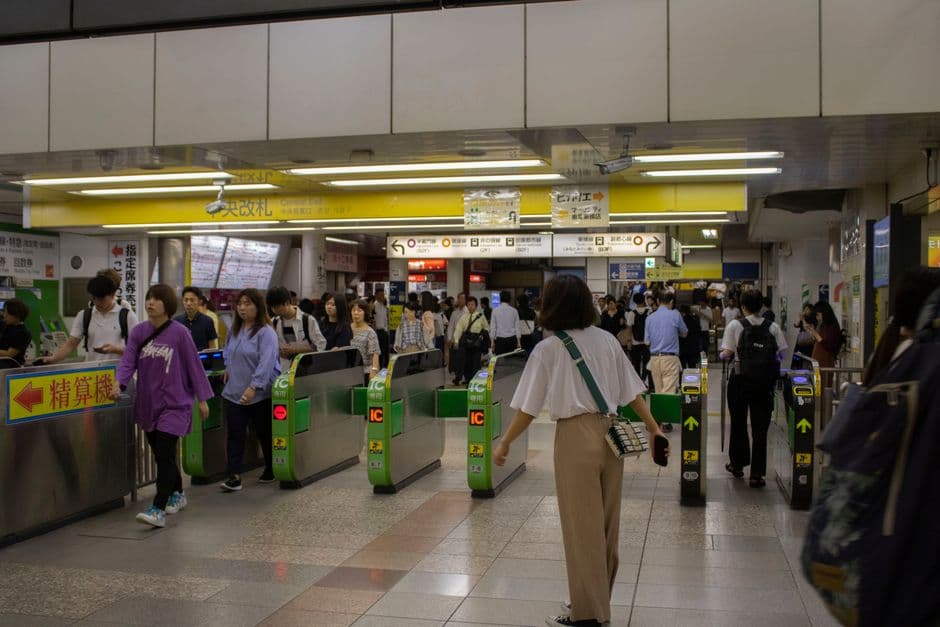
EasyCard is ideal for MRT, buses and participating convenience stores. It is stored value, not a replacement for every train ticket or merchant payment. The official EasyCard network includes major convenience-store top-up providers, which makes it a practical way to turn cash into quick small payments without repeatedly feeding machines with coins.
Use cash for the places that need it, card for larger secure purchases, and EasyCard for transport. That combination is more resilient than betting your holiday on a single app or card. Before departure, check your bank's current overseas fees and make sure at least one physical card works without relying on a phone battery.
At a taxi or small restaurant, ask about cards before ordering. That friendly question avoids searching for an ATM after the bill arrives. In Taiwan, carrying cash is not old-fashioned: it is the reliable backup for the independent places visitors often enjoy most.
 Money
Money