
 Smoking Vaping Alcohol Regulations
Where you can legally smoke in South Korea, how to find designated zones in Seoul, and the fines you face for lighting up in the wrong place.
South Korea enforces one of the tightest indoor smoking bans in Asia. Under the National Health Promotion Act (국민건강증진법), virtually every enclosed public space, restaurants, cafes, bars, PC bangs, karaoke rooms (norebang), shopping malls, subway stations, and hotel lobbies, has been smoke-free since 2015. Lighting up indoors carries a fine of up to ₩100,000 (roughly USD 75), and inspectors do check.

The Indoor Ban: What It Covers
The law applies to any premises with a floor area of 150 m² or more that serves food or drink. In practice, enforcement has pushed nearly all hospitality businesses to go fully smoke-free regardless of size, since the paperwork burden for maintaining a licensed smoking room is steep. Even convenience stores, CU, GS25, 7-Eleven, prohibit smoking inside.
What remains smoke-free by law:
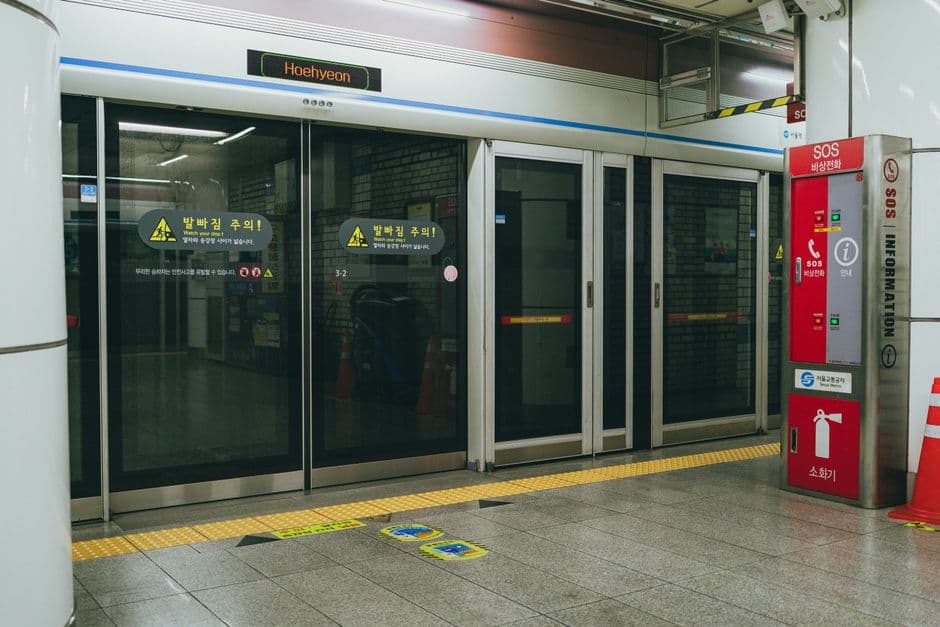
- All subway stations and platforms (Seoul Metro, Busan Metro, all lines)
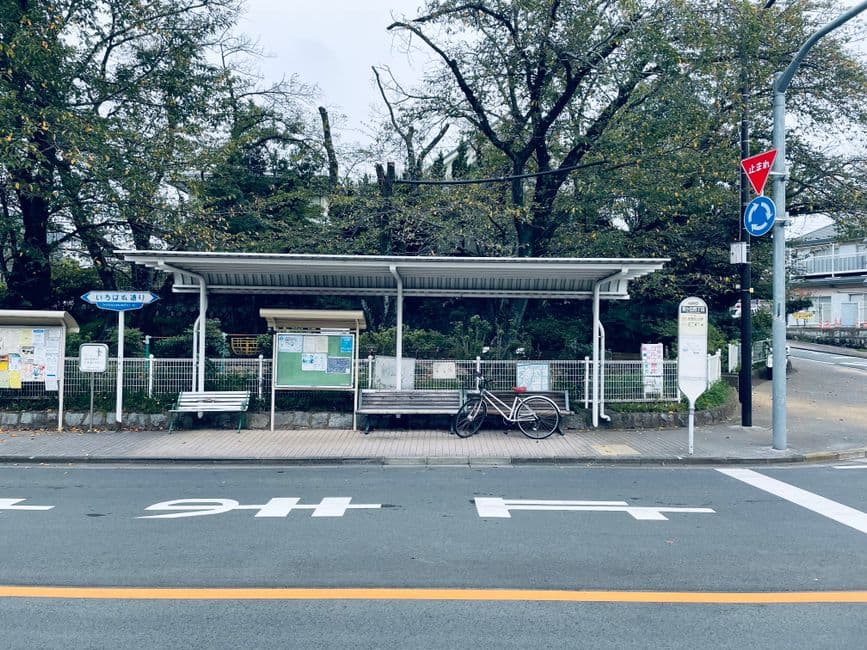
- Bus shelters and taxi stands
- Schools, hospitals, and government buildings within a 10-metre perimeter
- Public parks in designated non-smoking zones (marked with blue circular signs)
- Outdoor seating attached to a café or restaurant (if the operator has posted signage)
Finding Legal Smoking Zones
Dedicated outdoor 흡연 구역 (heupyeon guyeok, smoking zones) are your only reliable option. They appear as grey or transparent booths, often fitted with a ventilation fan, on busy commercial streets. In Seoul, concentrations are highest in:
- Gangnam Station exits 9–11: three booths within 200 metres
- Myeongdong shopping district: two enclosed zones on the main pedestrian spine
- Hongdae (Hongik University) Street: unmarked open zones near exit 9
- Yeouido IFC Mall: basement-level booth near the CGV cinema entrance
- Indoor smoking fine
- up to ₩100,000
- Outdoor zone fine
- up to ₩50,000
- Designated zone sign
- 흡연 구역 (blue or grey)
- E-cigarette status
- same rules as cigarettes
- Hotel rooms
- strictly non-smoking (fines apply)
Most zones are marked on Naver Maps (네이버 지도), search "흡연구역" near your location. Google Maps coverage is inconsistent; Naver is the authoritative local source. The KakaoMap app also tags them as "흡연 부스."
E-Cigarettes and Heat-Not-Burn Devices
IQOS, glo, and lil (KT&G's Korean brand) are widely used in South Korea, KT&G holds roughly 40 percent of the domestic market. Legally, heat-not-burn devices fall under the same rules as conventional cigarettes. You must use them only in designated smoking zones or legal outdoor areas. The same ₩100,000 fine applies.
Disposable vapes are sold at convenience stores for around ₩6,000–₩8,000 per device. Importing nicotine e-liquid in volumes above 20 ml without prior approval from the Ministry of Food and Drug Safety is technically prohibited, though enforcement at the border is inconsistent.
Hotel Rooms and Accommodation
Every major hotel chain, Lotte, Shilla, Marriott, Ibis, operates 100 percent non-smoking rooms as standard. Smoking in a non-smoking room triggers a cleaning surcharge of ₩100,000–₩300,000 billed directly to your card. A handful of motels (모텔) in older districts still designate specific floors as smoking-permitted; ask explicitly at check-in if that matters to you.
Street and Outdoor Etiquette
Even where no legal prohibition exists, avoid smoking while walking. Standing still near a 흡연 구역 sign, even if you are technically just outside it, draws polite but firm correction from passersby. Koreans read lingering near a designated zone as an implicit agreement to use it.
Quick etiquette check
If you cannot see a grey booth or a blue 흡연 구역 sign, assume you are in a non-smoking area. Step into a convenience store and ask: "흡연 구역이 어디에 있어요?" (Where is the smoking zone?), staff will point you in the right direction.
Disposal matters too: street-level ashtrays are rare outside designated zones. Carry a portable pocket ashtray (휴대용 재떨이), sold at convenience stores for under ₩2,000, to avoid littering fines of up to ₩50,000.

 Smoking

 Smoking