 Luggage Restrictions Transit Baggage
A practical guide to Japan coin-locker sizes, typical prices, payment methods and reliable options when every locker is full.
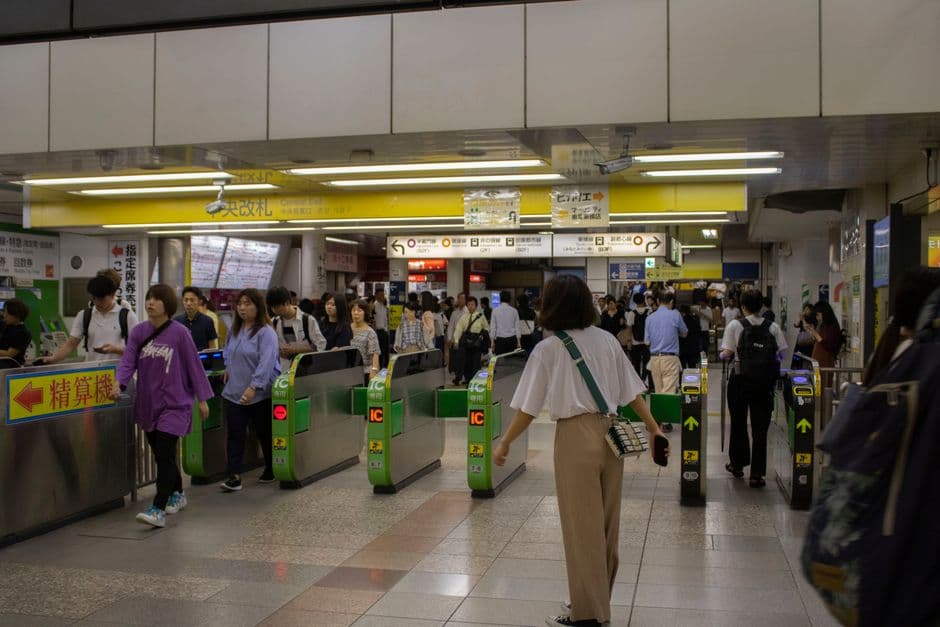
Japan's coin lockers are brilliant for a day bag, but large lockers sell out first and cannot be treated as guaranteed luggage storage. Use them for a short sightseeing gap, not as the foundation of a tight connection. At major stations, arrive early, know the size of your case, and have a delivery or staffed-storage backup ready.
Sizes: measure the suitcase, not its label
Locker dimensions vary by operator and station. The usual labels are small, medium, large and extra-large, but a “large” locker in one station may not match another. A current Kintetsu station guide gives a useful range: small lockers are roughly 26–33 cm high, medium 40–57 cm, large 64–87 cm and extra-large about 102–114 cm. Width and depth also vary, so a hard-shell suitcase can fail even when its height seems right.
Small lockers are for handbags and compact backpacks. Medium lockers suit a cabin bag in some stations. Large and extra-large lockers are the realistic options for wheeled checked luggage, yet they are also the rarest. Do not force a suitcase into a door or leave it beside the bank: unattended bags can be removed and can block passengers.
Prices and payment
Typical daily fees are about ¥400–¥600 small, ¥400–¥700 medium, ¥600–¥900 large, and ¥800–¥1,000 extra-large, with premium locations and smart lockers sometimes charging more. Read the screen before paying. Many lockers charge by calendar day rather than a rolling 24-hour period, so luggage left across midnight may incur another day.
Older machines may require ¥100 coins. Smart lockers increasingly accept transport IC cards or cardless payment, but do not assume every bank does. Keep some cash and photograph the locker location, number and receipt. The official Kintetsu locker guide shows why station-specific dimensions and prices matter.
When every locker is full
Try the following in order instead of circling the same concourse:
- Check a different station entrance, department-store basement or nearby connected station.
- Search for staffed baggage storage or a tourist information counter; these can accept sizes lockers cannot.
- Ask your hotel to hold bags before check-in or after check-out. Confirm the policy in advance.
- Use a luggage-storage booking service only after checking its opening hours, insurance terms and exact drop-off point.
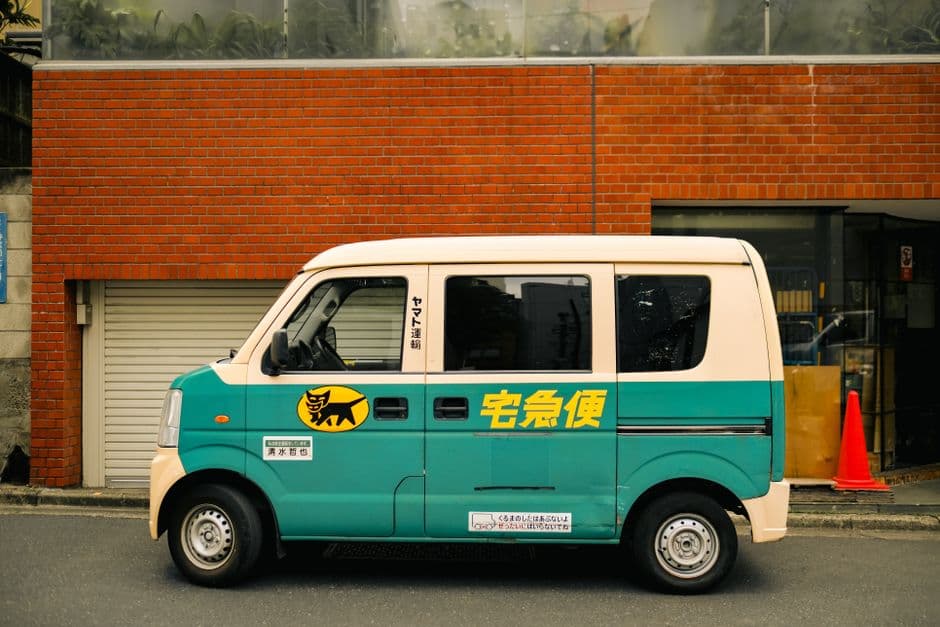
- Send larger cases ahead through a hotel or convenience-store counter using a luggage-delivery service. Allow at least a day in many cases.
For a same-day hotel move, delivery is often calmer than wrestling a 28-inch case through rush hour. Keep medication, passports, valuables, chargers and one change of clothes with you; delivery and lockers are not the place for essentials.
Practical locker etiquette
Empty your pockets before locking, especially coins, hotel keys and rail tickets. Close the door fully, complete payment, and check which retrieval method the machine issued: PIN, printed slip, QR code or IC card. If a payment fails, do not walk away with the door locked halfway; call the station attendant.
Most lockers have maximum storage periods. Luggage left too long can be removed, opened under the posted conditions and eventually disposed of, with fees charged. The best strategy is simple: pack light enough for the transport you will use, store early, and keep a second option ready. In Japan, lockers are convenient infrastructure, not a reservation system.
 Luggage