 Scams Neighborhood Traps Distractions
Nightclub bait-and-switch fees and fake designer goods are the two most costly traps for tourists in Seoul. Here's exactly how to spot and dodge both.
Two scams account for the vast majority of complaints filed by tourists at Seoul's tourist police booths: inflated nightclub cover charges and counterfeit luxury goods. Both are concentrated in the same two or three neighbourhoods. Knowing how each scheme works before you arrive is the cheapest insurance you can buy.
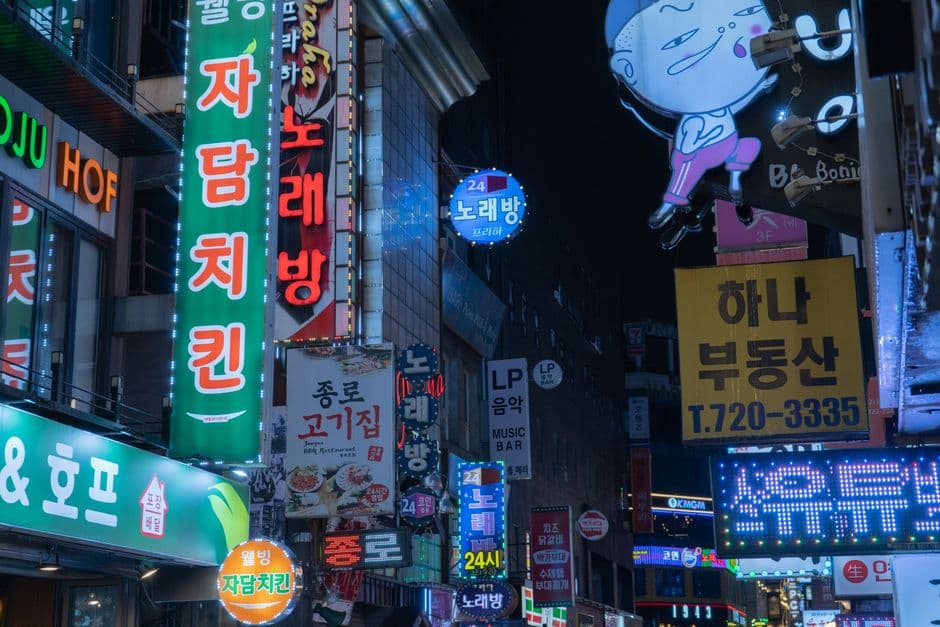
The Nightclub Cover-Charge Bait-and-Switch
The setup is almost always the same. A promoter, usually a young man in English outside Neon or Octagon in Gangnam, or the clubs along Itaewon's main strip, approaches foreign-looking tourists and promises free entry or a "special foreigner price" of ₩10,000. Once inside, a staff member at the bar or a second promoter presents a bill that bears no resemblance to what was said at the door: ₩50,000–₩80,000 per person for a mandatory table minimum, or a retroactive "VIP area surcharge" you were steered into without being told.
What to do before you enter any club:
- Ask for the cover charge in writing. Pull up the venue's official KakaoTalk channel (most major clubs have one) and screenshot the published price.
- Confirm explicitly whether the cover includes drinks or is a pure entry fee.
- Never follow a street promoter straight to a side entrance or "staff door", that bypasses the official box office where prices are posted.
- If you are handed a bill that does not match what you agreed to, do not pay and do not leave. Call the Tourist Complaint Center at 1330 (24-hour, English-speaking) from inside the venue. The operator can speak directly to staff.
Under Korea's Consumer Protection Act (소비자기본법), verbal agreements for a stated price are enforceable. Tourist police (관광경찰) patrol Itaewon and Gangnam on weekend nights; their station is at Itaewon Station Exit 3.
Never hand over your card unsealed
Some clubs run a secondary scam: they ask for your card "to hold the tab" and return it only after charging the inflated amount. Keep your card in hand until you see the final itemised receipt.
Counterfeit Goods: Where They Appear and What the Law Says
Namdaemun Market, Dongdaemun (specifically the underground corridors beneath Doota! and Migliore), and Itaewon's Hooker Hill side streets are the three epicentres of counterfeit trade. Vendors openly display near-perfect replicas of Louis Vuitton, Gucci, Rolex, and Canada Goose at prices that hover around ₩30,000–₩80,000 per item.
The risk is not just moral, it is legal and financial:
- Korean Customs (관세청) confiscates counterfeit items at exit. You will not be compensated for the purchase price.
- Your home customs authority may impose fines. In the EU, importing counterfeits for personal use can result in goods destroyed and a written warning; repeat offences carry fines. In the US, CBP can seize goods and issue civil penalties up to the MSRP of the genuine article.
- Some vendors operating in grey zones also sell genuinely second-hand authenticated pieces alongside fakes, mixing them deliberately to muddy the transaction. If a price seems plausible for a genuine item, it almost certainly is not the genuine article in this context.
How to shop safely for fashion:
- Stick to Lotte Department Store (Myeongdong or Jamsil), The Hyundai Seoul (Yeouido), or brand flagship boutiques on Dosan-daero in Apgujeong for genuine luxury goods.
- For streetwear and independent Korean fashion, Hongdae's Aha-Roo-Mok alley and Seongsu-dong offer authentic local brands at honest prices.
- Tax refunds on genuine purchases above ₩15,000 per store are available via the Global Blue or Korea Tax Free kiosks at Incheon Airport, keep your receipts.
A Note on the "Art Student" Approach
A softer hustle targets tourists near Gyeongbokgung and Insadong: a friendly local who claims to be an art student invites you to their "gallery show." The gallery sells mass-produced prints at ₩150,000–₩300,000 under the guise of supporting emerging artists. There is no legal violation here, but the pressure is real. A polite "안괜찮아요" (I'm okay, no thanks) ends the conversation without confrontation.
The 1330 Korea Tourism Helpline handles all of the above complaints in English, Chinese, and Japanese, save the number before your first night out.
 Scams Neighborhood
 Scams Neighborhood