 Connectivity Esims Networks
Prepaid SIM, eSIM, or pocket WiFi in South Korea? Compare KT, SK Telecom, and LG U+ tourist plans with exact prices and where to buy.
South Korea has some of the fastest LTE and 5G networks on earth, and getting connected takes under ten minutes if you know which option fits your trip before you land.
Prepaid SIM Cards: The Cheapest Option for Solo Travelers
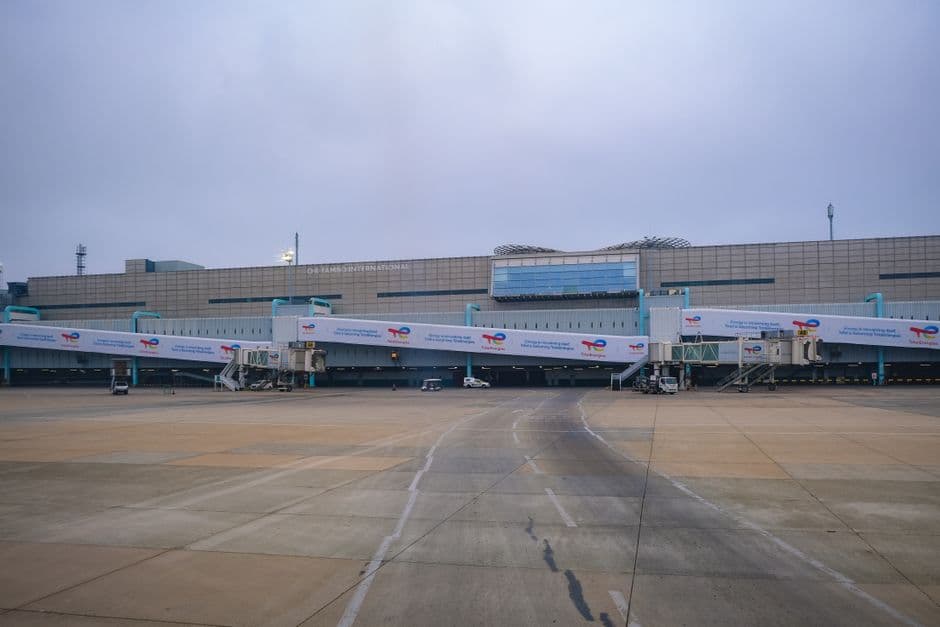
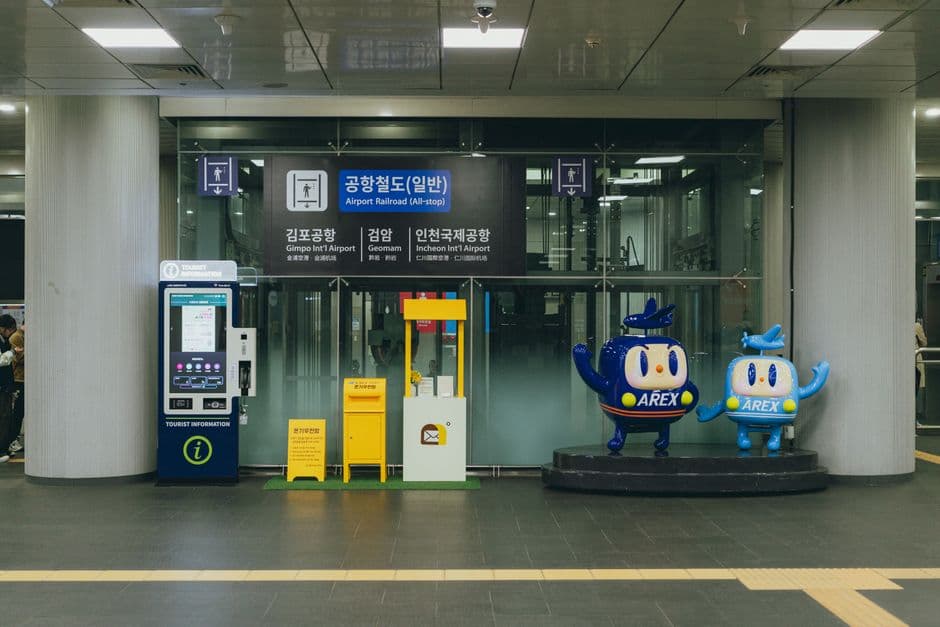
All three major operators, KT (Olleh), SK Telecom, and LG U+, sell tourist SIM cards at Incheon (ICN) and Gimpo (GMP) airports, in dedicated booths past customs. You can also buy them at convenience stores (GS25, CU, 7-Eleven) and at Hongdae or Myeongdong tourist counters in Seoul.
KT's Tourist SIM is the most widely available and the easiest to activate:
- 10-day / 5 GB: ₩16,500 (~$12)
- 20-day / 10 GB: ₩22,000 (~$16)
- 30-day / 20 GB: ₩33,000 (~$24)
- All plans include unlimited domestic calls to Korean numbers and free roaming on calls home to select countries.
After your data cap, speeds throttle to 400 kbps, usable for maps and messaging, but not streaming. SK Telecom's T Roaming SIM and LG U+'s Data SIM sit within the same price band and use identical throttle rules.
One hard constraint: tourist SIMs require a foreign passport for registration. The counter staff scan it on the spot. No passport, no SIM.
eSIMs: The Right Call If You Keep Your Number Active
eSIM availability in Korea has expanded sharply. KT and SK Telecom both offer eSIM plans directly, but the most traveler-friendly path is through a third-party reseller such as Airalo, Roamless, or Klook.
Typical Airalo Korea eSIM pricing (as of mid-2026):
- 1 GB / 7 days: ~$5
- 5 GB / 30 days: ~$13
- 20 GB / 30 days: ~$28
Setup is entirely remote: scan the QR code, install the profile, activate on arrival. Your home SIM stays in the phone and available for calls and SMS, useful if you need to receive two-factor codes on your regular number.
Device check first. Your phone must support eSIM (iPhone XS and later, most flagship Androids from 2020 onward) and be carrier-unlocked. If you bought your handset on a carrier plan in the US, check unlock status before you travel, some US carriers lock eSIM profiles for the first 60 days after purchase.
- Network coverage
- LTE 99pct of South Korea
- 5G in all major cities
- eSIM compatible phones
- medical) · 112 (police)
- Airport SIM counters
Pocket WiFi: Best for Groups and Multi-Device Travelers
Pocket WiFi routers (called "egg" devices locally, a nod to the egg-shaped original) let multiple devices share one data connection. They make sense when:
- You are traveling as a family or pair and want to avoid buying two SIMs.
- You carry a tablet, laptop, or camera with WiFi.
- You need a device to hand to a travel companion who uses a locked phone.
KT Olleh Egg and SK Telecom T Egg can be rented at airport counters or pre-booked online through their English-language sites. Typical rates:
- Daily unlimited plan: ₩9,900/day (~$7) capped at 2 GB/day at full speed, then throttled.
- Weekly flat: ₩55,000 (~$40) for 7 days with a 10 GB bucket.
A refundable deposit of ₩100,000 (~$73) is taken against the device. You return the router at the airport counter or via a prepaid return envelope left in your hotel room, both KT and SK include one in the rental kit.
Battery reality check: most egg devices last 8–10 hours on a charge, which covers a full day of sightseeing. Carry the USB-C cable in your daypack; every convenience store in Korea sells compatible cables for around ₩5,000.
Which Option to Choose
| Situation | Best pick |
|---|---|
| Solo traveler, unlocked phone with eSIM | eSIM via Airalo, cheapest, zero pickup queue |
| Solo traveler, physical SIM only | KT Tourist SIM at Incheon counter |
| Two or more people sharing data | Pocket WiFi egg, cheaper per device |
| Need a Korean phone number | Physical SIM only, eSIM gives a data-only profile |
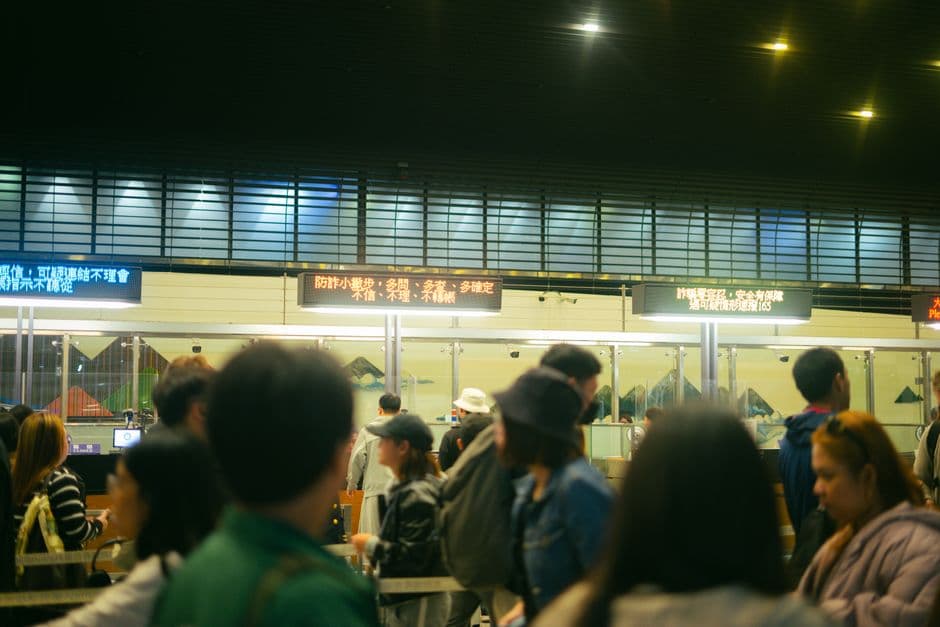
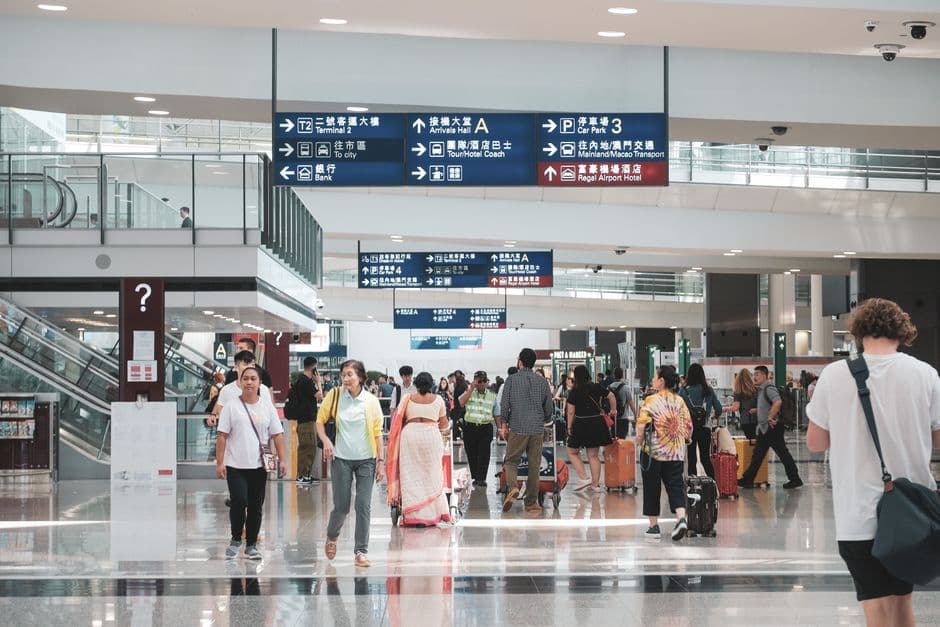
The airport SIM counters at Incheon are staffed around the clock at both Terminal 1 and Terminal 2. If you land at 2 a.m., you will still be able to walk out connected.
 Connectivity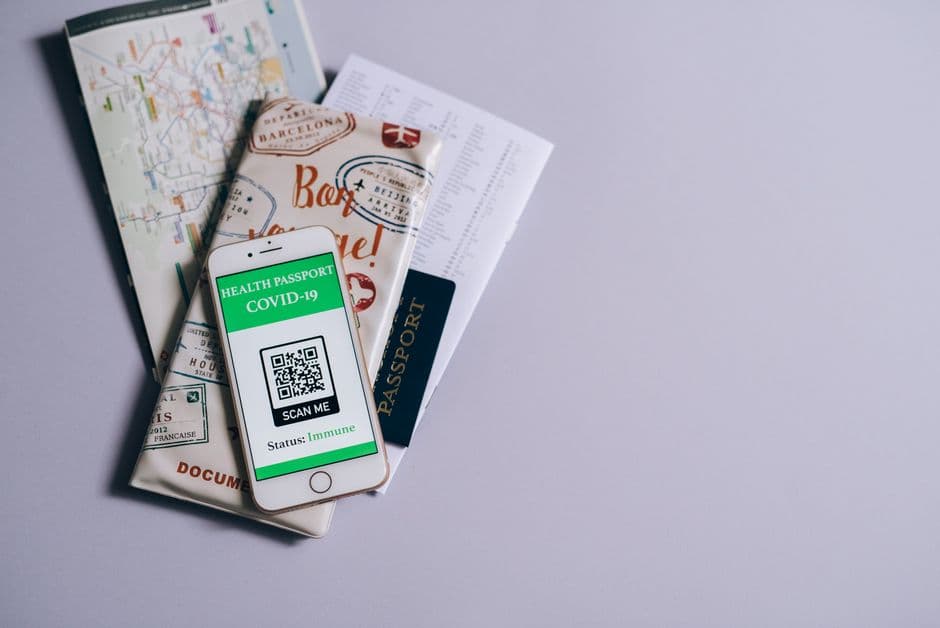
 Connectivity