 Money
MoneyHow to pay in Japan: when to use cash or cards, which ATMs accept foreign cards, and how to avoid payment surprises.
Japan is far more card-friendly than it used to be, but cash is still essential for a smooth trip. Use a no-foreign-fee card for hotels, department stores and larger restaurants, then keep enough yen for small eateries, markets, temple donations, rural transport and the occasional card-only-in-Japan surprise.
Carry cash without carrying too much
Yen notes are normal for everyday purchases, and coins accumulate quickly. A sensible approach is to withdraw a moderate amount after arrival, then top up as you go. Do not rely on exchanging a large pile of foreign currency at a hotel, and do not wait until you have no cash left before looking for an ATM.
Cash is particularly useful for independent restaurants, small bars, food stalls, local buses, older ticket machines and lockers. Cards are common at chains, convenience stores, supermarkets, hotels and major attractions, but acceptance varies by branch. Tap-to-pay is growing, yet a physical chip-and-PIN card remains the safer backup.
Where foreign cards work
The most dependable options for overseas-issued cards are Seven Bank ATMs in 7-Eleven stores and Japan Post Bank ATMs. Japan Post Bank confirms that its international ATM service accepts eligible overseas cash and credit cards, while JNTO also points visitors to Japan Post and Seven Bank for withdrawals. Look for network logos, choose an ATM in a staffed or well-lit location, and test your card before travelling outside a major city.
Use a debit card when possible. A credit-card withdrawal can be treated as a cash advance by your issuer, with interest and fees. Check your bank's overseas withdrawal fee, daily limit and fraud settings before departure. Carry a second card from a different network and keep it separate from the first.
At the ATM: choose yen
An ATM may offer to show the transaction in your home currency. That is dynamic currency conversion. In most cases, choose to be charged in JPY, then let your own bank or card network convert the amount. This makes the exchange rate and fees easier to compare and avoids accepting an ATM operator's conversion without checking it.
Keep the receipt until the transaction appears in your account. If the machine declines a card, try a Seven Bank or Japan Post ATM before assuming the card is unusable. A decline can reflect the network, card type, limit or a bank security block rather than a problem with your account.
Make cards work in shops
Tell the cashier whether you want one payment if asked about instalments. Watch the terminal's currency and confirm the amount before approving. Many Japanese terminals still expect the card to be inserted rather than tapped, and a signature can occasionally be requested. Do not expect foreign cards to load every domestic mobile wallet or transit-card service.
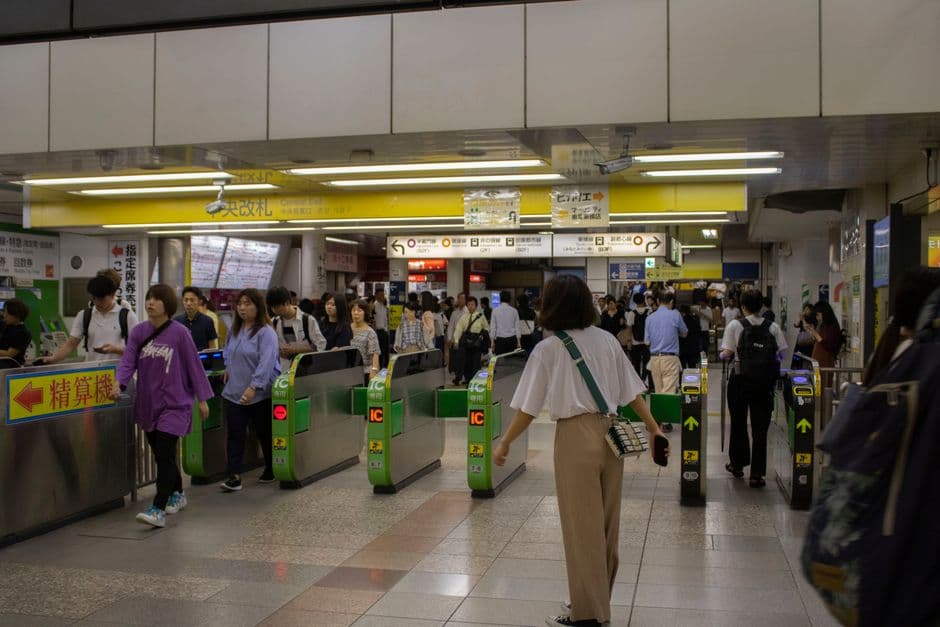
An IC transit card is useful for small transport and convenience-store payments, but it does not replace a normal payment card or cash. Keep a little cash even after buying one.
Check the current JNTO card guidance and Japan Post Bank international ATM information before travel. Hours and supported networks can vary, especially during Golden Week and New Year. The best payment setup is two cards, accessible yen and a plan for a declined transaction.
 Money
Money