 Scams Neighborhood Traps Distractions
Tourists in Kabukicho and Roppongi lose tens of thousands of yen to hostess bar drink traps. Here is exactly how the scam works and how to walk away.
A friendly stranger outside a Kabukicho alley offers you one free drink and a chance to talk to "beautiful girls." Forty-five minutes later, a bill appears for 80,000 yen (roughly $530 USD). This is the hostess bar drink trap, and it catches thousands of tourists every year in Tokyo, not because they are careless, but because the scam is engineered to look like hospitality until the moment it is not.
The Classic Kabukicho Setup
A friendly tout offers "one free drink." Inside, each drink costs 5,000-15,000 yen and you are charged for every drink the hostess has. A 45-minute visit can cost 80,000 yen. Always ask for a full written menu with prices before entering.
How the trap is constructed
Touts, called キャッチ (kyacchi) in Japanese, work the streets of Kabukicho (Shinjuku), Roppongi, and Susukino (Sapporo) on commission. Their script is smooth and usually in fluent English: "No cover charge tonight, first drink free, come see." This is the hook.
Inside, several things happen in quick succession:
- A hostess is seated with you immediately. You did not ask for this. She will order drinks for herself without your explicit consent.
- The menu, if it appears at all, lists drinks at 5,000–15,000 yen each. The "free" drink you were promised covers one item, yours, and nothing else.
- A "table charge" or "seat fee" (席料, sekiryou) of 10,000–30,000 yen applies per person, disclosed verbally in fast Japanese or buried in fine print.
- Time pressure is applied. Staff linger near the exit. If you try to leave before the hostess is "done with her drink," you may be told you must wait, and order again.
The legal grey area is deliberate. Japan's Act against Unjustifiable Premiums and Misleading Representations technically covers false advertising, but enforcement against small entertainment venues is rare. Police involvement typically results in negotiation, not refunds.
The neighbourhoods to know
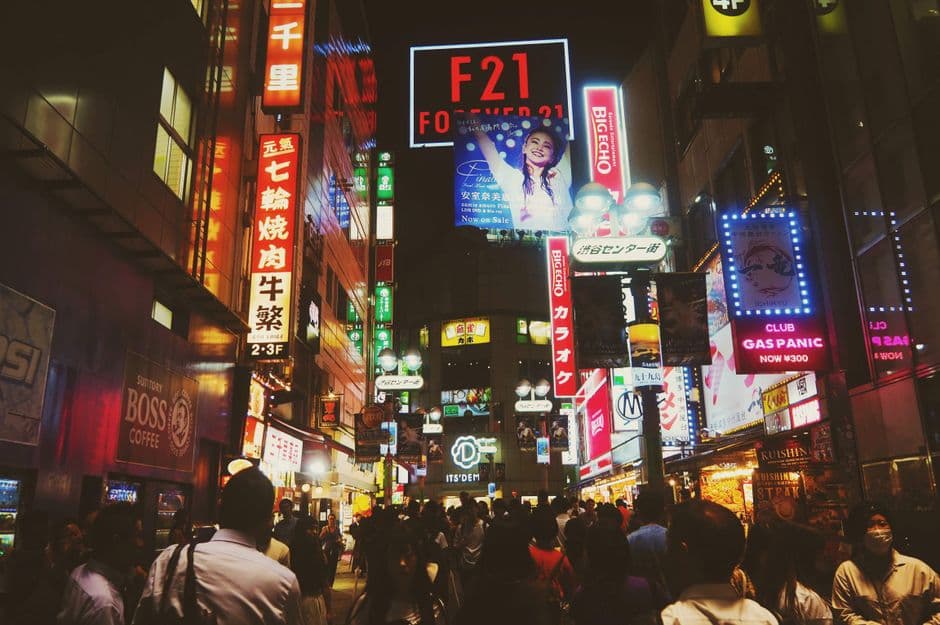
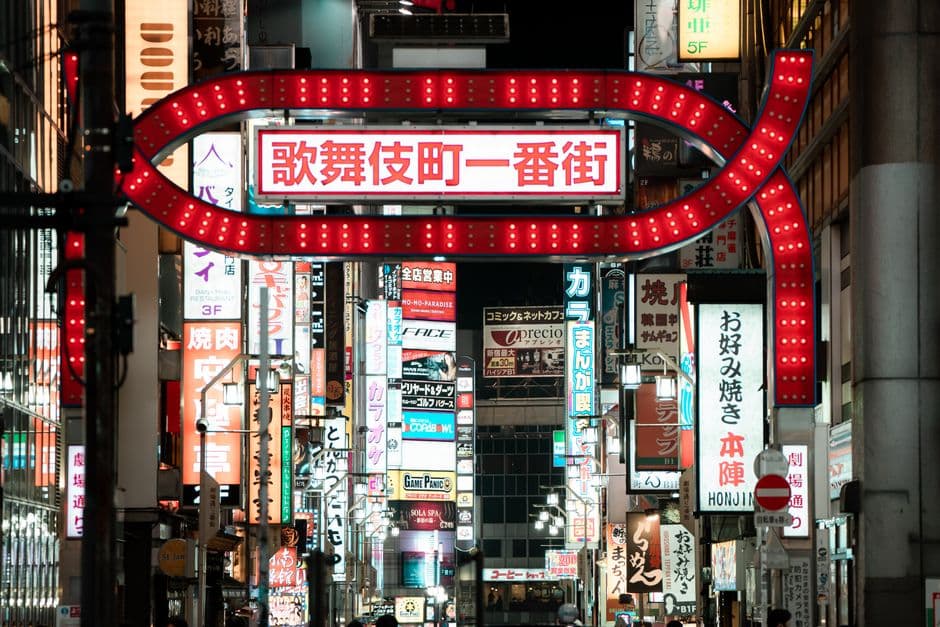
Kabukicho (Shinjuku, Tokyo) is the epicentre. The area around Ichibangai and the streets north of Toho Cinema are the highest-density zones. Not all venues here are scams, legitimate bars and clubs operate on the same streets, but the tout density is highest here after 21:00.
Roppongi targets a more international clientele. Touts here speak excellent English and the pitch often involves "international cocktail bar" or "girls from Brazil, Russia, Colombia." The mechanics are identical.
Practical rules that protect you
Never follow a tout. No legitimate bar in Japan needs someone standing on the street recruiting customers. If someone approaches you to invite you in, walk past.
Ask for the written price menu before you sit down. Say: "メニューを先に見せてください" (Menyuu wo saki ni misete kudasai: "Please show me the menu first"). A legitimate venue will hand it over. A scam venue will deflect, delay, or show you a menu that omits the hostess-drink charges.
Understand the two-charge structure. Even if you accept a quoted drink price, ask explicitly: "Is there a table charge? Will I be billed for the hostess's drinks?" Get the answer in writing or leave.
Pay attention to the hostess's drink pace. In a drink-trap venue, the hostess will signal for refills faster than any human naturally drinks. Each refill is billed to you.
If the bill arrives and it is inflated: Stay calm. Ask for an itemised receipt (明細書, meisaisho). Cross-reference every line. You are legally entitled to a receipt. If staff become aggressive, call 110 (police), not to arrest anyone, but because the presence of a call often causes the bill to drop dramatically. The Tokyo Metropolitan Police operates a foreign-language consultation line: 03-3503-8484.
What legitimate hostess clubs look like
Genuine kyabakura charge clearly: a posted door fee (usually 3,000–6,000 yen per hour including a set number of drinks), a visible menu, and no street touting. They exist and are a normal part of Japanese nightlife. The difference between a legitimate venue and a scam is transparency at the door, not the concept itself.
- Emergency police
- 110
- Tokyo foreign consultation
- 03-3503-8484
- Typical scam bill
- 50,000–150,000 yen
- Safe rule
- No menu shown = walk away
The drink trap works because it exploits social pressure, language barriers, and the Japanese cultural norm of not making scenes. Knowing the mechanics in advance removes the trap's teeth entirely.
 Scams Neighborhood
 Scams Neighborhood