 Accessibility Dietary Nuances
Hidden pork broth, anchovy stock, jeotgal, Korea's plant-based minefield explained with real strategies for vegetarians and vegans.
Korean cuisine is built on fermented, umami-rich foundations that are almost never fully plant-based by default. Doenjang (fermented soybean paste), ganjang (soy sauce), and kimchi are staples, but most commercial kimchi is fermented with jeotgal (salted seafood paste), typically salted shrimp (saeujeot) or anchovy. The broth in nearly every hot pot, soup, and rice dish is built on 멸치육수 (myeolchi yuksu, dried anchovy stock) or 사골국물 (sagol gukguk, beef bone broth). Understanding this is the single most valuable piece of knowledge before you land.
Mostrar isto em Korean:
Where Broth Is the Invisible Enemy
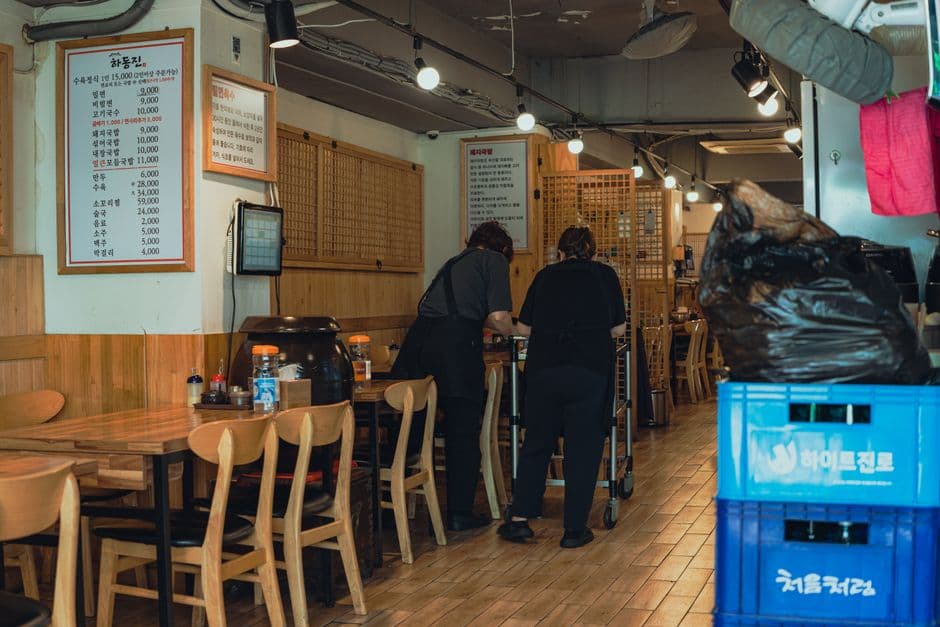
Street stalls and gimbap chains (Kimbap Cheonguk, Gimbap Nara) use anchovy stock almost universally. Even dishes that look vegetarian, doenjang jjigae (soybean paste stew), sundubu jjigae (soft tofu stew), and miyeok guk (seaweed soup), are almost always made with animal-based stock in restaurants outside of specialist venues. Asking "고기 없이 해주세요" (gogi eopsi haejuseyo, "without meat, please") removes visible cuts of pork or beef but rarely changes the broth.
The safest phrase for true vegetarians is: "저는 채식주의자입니다. 고기, 해산물, 멸치 육수 없이 만들어 주실 수 있나요?" ("I am vegetarian. Can you make it without meat, seafood, or anchovy broth?"). Carry a laminated card in Korean, apps like HappyCow and Google Translate won't save you mid-order.
Finding Food That Actually Works
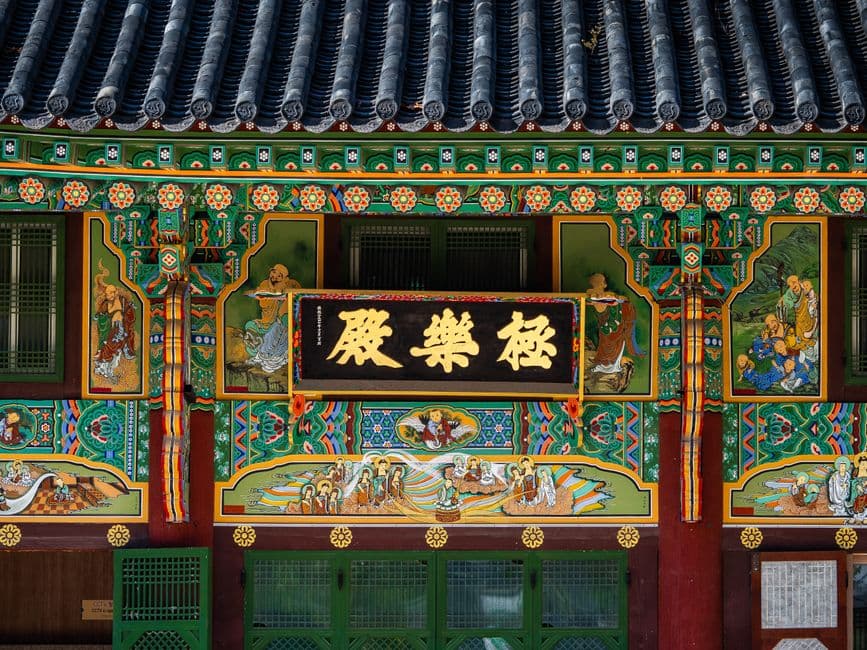
Temple food (사찰음식, sachal eumsik)* is the gold standard. The Buddhist culinary tradition excludes all meat, fish, and the "five pungent roots" (garlic, onion, leek, chives, green onion). Restaurants like Balwoo Gongyang (inside Jogyesa Temple, Seoul, around ₩40,000–₩75,000 per set menu) serve kaiseki-style temple meals that are fully certified vegan-friendly. Book ahead, lunch slots sell out.
In Seoul, Itaewon and Hongdae have the densest concentration of dedicated vegan restaurants. Plant (Itaewon) and Osegye Hyang (Insadong) are long-running fully vegan restaurants serving Korean-style dishes with kombu or mushroom stock. The Vegan (multiple Seoul locations) offers fast-casual bibimbap and kimbap using no animal products at all. Prices are broadly in line with standard restaurants: ₩10,000–₩16,000 for a main.
Convenience Stores and Supermarkets as a Fallback
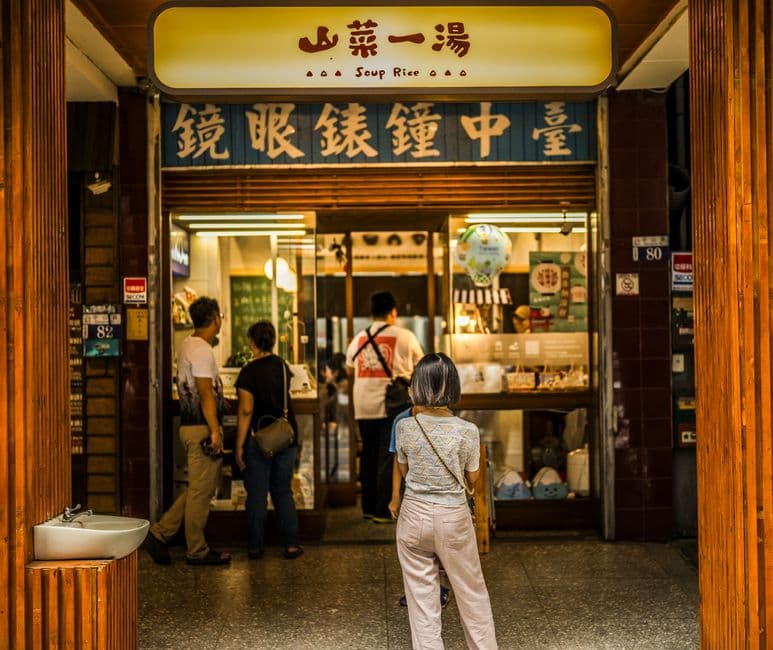
GS25, CU, and 7-Eleven convenience stores are a reliable fallback. Plain steamed rice balls (onigiri) filled with pickled plum (梅干し) or sesame are often vegan. Packaged dubu jorim (braised tofu) and kongnamul (soybean sprouts) sold in vacuum packs are almost universally vegan. Hyundai Department Store's B2 basement food hall and Emart carry labelled vegan dosirak (lunchboxes) from brands like Pulmuone and CJ Hetban.
Starbucks Korea marks vegan drinks explicitly on its app, and Subway Korea will make subs without meat using the standard vegetable selection, though cross-contamination is not controlled.
Practical Ordering by Dish
- Bibimbap: ask for no egg (달걀 빼주세요) and confirm the gochujang is vegan (most commercial versions contain no fish, but house-made versions vary).
- Japchae: glass noodles are plant-based, but nearly always stir-fried with beef, request plain (소고기 빼주세요).
- Sundubu jjigae: tofu is vegan, the broth almost never is. Order at a temple-food restaurant only.
- Tteok (rice cakes): plain tteok is vegan; tteokbokki sauce varies (often anchovy-based).
Beyond Seoul
Outside the capital, plant-based options thin out quickly. Jeonju (famous for bibimbap) has one dedicated vegan restaurant, Vegan Jeonju, near Hanok Village. Gyeongju and Busan each have a handful of HappyCow-listed venues; expect to eat at convenience stores or cook from supermarket ingredients on some days. The further into rural areas you travel, the more temple food restaurants become your only reliable option, Korea has over 900 Buddhist temples open to visitors, and many serve lunch.
The key takeaway: Korea is not a difficult country to visit as a vegetarian or vegan if you plan specifically. Seoul's vegan scene has expanded dramatically since 2020, but the default assumption everywhere outside specialist venues is that broth is animal-based and kimchi contains seafood. Adjust your expectations and vocabulary accordingly.
Vegetarian restaurant searches
“Vegetarian Korea,” “Korea vegetarian restaurant” and “vegetarian food in Korea” require more than ordering a dish labelled 채식. Confirm whether broth, fish sauce, shrimp paste or meat garnish is included, and explain your requirements clearly when ordering.
 Accessibility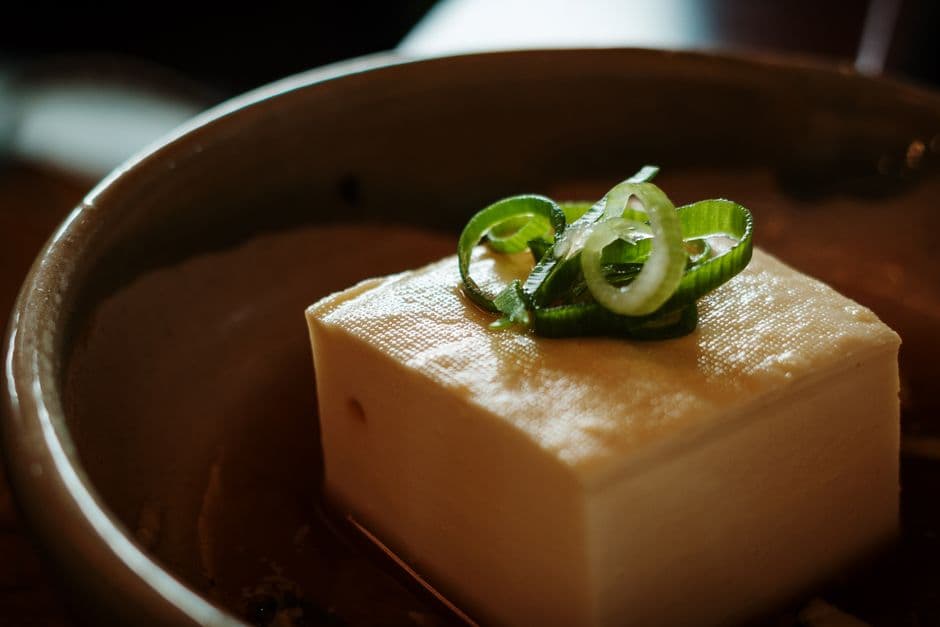
 Accessibility