 Emergencies First Aid Urgent Care
Japan ambulance is 119, police is 110: but which hospitals treat foreigners in English? A practical guide for tourists facing a medical crisis.
In Japan, the ambulance number is 119 and the police number is 110. Memorise both before you leave your hotel. Neither dispatcher will hang up on you for speaking English, but the conversation may be slow: stay calm, say "I need an ambulance," give your address, and keep the line open.
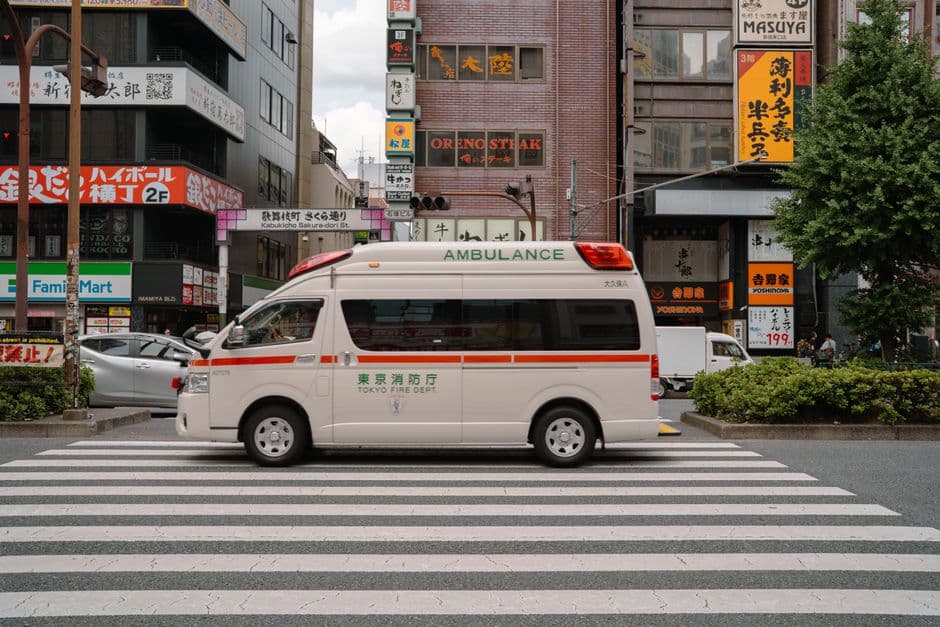
Calling 119: What to Expect
The Tokyo Fire Department and most major city services now have English-speaking dispatchers on duty around the clock, or will transfer you to a language line within seconds. Outside major cities, response times are fast (national average: under nine minutes) but English support is less reliable.
When you call:
- State the emergency type first ("chest pain," "unconscious person," "accident").
- Give the address in full, including the building name and floor. Japan uses a block-and-lot addressing system that confuses visitors: show your phone screen to a bystander if needed.
- Stay on the line. The dispatcher will guide you until paramedics arrive.
If you cannot speak, text is not an option on 119. Instead, hand your phone to any nearby Japanese person and point to the call. Bystanders in Japan overwhelmingly assist in emergencies.
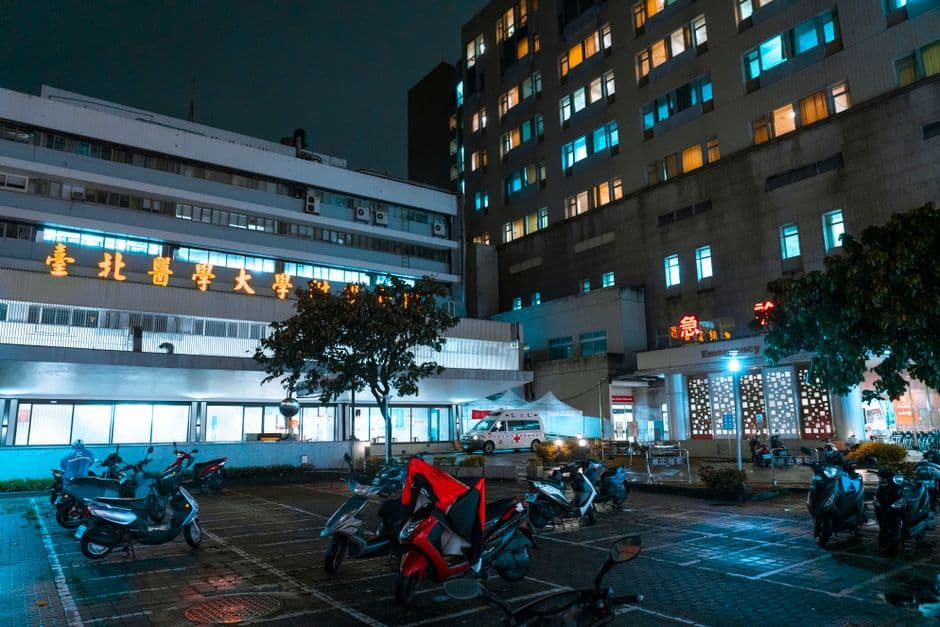
Which Hospitals Accept Foreigners?
Japan has no blanket rule barring foreigners from any hospital, but the practical barrier is upfront payment and language. Most hospitals require payment at discharge; some ask for a deposit at admission. Without travel insurance documents, you may be asked for ¥50,000–¥200,000 upfront for serious treatment.
Hospitals designated to treat foreigners (with English-capable staff on call):
- Tokyo: St. Luke's International Hospital (Chuo-ku): 24-hour emergency, English staff, internationally insured patients accepted. ☎ 03-5550-7166.
- Tokyo: Tokyo Medical and Surgical Clinic (Minato-ku): outpatient emergencies, English-speaking GPs.
- Osaka: Osaka City General Medical Center: international department, English/Chinese/Korean.
- Kyoto: Japan Baptist Hospital: long-standing English-language care, foreigner-experienced staff.
- Nationwide: Search the JNTO "Accessible Japan" hospital finder at jnto.go.jp: it lists 370+ hospitals by prefecture with language capabilities.
Ambulance crews choose the destination hospital, not the patient. If you are conscious, you can request a specific hospital, but paramedics are not required to comply. In practice, they prioritise proximity and the severity of your condition.
The Language Barrier and How to Bridge It
Language Barrier at Most Hospitals
Outside major city hospitals, English-speaking doctors are rare. AMDA International Medical Information Center (03-5285-8088) provides phone interpretation in 20 languages.
Carry a card in Japanese describing any allergies, chronic conditions, or current medications. Apps such as VoiceTra (free, developed by Japan's NICT) provide real-time medical interpretation and are used by some hospital staff themselves.
Your travel insurance card is your most important document in a Japanese ER. Carry it on your person, not in your luggage. ISOS, AXA Assistance, and Allianz all have Japan-specific 24-hour hotlines that can arrange direct billing with major hospitals, sparing you the upfront cash demand.
After the Emergency
Request an itemised receipt (ryoshusho, 領収書) before you leave. Japanese hospitals issue detailed billings that overseas insurers require for reimbursement. Prescription medicines dispensed at the hospital pharmacy are listed separately: keep that receipt too.
For non-life-threatening situations (fever, minor injury, stomach problems), look for a "clinic" (クリニック, kurinikku) rather than a hospital emergency ward. Clinics are faster, cheaper, and increasingly display English signage in tourist-heavy areas. Pharmacies (yakkyoku, 薬局) marked with a green cross can treat minor ailments over the counter and often have English-language symptom guides.
Japan's emergency system is reliable and well-resourced. The obstacle for tourists is communication and payment logistics, not quality of care. Prepare both before you need them.
 Emergencies
 Emergencies