 Food Culture Local Dining Etiquette
Master Japan's ramen ticket machine in minutes: learn what every button means, how to customize your bowl, and avoid the most common tourist mistakes.
The券売機 (券売機,券売機), the ticket vending machine, stands between you and your bowl. It looks intimidating: thirty-odd backlit buttons, all in kanji, no English. Most tourists freeze, tap something random, and hand over the ticket without understanding what they ordered. Here is how to read the machine like a regular.
How the machine works
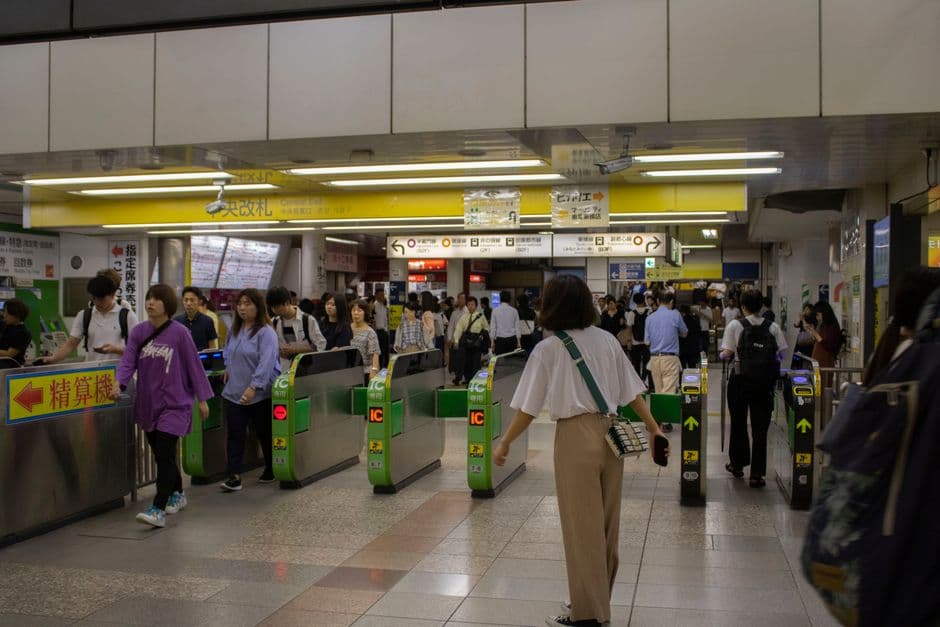
You pay first, eat second. Insert your yen notes or coins (most machines now also accept IC cards like Suica and Pasmo, look for the card reader panel on the right side). The machine dispenses a small paper ticket, sometimes two: one for your main bowl, one for any add-ons. Hand both to the staff when you sit down. If you want to customize your broth, noodle firmness, or toppings, you do that verbally after sitting, not at the machine.
Key layout rule: the most expensive items are almost always top-left. The restaurant's signature bowl sits in the pride-of-place position. Cheaper options, half-portions (ミニ, mini), and rice side dishes drift toward the bottom rows.
Reading the buttons
Most ramen shops sell one style of broth. But chain shops (Ichiran, Ippudo, Fuunji) and larger restaurants offer several. Here are the most common labels you will encounter:
- 醤油 (Shoyu): soy-sauce broth, typically chicken or pork-based, clear to amber, savoury and light.
- 豚骨 (Tonkotsu): pork-bone broth, milky white, rich and fatty: the Hakata (Fukuoka) style that conquered the world.
- 味噌 (Miso): fermented soybean paste broth, opaque, slightly sweet and earthy: a Sapporo specialty.
- 塩 (Shio): salt broth, the palest and most delicate, often chicken or seafood-based.
- つけ麺 (Tsukemen): dipping ramen: the noodles arrive cold and separate; you dip them into a concentrated hot broth.
Below the broth buttons you will often see size options: 並 (nami) = regular, 大 (dai) = large, sometimes 特 (toku) = extra-large. Large is often free or a small surcharge: worth checking the price displayed on the button.
The customization conversation
After handing over your ticket, the staff will ask you a short series of questions. In Hakata-style tonkotsu shops this is almost a ritual. The most frequent choices:
Noodle texture (麺の硬さ): Katame (硬め) is firm, the preference of locals. Futsu (普通) is standard. Yawaraka (柔らかめ) is soft. Firm noodles hold up better in rich tonkotsu broth and do not go mushy while you eat.
Broth richness (濃さ): Koime (濃いめ) intensifies the flavour; Usume (薄め) dilutes it. First visit? Stick with futsu (普通, standard) until you know what the shop's baseline tastes like.
Fat level (脂): Oomori (多め) = more oil floating on top; Sukuname (少なめ) = less. Many Hakata shops call this koshi rather than abura.
Allergy note: if you avoid pork entirely, the only safe default order is shio or shoyu at shops that explicitly label chicken-based broth. Tonkotsu is always pork. There is no reliable vegetarian ramen outside specialist shops: miso broth often contains pork-fat seasoning even when not labelled.
Kaedama: the free refill you did not know existed
At almost every Hakata tonkotsu shop, once you finish your noodles you can call kaedama (替え玉), a fresh ball of noodles dropped into your remaining broth for ¥100 to ¥150, sometimes free. Say kaedama onegaishimasu (替え玉お願いします) to the staff. This is not an option at tsukemen or miso shops, only at tonkotsu specialists.
Cash first
Many old-school ramen shops are cash-only. Bring at least ¥1,500 in coins and small notes. The machine will not make change larger than ¥1,000 bills at some counters.
Common mistakes to avoid
- Pressing the first button you recognise: it is often the most expensive set meal, not the plain bowl.
- Sitting before buying your ticket: staff will redirect you to the machine, and the queue will not wait.
- Adding toppings at the machine without checking the base price: extra chashu (チャーシュー), soft-boiled egg (味玉, ajitama), and bamboo shoots (メンマ) each have their own buttons and add ¥100 to ¥300 to your bill.
- Leaving the ticket on the counter: place it face-up directly in front of you so staff can see it and confirm your order without asking.
One minute at the machine, a few spoken words at the counter, and you are in. The rest is broth.