 Emergencies First Aid Urgent Care
Dial 119 for ambulance and fire in Taiwan. Know which hospital tier to use, what NHI covers for visitors, and how to pay without insurance.
The single number to memorize before anything else: 119 connects you to ambulance and fire dispatch in Taiwan, 24 hours a day. Police is 110. Operators at both lines speak basic English; for complex medical situations, stay calm and say "ambulance", the system is well-drilled.
The Four Hospital Tiers
Taiwan's health system runs on a four-level structure. Knowing which level to aim for saves time and money.
- Medical centers (醫學中心, yīxué zhōngxīn), the top tier. Major institutions like National Taiwan University Hospital (NTUH) in Taipei, Chang Gung Memorial Hospital in Linkou, and Kaohsiung Medical University Chung-Ho Memorial Hospital handle trauma, complex surgery, and specialist care. Emergency departments here are busy but excellent.
- Regional hospitals (區域醫院), full-service hospitals without the teaching-center footprint. Faster than medical centers for non-critical cases.
- District hospitals (地區醫院), smaller facilities suited to fractures, infections, minor injuries. Many have 24-hour emergency rooms.
- Clinics (診所, zhěnsuǒ), for colds, GI issues, and prescription refills during the day. Not for emergencies. Out-of-pocket cost here is often just NT$150–300 (around US$5–10) for a consultation and medication.
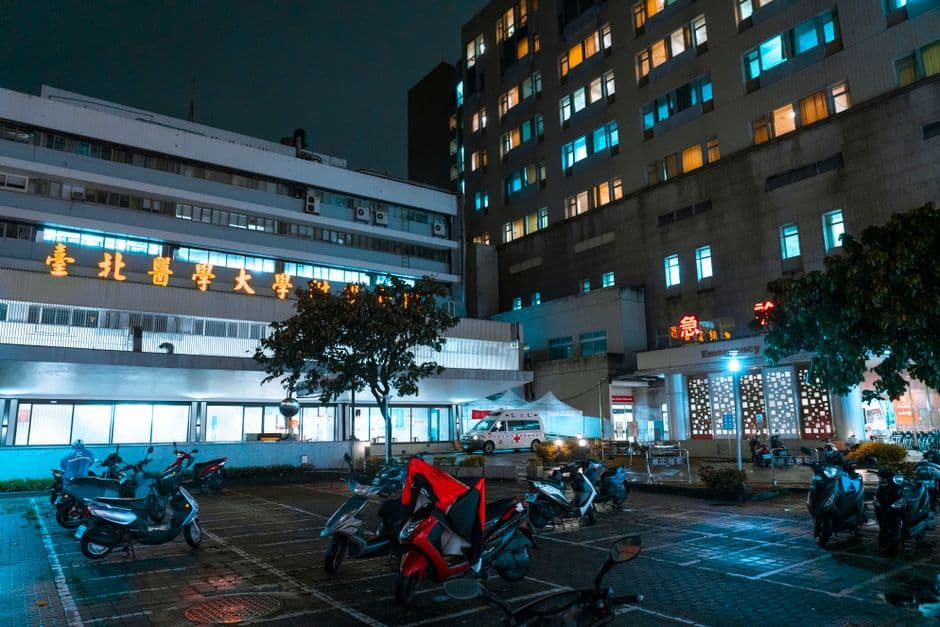
What Happens When the Ambulance Arrives
Taiwan's Emergency Medical Services Act (緊急醫療救護法) mandates that public ambulances provide initial stabilization and transport to the nearest appropriate facility. Response times in Taipei and other major cities average 7–10 minutes. Rural eastern Taiwan (Hualien, Taitung counties) can be longer, mountain terrain is a real factor.
The ambulance itself is free. You are not billed for the ride. What you pay at the hospital depends entirely on your insurance status.
National Health Insurance (NHI) and Foreign Visitors
Taiwan's National Health Insurance (全民健保, NHI) covers citizens and ARC holders (foreigners with a resident permit). Short-stay tourists and business travelers on visitor visas are not covered by NHI.
Without NHI, emergency treatment is billed at full cost. What that looks like in practice:
- ER visit + basic treatment: NT$2,000–8,000 (US$60–250) depending on complexity
- Overnight hospitalization: NT$3,000–6,000 per day (US$95–190) for a shared ward
- CT scan or MRI: NT$5,000–15,000 (US$155–470) out of pocket
NTUH and Chang Gung both have international patient centers with English-speaking staff who can produce itemized invoices for insurance reimbursement claims. Ask for a receipt marked "for insurance purposes" (保險用收據) before you leave.
Travel insurance is not optional in Taiwan. Any policy covering medical evacuation and emergency hospitalization is adequate for most visitors. Check that your policy covers a minimum of US$100,000 in medical expenses, medical evacuations to your home country can exceed US$50,000.
Paying Without Insurance
Hospitals in Taiwan require a deposit before non-emergency procedures if you have no NHI card. Medical centers typically ask for NT$10,000–30,000 (US$310–930) upfront for admitted patients. Credit cards (Visa, Mastercard) are accepted at all major hospitals. Do not leave without settling the bill, Taiwan's National Immigration Agency can flag unpaid hospital debts.
Practical Notes
- Pharmacy (藥局): Many drugs requiring a prescription elsewhere are available over the counter. Poya and independent pharmacies are everywhere in city centers. Night pharmacies operate until 10–11 pm.
- Dental emergencies: Not included in standard travel insurance. Budget NT$2,000–5,000 for an emergency extraction at a private dental clinic.
- Translation: Install iTaiwan or keep Google Translate ready with the camera function. Medical staff in Taipei generally manage conversational English; staff in smaller towns may not.
- COVID-era habit, still useful: Major hospitals retain temperature screening stations at entrances, walk through, do not detour around them.
The infrastructure is genuinely first-rate. Taiwan's hospitals consistently rank among the best in Asia for wait times, equipment, and cleanliness. The gap between having travel insurance and not having it is purely financial, the care itself will not be withheld.
 Emergencies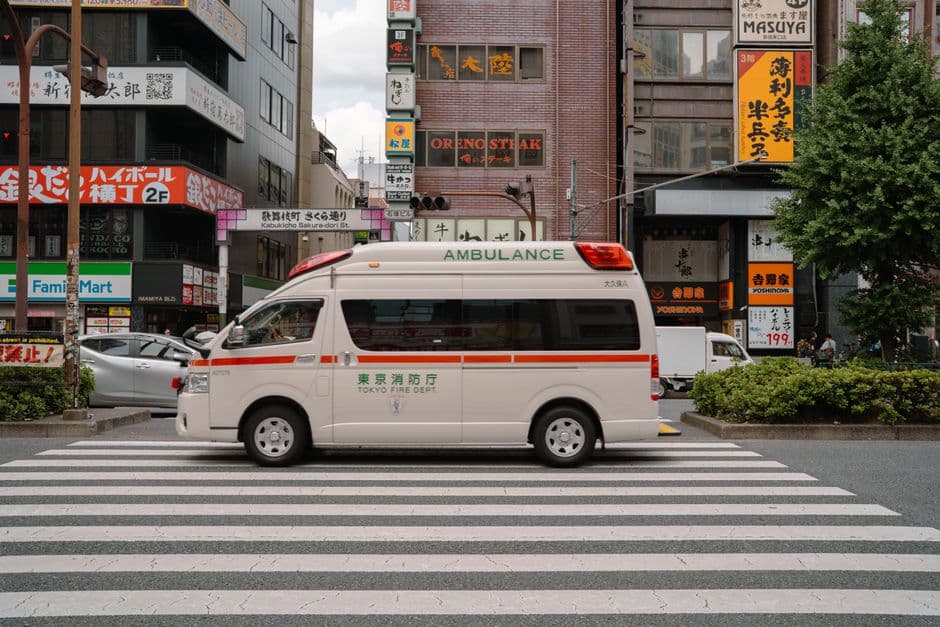
 Emergencies