 Public Transport Infrastructure
T-money card or contactless bank card on Seoul metro? We compare costs, convenience, and transfer discounts to settle the debate for visitors.
T-money cards save you real money on transfers, and that single fact should drive your decision. Seoul's metro, city buses, and regional trains all accept both T-money IC cards and foreign contactless bank cards, but the two systems are not equal. Here is exactly how they differ and which one to carry.
How T-money Works
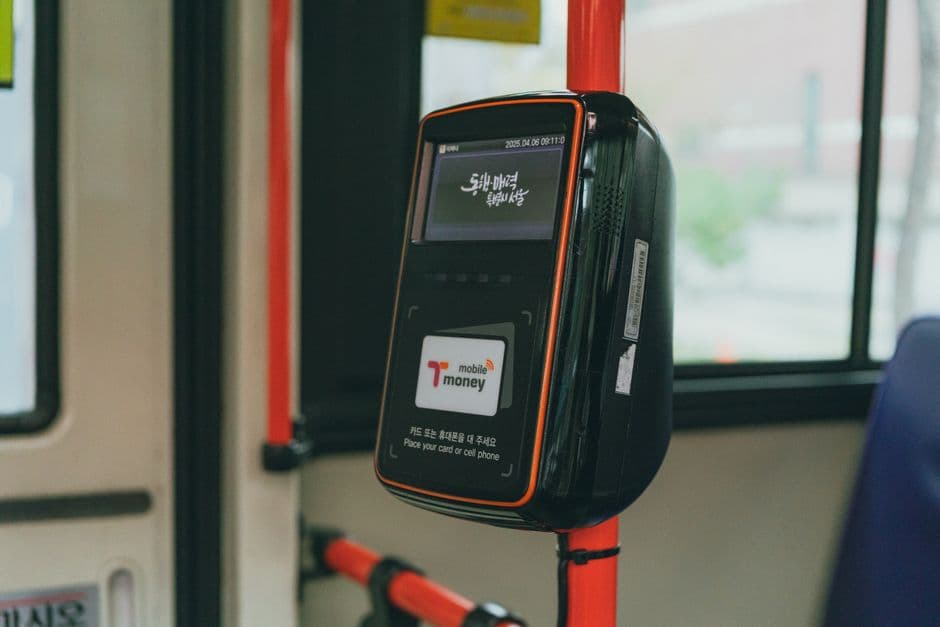
T-money is the dominant prepaid transit IC card in South Korea, issued by Korea Smart Card Co. The physical card costs ₩3,000 (about USD 2.20) and is sold at convenience stores, GS25, CU, 7-Eleven, and Ministop, plus all Seoul Metro station kiosks. You top it up at the same counters or at in-station recharge machines that accept cash.
The base metro fare inside Seoul is ₩1,500 for trips up to 10 km, rising by ₩100 every 5 km. Buses run on an identical fare structure, and this is where T-money becomes decisive: transfer discounts. Tap T-money when you exit a bus or metro, then board another within 30 minutes (60 minutes between 21:00 and 07:00), and the next leg costs nothing for the first two transfers on a combined journey under ₩1,850. Chains of bus-metro-bus commutes cost dramatically less than paying per leg.
Contactless Bank Cards: What Actually Works
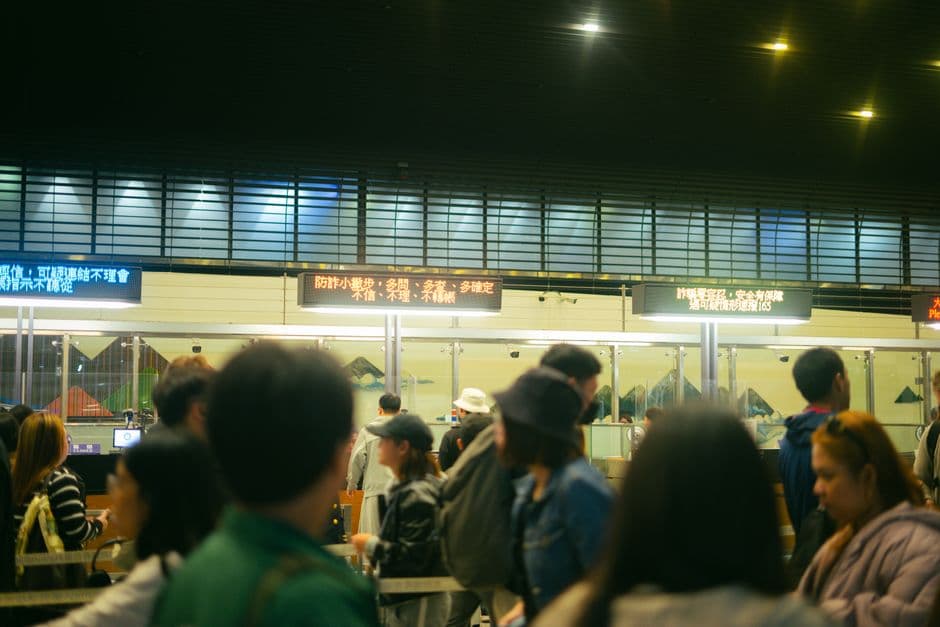
Since 2023, Seoul Metro has accepted Visa and Mastercard contactless (tap-to-pay) at all turnstiles on lines 1–9 and the Airport Railroad (AREX). The foreign card fare is identical: ₩1,500 base. However, transfer discounts do not apply to foreign bank cards. Each boarding is a fresh, full-price tap. On a typical tourist day, metro to a bus, bus back to the metro, you pay two or three separate fares instead of one discounted chain.
American Express contactless is not accepted at Seoul Metro turnstiles. UnionPay works at some lines but coverage is inconsistent; do not rely on it.
Buses in Seoul (blue, green, and red inter-city lines) generally do not accept foreign contactless cards. Some newer low-floor buses have begun testing Visa/Mastercard readers, but as of mid-2026 acceptance is far from universal. If your plan involves any bus leg, T-money is mandatory.
The Kakao Pay and Naver Pay Gap
Korean mobile wallets, Kakao Pay and Naver Pay, work on transit and offer identical transfer discounts to T-money, but both require a Korean phone number and Korean bank account for setup. They are not an option for short-stay visitors.
Apple Pay launched in Korea in 2023 via Hyundai Card partnerships and can be used for retail payments, but Apple Pay does not currently work at Seoul Metro turnstiles. Google Pay has the same limitation. Neither functions as a substitute for T-money at the gate.
Practical Comparison
| Situation | T-money | Foreign Contactless |
|---|---|---|
| Seoul Metro | Works, transfer discount | Works, no discount |
| Seoul city bus | Works, transfer discount | Usually not accepted |
| Inter-city express bus | Works at most terminals | Not accepted |
| AREX (airport rail) | Works | Works |
| Refund at departure | ₩500 fee, balance refunded | N/A |
The Verdict
Buy a T-money card on arrival at Incheon Airport, the GS25 inside arrivals sells them before you reach the AREX platform. Load ₩20,000–₩30,000 for a week of typical tourist transit, which covers metro and bus without the mental overhead of checking whether a reader will accept your card.
Refunding Your T-money Balance
Return the card and claim your remaining balance at any GS25 or CU counter. A ₩500 handling fee is deducted, but any unused credit above that is returned in cash. If you plan to return to Korea, keep the card, it never expires.
Use your contactless bank card as a backup for the metro only when T-money runs dry and you cannot reach a top-up machine. For anything involving a bus, T-money is the only reliable option in hand.
One card, one tap, every time: the transfer discount alone pays for the card within a single afternoon of sightseeing.

 Public Transport