 Electricity Voltages Power Outlets
South Korea runs on 220V with Type C/F plugs. Find out exactly which adapter you need, what works without one, and how to stay safe.
South Korea runs on 220V / 60Hz with Type C and Type F (Schuko-compatible) sockets, the same standard used across most of continental Europe. If you are arriving from North America, the UK, Australia, or Japan, you will need an adapter and possibly a voltage converter.
Voltage: The Critical Number
The most important thing to check before plugging anything in is voltage. South Korea uses 220 volts, which is double the 110–120V used in the United States, Canada, Mexico, and Japan.
Dual-voltage devices (100–240V): Most modern laptops, phone chargers, camera chargers, and travel hair dryers are dual-voltage. Look for the small print on the charger brick or device label. If it reads "Input: 100–240V, 50/60Hz," you only need a plug adapter, no converter required.
Single-voltage 110V devices: Older hair dryers, electric shavers, curling irons, and some kitchen appliances designed for the North American market will burn out or break on 220V Korean power. Do not plug these in without a step-down voltage converter (also called a "transformer"). These are sold at Daiso stores across Seoul for around ₩3,000–₩5,000, or at larger electronics floors in Lotte Mart and E-Mart.
Plug Shape: Type C and Type F
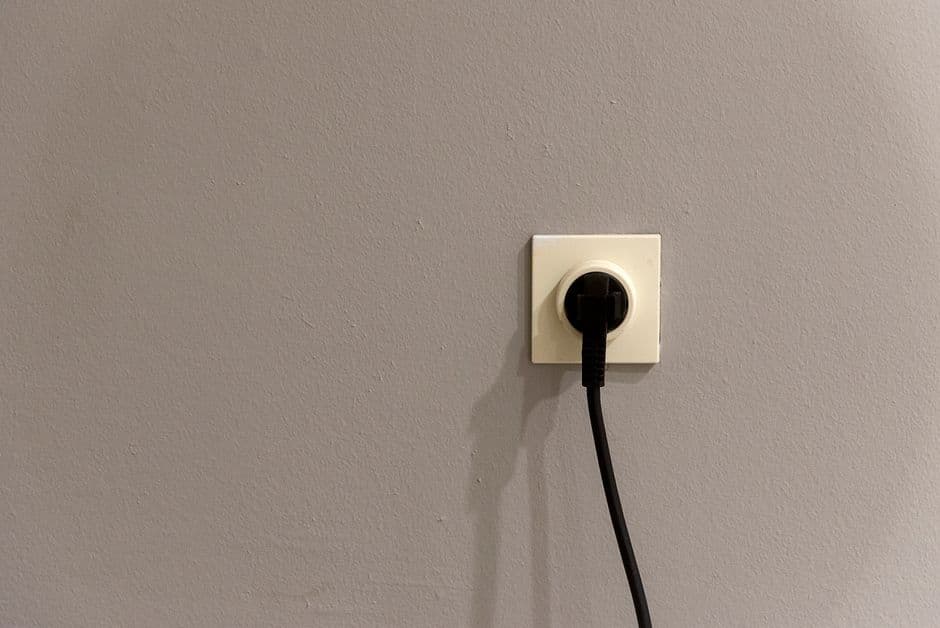
South Korea officially uses Type C (two round pins, 4mm diameter) and Type F (two round pins, 4.8mm diameter, with grounding clips on the side). In practice, the two are largely interchangeable at most outlets found in hotels, cafes, and apartments, a Type C plug fits a Type F socket without issue.
What does NOT fit without an adapter:
- Type A / Type B (flat blade pins), used in the US, Canada, Japan, Mexico
- Type G (three rectangular pins), used in the UK, Hong Kong, Singapore, Ireland
- Type I (angled flat pins), used in Australia, New Zealand, China
- Type D / Type M (large round pins), used in India
A universal travel adapter (sold at any Incheon Airport duty-free shop before you land, or at convenience chains like CU and GS25 near major hotels for ₩8,000–₩15,000) will cover all of these. Pack one in your carry-on, not your checked bag, so you can charge your phone immediately on arrival.
Where to Buy Adapters in South Korea
- Incheon International Airport (ICN): Plug adapters at electronics kiosks in Terminals 1 and 2, landside and airside.
- Daiso: ₩2,000–₩5,000 for basic adapters; branches in every major subway station mall.
- Lotte Mart / E-Mart / HomePlus: Wider selection including grounded adapters and voltage converters.
- Namdaemun Market (Seoul): Bulk electronics stalls sell adapters loose for ₩1,000–₩3,000 each.
Safety Tips
Grounded sockets: Many older Korean buildings (pre-2000 construction) have ungrounded Type C sockets. If your device requires a grounded connection (Type F with earth clips), verify the outlet before plugging in. Modern hotels and serviced apartments almost always have grounded Type F sockets.
Overloading power strips: Korean hotels often provide a single power strip near the desk. Avoid daisy-chaining multiple high-draw devices (hair dryer + laptop + phone). The standard circuit breaker in a Korean hotel room is typically rated at 15A / 3,300W.
Surge protection: Power quality in central Seoul is stable, but typhoon season (July–September) can cause brief surges. A compact surge-protected travel power strip, brands like Belkin and ATEN are sold at Yongsan Electronics Market, is a worthwhile ₩25,000 investment if you are traveling with expensive equipment.
USB-C charging: Virtually every convenience store, airport lounge, cafe chain (Starbucks Korea, Ediya), and coworking space in South Korea now provides USB-A and USB-C charging points at seats, so you may not need your adapter as often as you expect for phone and tablet charging.
Quickest fix at Incheon
Before clearing customs at ICN, grab a universal adapter at the GS25 convenience store in the arrivals hall. It costs around ₩12,000 and saves you hunting for one after a long flight.
The bottom line: bring a Type C or universal adapter, double-check that your high-wattage appliances are dual-voltage, and you will have zero electrical problems throughout South Korea.
Korean plug and socket terminology
“Korea outlet,” “South Korea wall plug,” “electrical socket Korea” and “power plug Korea” describe the same visitor question. South Korea commonly uses Type C and Type F round-pin sockets and 220 V/60 Hz power. Travellers from countries using different plugs need a travel adapter; check appliance voltage before plugging it in.
 Electricity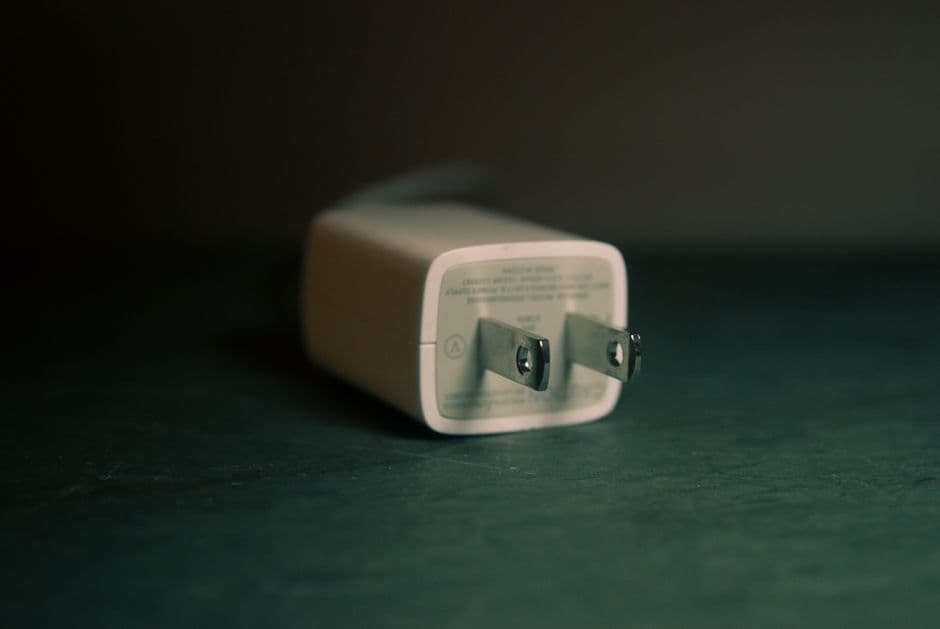
 Electricity