 Flights Route Metrics Jet Lag
Beat Tokyo jet lag fast with a proven day-by-day recovery plan: light exposure, melatonin timing, and meal hacks for European travellers.
Flying from Paris to Tokyo puts you +8 hours ahead (or +9 during European summer). That gap is wide enough to leave you useless for the first two days if you wing it, and entirely manageable if you work the system. Here is the exact protocol, day by day.
Why the Paris-Tokyo direction is the hardest
Eastward travel compresses your biological day. Your body wants to sleep at 3 a.m. Tokyo time (which feels like 7 p.m. Paris time), and it wants lunch when every restaurant is serving breakfast. Westbound recovery averages one day per time zone; eastbound averages 1.5 days. For an 8-hour shift, budget four to six days for full recovery, but the first 48 hours are decisive.
Before you board
- Start shifting two days early. Go to bed one hour earlier each night, and eat dinner an hour earlier. Small shift, large payoff on arrival.
- Take 0.5 mg melatonin (not 5 mg: that dose is ten times what research supports for circadian use) at your target Tokyo bedtime, starting the night before your flight.
- Book an overnight departure. Most Paris–Tokyo flights (Air France AF275, ANA NH216) depart in the early afternoon and land late morning local time. That schedule is your friend.
On the plane
Skip the airline alcohol entirely: it degrades sleep quality at altitude. Eat lightly, drink water, and set your watch to Tokyo time the moment you board. If it is night in Tokyo while you are in the air, sleep. Use a quality eye mask and foam earplugs; the cabin noise on a 12-hour haul is around 85 dB and will fragment your rest.
Day 1 in Tokyo: arrival day
You land at Narita or Haneda around 9–10 a.m. local time. This is the critical day.
- Do not sleep until 9 p.m. Tokyo time, no matter how wrecked you feel. A single nap longer than 20 minutes will lock you into the wrong cycle for days.
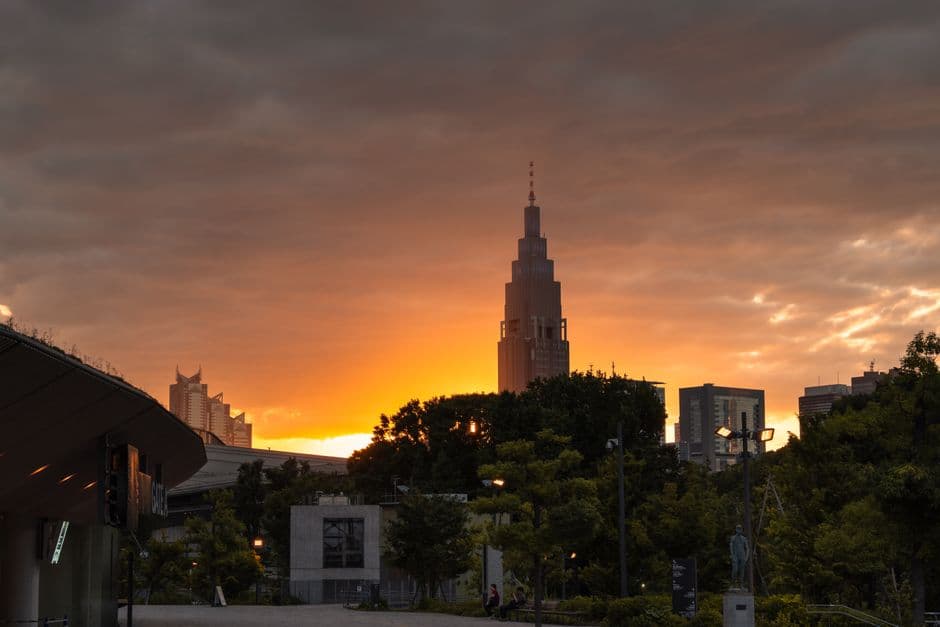
- Get outside immediately. Morning light (6 a.m.–10 a.m.) is the single most powerful zeitgeber (time cue) your brain has. Walk from your hotel. Buy a coffee at a 7-Eleven. Sit in a park. The goal is 30–60 minutes of direct outdoor light before noon.
- Eat a protein-heavy breakfast and a real lunch. Your gut has its own clock; feeding it on the local schedule accelerates the shift.
- At 9 p.m., take 0.5 mg melatonin, darken the room completely, and sleep.
Paris → Tokyo
यात्रा-पूर्व नींद बदलाव
- पूर्व की ओर कठिन है: आपका दिन छोटा हो जाता है।
- कुछ दिन पहले, हर दिन लगभग 1 घंटे पहले सोएं और उठें।
- आगमन पर सुबह की तेज रोशनी लें और देर शाम की रोशनी से बचें।
- दोपहर 3 बजे से पहले केवल छोटी झपकी; आगमन के दिन बाहर निकलें।
Day 2: the hardest morning
You will likely wake between 3 a.m. and 5 a.m. feeling wide awake. Do not turn on bright overhead lights. Use a dim lamp, read, or listen to a podcast. Avoid screens at full brightness. Get back to sleep if you can.
By 6 a.m., get up, go outside again, and repeat the light-exposure routine. Day 2 is the most cognitively impaired day: schedule nothing you cannot cancel. Museums, temples, slow neighbourhood walks: yes. Driving, important meetings, or complex transit connections: no.
Days 3–4: the turning point
Most travellers notice the shift clicking into place on day 3. Wake-up time drifts toward 6–7 a.m. naturally. Midday energy improves. The key interventions are now:
- Avoid bright light after 9 p.m. Convenience stores, pachinko halls, and the neon of Shinjuku or Dotonbori are all disruptive after dark. If you are out late, wear blue-light-blocking glasses (available at most Matsumoto Kiyoshi branches for around ¥1,500).
- Keep melatonin going at the same time each night through day 4, then stop.
- Eat meals on a strict local schedule, even if your appetite disagrees.
What does not work
Sleeping pills on the plane push many travellers into a groggier day-1 state than doing nothing. If you use them, limit to half a dose and only during the first half of the flight. Pulling all-nighters to exhaust yourself into local bedtime rarely works: the body rebels with cortisol spikes. And caffeine after 2 p.m. Tokyo time will sabotage your 9 p.m. bedtime on the very days you need it most.
Quick rule
One outdoor walk before 10 a.m. and one melatonin at 9 p.m.: do those two things every day and you will be fully reset by day 5.
The realistic timeline
| Day | State | Priority |
|---|---|---|
| 1 | Functional but slow | Light exposure, no naps, early bed |
| 2 | Hardest, brain fog peak | Low-intensity sightseeing only |
| 3 | Noticeably better | Normal schedule, avoid late nights |
| 4–5 | 80–90 pct recovered | Resume everything |
| 6 | Full sync |
Follow this plan and you will not waste your first two days in Tokyo staring at the ceiling at 4 a.m.
 Flights