 Seasonal Clothing Dress Codes
Exact temperatures, humidity levels, typhoon windows, and season-by-season packing lists for Taiwan, so you land dressed for what's actually waiting.
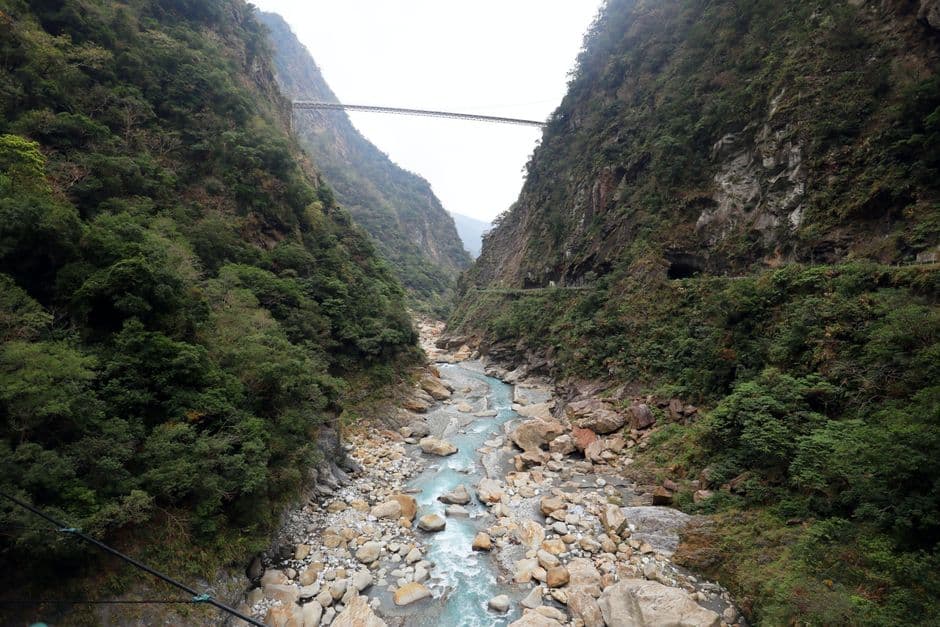
Taiwan's climate divides cleanly into four distinct personalities, and packing wrong for any of them will cost you comfort, or ruin a day of hiking Taroko Gorge in soaked cotton. Here is what each season actually delivers, and exactly what to bring.
Spring: March to May
Average temperatures: 18–26 °C (64–79 °F) in Taipei; 22–28 °C in the south.
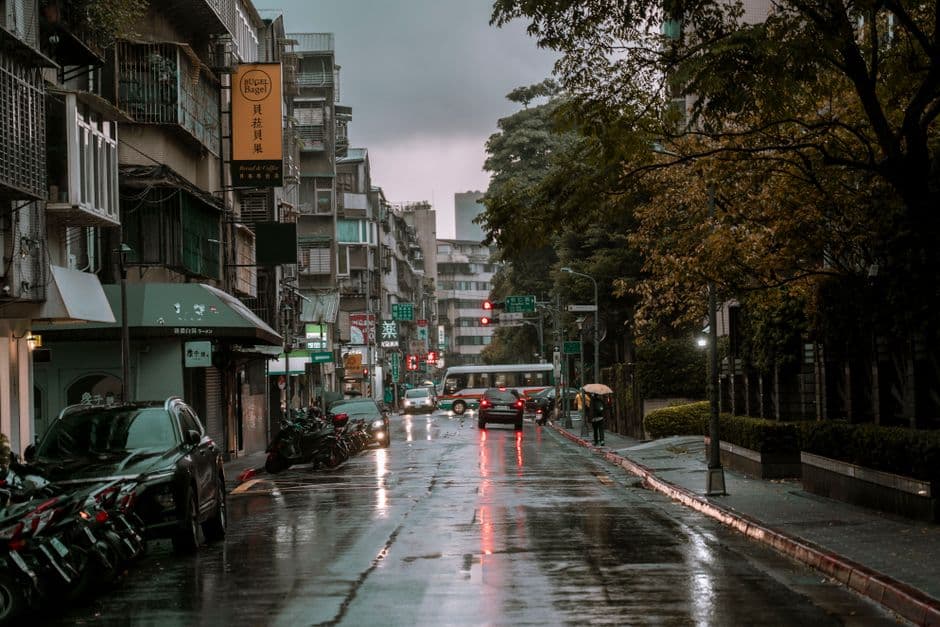
Spring is Taiwan's most deceptive season. Taipei sits in a basin that traps moisture, and the northeast monsoon lingers into April, blanketing the north in drizzle for days at a time. The south (Tainan, Kaohsiung) clears faster and runs warmer. Humidity already hits 75–85 pct on most days.
Pack:
- A packable rain jacket (not an umbrella, wind inverts them)
- Light merino or moisture-wicking long-sleeve layers
- Trousers or long skirt in quick-dry fabric
- Comfortable walking shoes with grip (temples and night markets get slippery)
Summer: June to September
Average temperatures: 30–35 °C (86–95 °F) with heat-index spikes above 40 °C in Taipei.
Summer is Taiwan's headline hazard season. Typhoon season runs June through October, peaking in August and September. The Central Weather Administration (CWA) issues typhoon warnings at 24-hour and 48-hour intervals, check cwb.gov.tw or the free app Taiwan Weather before any mountain or coastal plan. When a land warning is issued, trains stop, national parks close, and most businesses shut for 24 hours. This is enforced by law under the Typhoon Day policy.
Humidity sits at 80–90 pct throughout summer. Air conditioning is aggressive indoors, office buildings, department stores, and the MRT run at 20–22 °C year-round. The temperature swing between outside and inside is brutal.
Pack:
- Loose linen or moisture-wicking synthetic shirts (cotton stays wet)
- Shorts and light trousers
- A light cardigan or long-sleeve layer for AC interiors, this is non-negotiable
- Sandals with a back strap (flip-flops on wet pavement are a fall risk)
- SPF 50+ sunscreen: UV Index 10–12 is standard in July
- A compact umbrella rated for wind (check the spoke count, 8 minimum)
- Dry bag or waterproof phone case if hiking or heading to the coast
Autumn: October to November
Average temperatures: 22–30 °C in early October, dropping to 16–22 °C by November in Taipei.
October remains in the typhoon window. By mid-October the risk drops sharply, and November is widely regarded as Taiwan's best travel month. Skies clear, humidity falls to 65–70 pct, and mountain trails open up. Sun Moon Lake, Alishan, and the East Rift Valley are at their visual peak.
Pack:
- Layering system: T-shirt plus a mid-layer fleece or light down jacket for evenings above 500 m elevation
- Waterproof shoes or trail runners if hiking Alishan or Hehuanshan
- One warmer layer in case of a late typhoon
Winter: December to February
Average temperatures: 12–18 °C in Taipei; 20–26 °C in Kaohsiung and Kenting.
Northern Taiwan can feel raw. Cold fronts push down from the Asian continent every 7–10 days, dropping Taipei overnight lows to 8–10 °C and occasionally below 5 °C at higher elevations. Snow falls on Hehuanshan (elevation 3,275 m) and Alishan (2,216 m) most winters. The south stays mild and is the only part of Taiwan that functions as a warm-weather winter escape.
Pack for the north:
- A down or synthetic-fill jacket (mid-weight, 600–700 fill power)
- Thermal base layer
- Scarf and light gloves for cold-front days
- Waterproof layer (northeast monsoon continues)
Pack for the south:
- Light trousers and T-shirts with one mid-layer for evenings
- Sunscreen, the southern sun remains strong
Typhoon protocol
If a sea warning upgrades to a land warning in your region, cancel outdoor plans immediately. Typhoon Doksuri (2023) and Gaemi (2024) both caused flash flooding and road closures within hours of landfall. Watch CWA alerts, not hotel staff reassurances.
The cross-season rule: always carry a layer for the MRT
Whatever the season, one thin long-sleeve layer in your day bag prevents the sharp chill of Taiwan's indoor air conditioning from ruining an afternoon. Locals carry a "冷氣外套" (air-con jacket) as a standard accessory year-round. You should too.
Rainy-season planning
Taiwan’s rainy-season searches usually refer to Meiyu in May–June, summer typhoons and the wetter northeast coast in autumn and winter. Pack quick-drying layers, a compact umbrella and shoes that can handle standing water; check the Central Weather Administration forecast before day trips.