 Cultural Taboos Non Verbal Body Language
Pointing with one finger in Taiwan signals disrespect. Learn which hand gestures are taboo, which are safe, and how to navigate non-verbal cues like a local.
Pointing a single index finger at a person in Taiwan is rude, full stop. It reads as accusatory and aggressive, regardless of your intent. Before you raise a hand to indicate a menu item, flag down a taxi, or gesture toward a temple entrance, it is worth understanding what your hands are actually communicating.
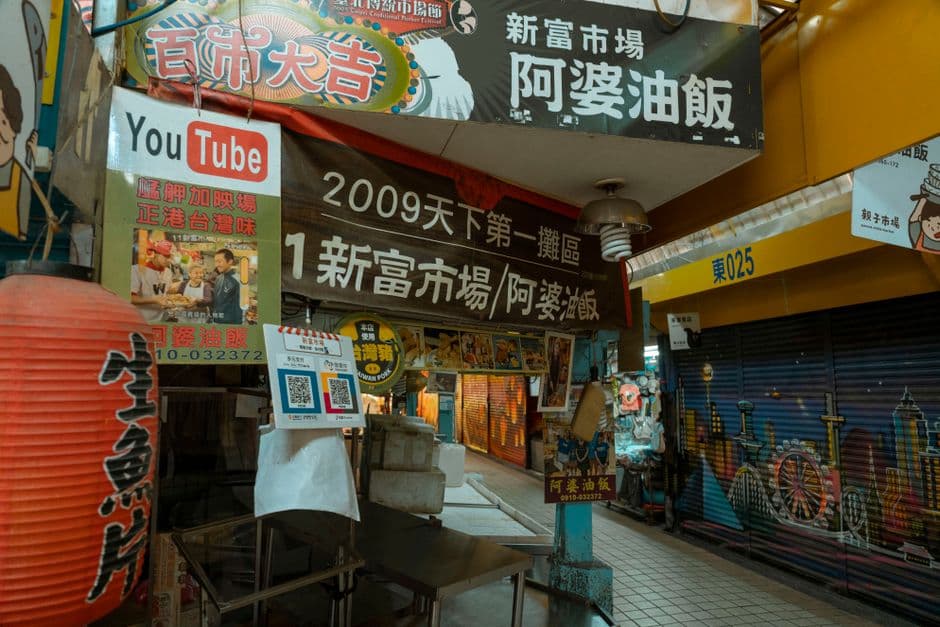
The Index Finger Problem
In everyday Taiwanese interaction, the index-finger point is reserved for confrontation. Locals who need to indicate a direction, a person, or an object use the open hand instead: palm up, fingers together, extended toward the subject. Watch any MRT station attendant in Taipei direct a confused tourist and you will see this immediately. Some Taiwanese people use the entire arm with an open palm as an even more deferential pointing method when indicating a senior person or a guest.
The same logic applies when beckoning. Calling someone over with a single index finger curled upward (common in North America) is considered dismissive. Use the downward-facing palm wave instead: hand out flat, fingers pointing down, wave the whole hand toward you. This is the standard "come here" gesture you will see shopkeepers and restaurant hosts use across Taipei's Ximending district and throughout night markets.
Gestures That Read Very Differently Here
The Thumbs Down
Avoid it entirely. In Taiwan it signals strong disapproval and can embarrass someone in public. If a dish is mediocre, a polite verbal "還好" (hái hǎo, "so-so") is far safer.
The "OK" Circle
Generally understood and neutral among younger urban Taiwanese, particularly in Taipei. In older generations or rural settings, the meaning is less fixed, stick to a simple nod to confirm agreement.
Counting on Fingers
Taiwanese finger-counting diverges from Western conventions. The number six is shown by extending the thumb and pinky finger (the "hang loose" or "shaka" shape in Western contexts). Eight is represented by an L-shape, thumb and index finger extended at a right angle, mimicking a gun shape. Do not mistake these for casual gestures at a market stall; vendors use them to signal prices without speaking above the noise.
- A slight nod or smile is a friendly greeting.
- Tipping — not customary and can cause confusion.
- Standing chopsticks upright in rice (funeral symbolism).
The "Come Here" Finger Crook
Never use this to call a waiter. At Din Tai Fung or any sit-down restaurant, catch a server's eye and give a small nod or slight raise of the hand, palm open. The finger-crook is associated with summoning animals, not people.
Hand on the Head
Patting a child on the head, a common affectionate gesture in many Western cultures, is uncomfortable for many Taiwanese parents. The head is considered spiritually significant, and unsolicited touching there, even toward a child, can cause quiet offense.
Temple and Religious Contexts
Inside temples such as Longshan Temple (龍山寺) in Wanhua, Taipei, or Fo Guang Shan in Kaohsiung, keep both hands visible and relaxed. Pointing toward altars, statues, or incense burners with a single finger is considered deeply disrespectful. If you need to indicate something to a companion, use a head tilt or a low, discreet open-hand gesture.
Quick field rule
When in doubt, open your whole hand and use your palm to indicate direction or objects. Reserve your index finger for no one.
Practical Takeaways
- Pointing at a person: open hand, fingers together, never the index finger alone.
- Beckoning: downward-facing palm wave, not the index-finger curl.
- Counting: learn Taiwan's finger numbers before visiting a wet market or street stall, six is shaka, eight is the L-shape.
- Thumbs down: skip it. Nod, say "no thank you," or smile politely.
- Head touching: avoid unless invited. This applies to children as much as adults.
Most Taiwanese people in tourist-heavy areas such as Jiufen, Sun Moon Lake, or the Taroko Gorge corridor are forgiving of foreign missteps. The correction is rarely verbal. What you will notice instead is a subtle stiffening, a redirected gaze, or a conversation that ends a beat earlier than expected. Adjusting your default hand habits before you land costs nothing and avoids that particular flavor of awkward silence.
 Cultural