 Water Safety Hydration Metrics
Taiwan tap water meets WHO standards at the treatment plant, but aging pipes make it unsafe to drink unfiltered. Here's what actually works.
Taiwan's tap water leaves the treatment plant fully compliant with WHO drinking water guidelines, the problem is the 40-to-60-year-old galvanised steel pipes it travels through before reaching your glass. Rust, sediment, and occasional bacterial contamination in building cisterns mean the official government advice, even for residents, is: do not drink unfiltered tap water straight from the tap.
Tap water is treated but most locals boil or filter it; bottled is safest for short visits.
What the Law Actually Says
The Water Supply Act (自來水法) requires the Taiwan Water Corporation to maintain chlorine residuals of at least 0.2 mg/L at the point of delivery. In practice, tap water in Taipei, Taichung, and Kaohsiung consistently passes turbidity and coliform tests at the meter. The failure points are the cistern tanks on older apartment buildings (required only to be cleaned every six months under Environmental Protection Administration rules) and the final stretch of building-internal pipes.
The Food and Drug Administration does not classify Taiwan's tap water as unsafe, but it does not recommend drinking it unfiltered, either. That nuance matters: you are unlikely to get acutely ill from a single glass, but daily consumption from an old cistern building carries real risk of lead and rust exposure.
Filtering: What Actually Works Here
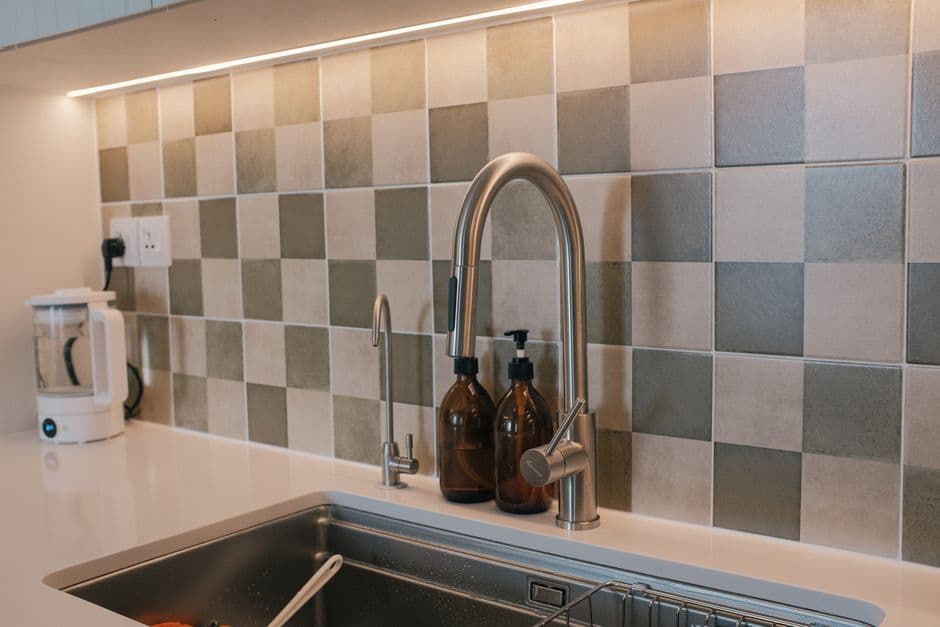
Under-sink reverse osmosis (RO) units are the Taiwanese standard. Walk into any long-stay apartment and you will almost certainly find one under the kitchen sink. Brands like 3M TWF-5 and Everpure H-300 are sold at Costco Taiwan and most hardware stores for NT$3,000–6,000 (roughly USD 90–185). Filters need replacing every 6–12 months.
For short-stay visitors, simpler options work well:
- Brita pitcher filters, sold at Carrefour, PX Mart, and 7-Eleven (NT$600–900 for a starter kit). Adequate for sediment and chlorine taste, but does not remove heavy metals as thoroughly as RO.
- Portable hollow-fibre filters (Sawyer Squeeze, LifeStraw Peak Series), overkill for Taipei but useful if you are hiking in rural areas where water comes from mountain streams.
- Boiling, kills bacteria and removes chlorine taste. Widely used by locals. Does not remove lead or rust particulates. Taiwanese teahouses and convenience store hot water dispensers (the red tap on every 7-Eleven counter) use this method.
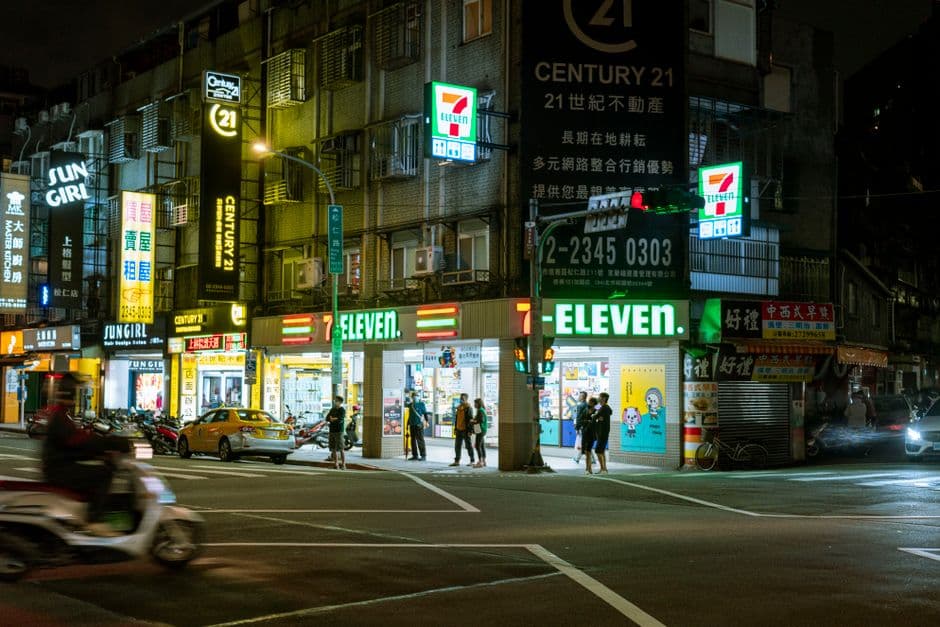
The free hot water tap at 7-Eleven and FamilyMart is a practical local hack: it is boiled, clean enough to brew tea or mix instant noodles, and available 24 hours. Locals refill reusable bottles there routinely.
Bottled Water: Brands and Prices
If you prefer bottled water, the domestic market is well-supplied and cheap:
- Uni-President 統一, NT$15–20 per 600 ml, the most common brand at 7-Eleven.
- Kuang Chuan 光泉, NT$15 for 600 ml, spring-sourced from Nantou County.
- Taiwan Yes 台鹽海洋深層水, mineral water drawn from 662 m ocean depth off Hualien; NT$25–30 for 500 ml, genuinely better taste, popular with locals.
- Imported Evian / Perrier, available at FamilyMart and Wellcome supermarkets at NT$50–90; no safety advantage over domestic brands, just preference.
Single-use plastic is heavily used but awareness is growing. Many Taiwanese carry reusable bottles and refill from coolers at offices, gyms, and convenience stores. Bring a 500 ml or 1 L stainless bottle and you will almost never need to buy plastic.
Practical Summary for Visitors
Daily water strategy
Use the boiled hot water tap at 7-Eleven for tea and cooking. Buy a Brita pitcher for your accommodation if staying more than a few days. Carry a reusable bottle and refill from filtered coolers in MRT stations and public buildings.
- Brushing teeth: tap water is fine.
- Cooking and boiling: tap water is fine once boiled.
- Drinking cold, straight from tap: not recommended in older buildings or without a filter.
- Ice in restaurants: generally safe, most commercial ice is made from filtered or RO water.
- Mountain streams (Taroko, Alishan, Yangmingshan): treat or filter before drinking. Giardia is present in some high-altitude watersheds.
The bottom line: Taiwan is not a country where you need to buy bottled water out of fear. A simple Brita or the ubiquitous 7-Eleven hot tap solves the problem for almost every visitor.
 Water Safety
 Water Safety