 Food
FoodLearn why Korean temple food is usually plant-based, which ingredients are avoided and how to ask about meals in Korea.
Traditional Korean temple food is generally vegan, but “temple food” should not be treated as a guarantee for every dish sold near a temple or labeled vegetarian by a restaurant. Ask what is in the broth, seasoning and side dishes.
Why it is usually vegan
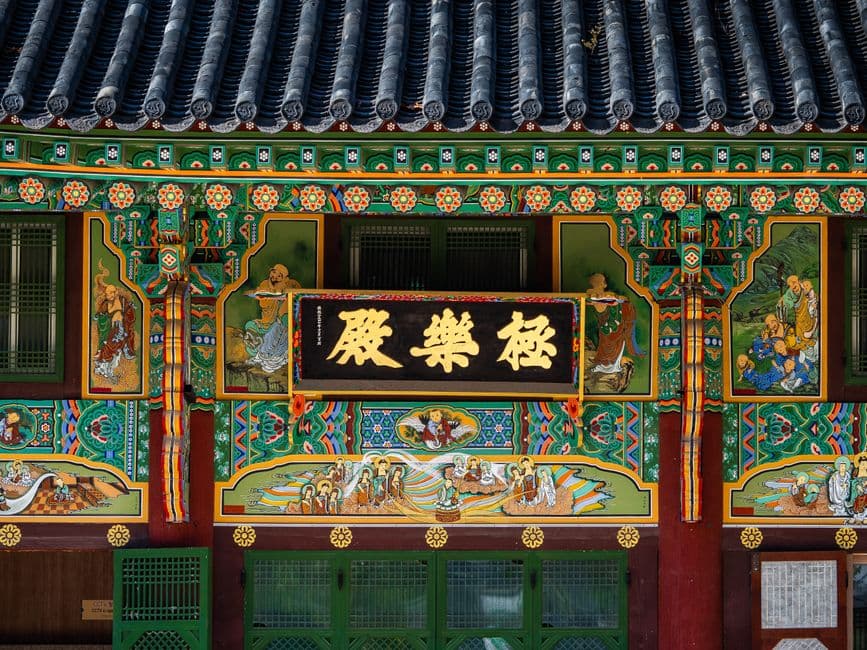
The official Korea.net overview describes temple cuisine as a living part of Korean Buddhist culture. Traditional rules avoid meat, fish and animal-derived stocks. The five pungent vegetables (garlic, green onion, chives, leek and onion) are also commonly excluded in strict temple cuisine because of their role in Buddhist practice.
“Vegan” still needs checking
Recipes and modern restaurants vary. Confirm whether a dish contains fish sauce, shrimp paste, anchovy stock, egg, dairy or honey. Kimchi is a frequent question: some versions use fish sauce or salted seafood, while vegan versions do not. Staff may use “vegetarian” to mean no meat but still include seafood or egg.
Where to try it
The VISITKOREA temple-stay guide explains that temple stays welcome foreign visitors and include monastic activities. The official Temple Food Korea site (koreatemplefood.com) is a useful starting point for classes and information. A temple stay may have fixed meal times and simple dishes, so read the program details before booking.
Useful Korean questions
- 고기 들어가요? (Does it contain meat?)
- 생선이나 멸치 육수 있어요? (Does it use fish or anchovy stock?)
- 완전 채식이에요? (Is it fully vegan?)
- 계란이나 우유 들어가요? (Does it contain egg or milk?)
If you have an allergy, show a translated card and carry a backup snack. A food described as temple-style outside a Buddhist setting may not follow strict temple rules.
Bottom line
Korean temple food is an excellent option for vegan travelers, but verify each meal and ingredient. “Temple food,” “vegetarian” and “vegan” are related terms, not interchangeable guarantees.