 Official Papers Local Id Laws
Japan law requires foreigners to carry their passport at all times. Here's what police can do if you don't, and how to handle a stop.
You Must Carry Your Passport
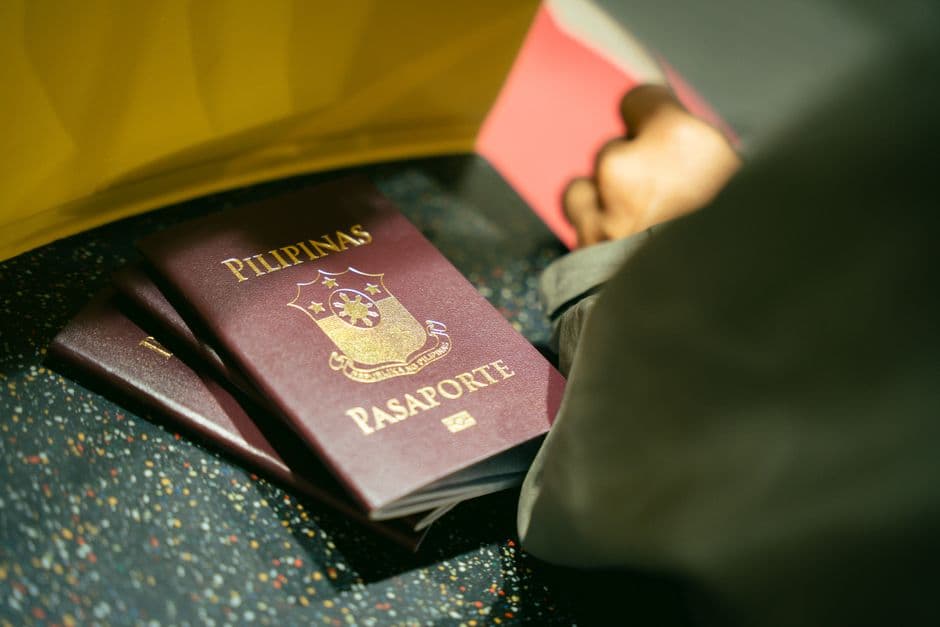
Under Article 23 of the Immigration Control Act, foreign nationals must carry their passport at all times. A certified photocopy is not legally sufficient: police can request the original.
Most tourists carry their passport to the airport, lock it in the hotel safe, and never think about it again. In Japan, that habit is a legal violation from the moment you leave your room.
The Law, in Plain Terms
Article 23 of Japan's Immigration Control and Refugee Recognition Act (出入国管理及び難民認定法) requires every foreign national to carry their landing-stamped passport on their person at all times. This is not a guideline or a courtesy request. It is a statutory obligation that applies equally to tourists on a 90-day visa waiver and to long-term residents holding a residence card.
Residence card holders (在留カード, zairyū kādo) are the one exception: once issued, your residence card satisfies the carry requirement in place of the passport itself. Short-stay tourists do not have this alternative.
What Happens if Police Stop You
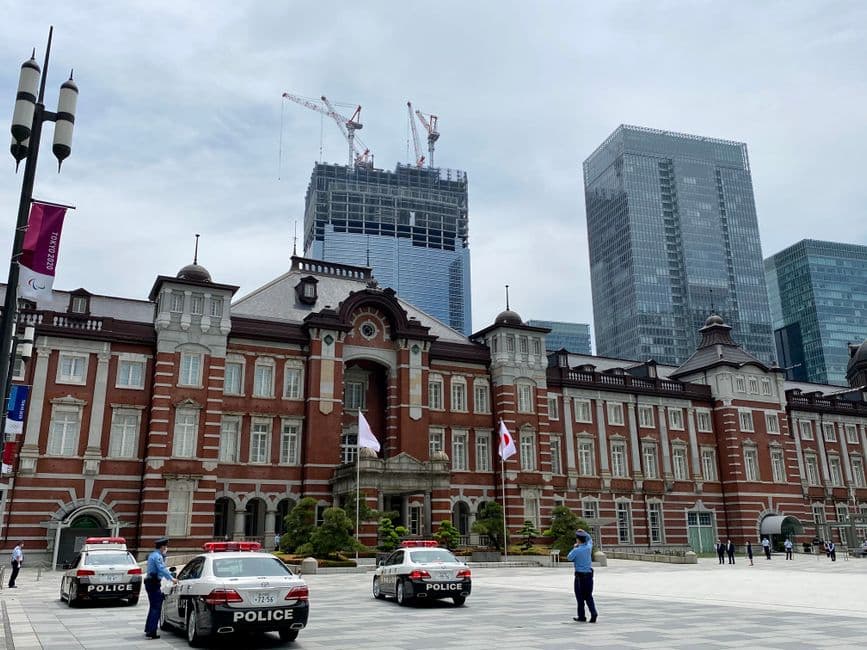
Japanese police (keisatsu) have the authority to conduct a 職務質問 (shokumu shitsumon), a voluntary identity inquiry. In practice, refusing to cooperate can escalate the encounter, and without your passport you have no document to present.
The sequence typically goes like this:
- Officer asks for identification. You show your passport. Without it, you have nothing legally valid to offer.
- Officer may detain you temporarily at the nearest koban (police box) while your identity is verified. This is not an arrest, but you are not free to leave until the check is complete.
- Immigration Bureau notification. If the officer determines you have violated Article 23, the incident can be referred to the Immigration Services Agency of Japan (出入国在留管理庁). This is more likely if you are also found to be in some other irregularity.
- Fine or formal warning. A first-time violation by a tourist typically results in a warning. The theoretical maximum penalty under Article 76 is up to 100,000 yen for failing to carry your passport under Article 23; the much harsher penalties (up to 3,000,000 yen or imprisonment under Article 70) are reserved for serious immigration offences like illegal entry or overstaying, not a missing passport during a routine check.
Stops targeting tourists specifically are rare. Police are more likely to approach someone who appears lost or confused, or in the context of a neighbourhood patrol near entertainment districts late at night. That said, the law does not care about probability.
What to Actually Do
Carry your original passport. There is no workaround that is legally equivalent. Hotels will sometimes tell you to leave it at the front desk for registration, comply with registration requirements by allowing them to copy it, then take it back.
If your passport is genuinely unavailable because it has been submitted to a Japanese embassy or the Immigration Bureau for a visa extension, carry the receipt slip (申請受理通知書) you were given. This documents that the original is in official custody and is universally accepted by police in that circumstance.
- Legal basis
- Article 23, Immigration Control Act
- Who it applies to
- All foreign nationals on short stays
- Accepted alternatives
- Residence card (zairyu kado) for long-term residents only
- Photocopy status
- Not legally sufficient
- Penalty range
- Warning to up to 100,000 yen (Article 76)
The Safe Carry Habit
A passport stored in a zippered inner jacket pocket or a slim RFID-blocking neck wallet is both secure and accessible. Japan is an exceptionally low-theft country, so the risk of carrying your passport is low. The risk of leaving it behind is a legal grey zone every time you step outside.
Document a Copy Separately
Photograph both the photo page and your entry stamp and store the image in your phone's offline gallery. This does not replace the original for police purposes, but it allows you to report a lost passport to your embassy and the nearest koban far more quickly.
Keep the original with you. The law is clear, enforcement is real, and the inconvenience of carrying your passport is trivial compared to an afternoon at a police box while your hotel is called.

 Official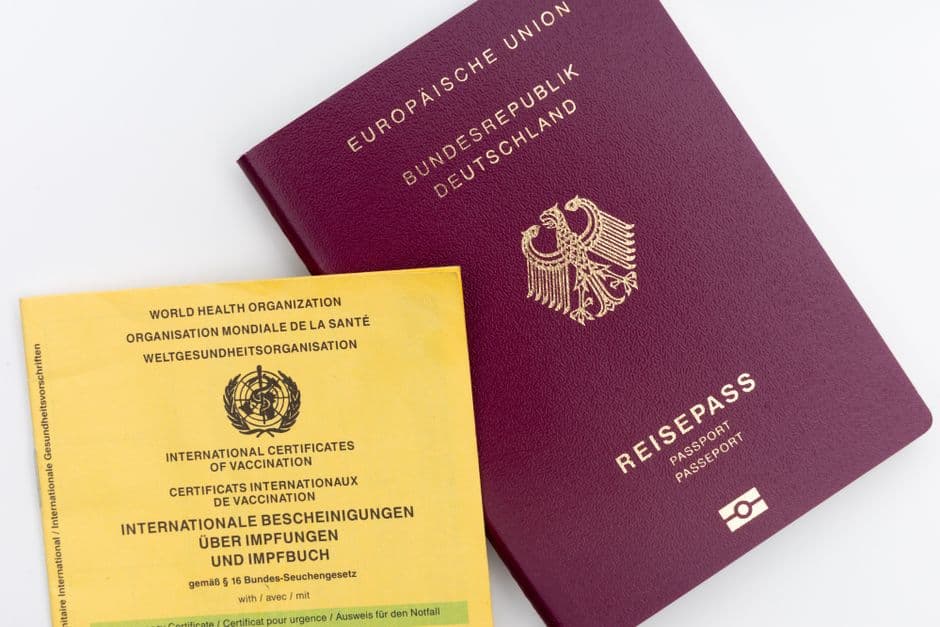
 Official